
" We don't sell the wine without touching the vine "
| BUY MORE! SAVE MORE! | ||||||||||||||||||||
|
| Country: | United States |
| Regions: | California California (Sonoma County) |
| Winery: | Peter Michael |
| Grape Type: | Chardonnay |
| Organic: | Yes |
| Vintage: | 2023 |
| Bottle Size: | 750 ml |
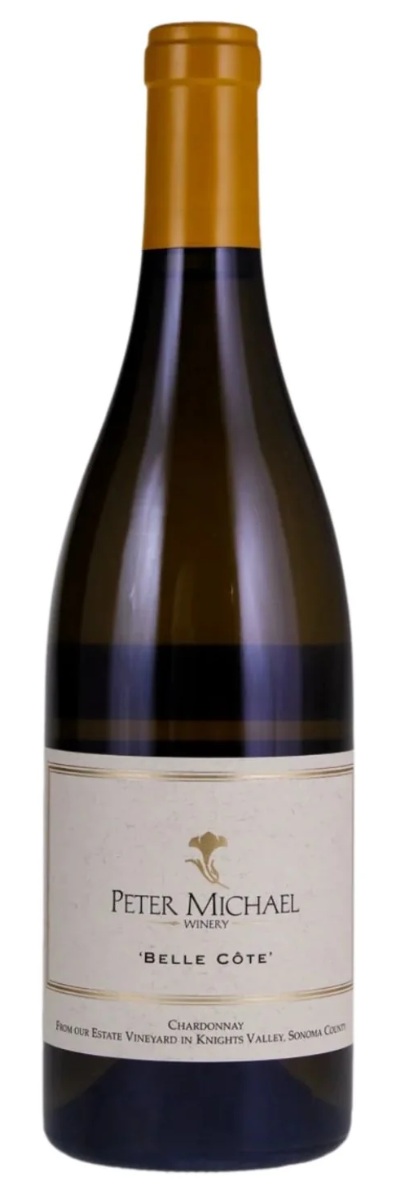
'Belle Côte', French for “Beautiful Slope”, was named by Sir Peter after the famous ski run in Courchevel, France. The oldest of the four Knights Valley Estate Chardonnay vineyards, ‘Belle Côte’ consistently exemplifies the potential of crafting exceptionally high-quality Chardonnay from our mountain vineyards. Planted at 1,700 to 1,800 feet (518 to 549 meters), Belle Côte has a southeastern exposure and a western border of native trees, which shelter the vines from the hot afternoon sun. These unique attributes create a naturally cool microclimate that provides an extended growing period and slow-ripening fruit, resulting in a later picking schedule that often continues into October (two to three weeks longer than most Chardonnay vineyards in Napa and Sonoma Counties).
The combination of a wet winter with significant rains in December through March and cool weather delayed budbreak nearly a month. Flowering and fruit set were also pushed back and the weather during the later flowering was favorable resulting in decent fruit set and slightly above average yields for the Chardonnay vineyards—a marked improvement over the record-low yielding 2022 vintage. The growing season was temperate without major heat spikes allowing the berries to hold onto their acidity which carried through into the wines. Harvest was almost a month later than normal with the last Belle Côte block coming in on November 2nd.
As the oldest of the four Peter Michael Winery estate Chardonnay blocks, 'Belle Côte' exemplifies the consistent quality of Chardonnay these mountain vineyards produce. Due to the naturally cool climate of the site’s high elevation, and mitigated exposure to the hot afternoon sun by its southeastern exposure and a stand of trees on its western border, the vines are allowed to slowly ripen. The growing season for Belle Côte typically extends into October, two to three weeks longer than most Chardonnay vineyards in Napa and Sonoma Counties.
With highly expressive aromatics of orange blossom, jasmine, candied orange peel, and rose petal, the 2023 'Belle Côte' showcases its unique terroir and thirty-three-year-old vines with a rich, creamy entry, dense, broad, juicy mid-palate and a lengthy, refined finish. There is a seamless quality to this wine that matches power, gras, and intensity with structure and weightlessness. The 2023 'Belle Côte' can be enjoyed in its youth or after many years of cellaring.
Review:
This extraordinary estate-grown wine from a great vintage is super vibrant, energized and tangy, with vital acidity supporting luscious ripe pear and apple flavors on a silky texture. Can't think of anything it lacks. Seamless, layered, yet structured and fresh, boding well for longer-term aging. It has a melts-in-the-mouth quality and an extra long finish. Drinkable now and best from 2030.
-James Suckling 100 Points
Upon discovery of the Knights Valley Ranch in 1982, Sir Peter Michael pledged his 100×100 vision for the ranch and winery to remain under family stewardship for 100 years.
Once referred to as Sugar Loaf Ranch spanning just over 600 acres, today the Knights Valley Ranch encompasses nearly 750 acres (304 hectares), inclusive of vineyards on the hillsides of Mount St Helena at elevations reaching 2,000 ft. (609 meters), meandering down through forests to the valley floor where the winery, gardens and olive orchards reside.
Sir Peter and Lady Michael embraced the land as their home away from home, creating a sanctuary for generations to come. Today, their son Paul, and his wife Emily, continue the vision. And with each generation, the commitment and passion deepens.
Peter Michael is an engineer by training, an entrepreneur by daring, and a vintner by adventurous intent. Born in 1938, Peter grew up in Croydon, in South London, not far from Charing Cross. Following meeting Maggie at a ballroom dance class and later marrying, he founded a variety of businesses, ranging from technology to broadcasting, culminating in the establishment of his eponymously named winery in 1987. In 1989, Peter Michael was knighted Sir Peter Michael by Queen Elizabeth II of England.
The 2022 Jayson Chardonnay achieves a beautiful equilibrium of richness, buoyancy, and intricacy. Aromas of sweet Meyer lemon, crushedalmond, and grilled pineapple lead to a concentrated palate of bright lemon curd and orange blossom honey underscored by fresh pear andtoasted nuttiness with a hint of baking spice. The texture is classic Pahlmeyer, plush and detailed, while the presence of bright Carneros fruitbrings energy and litheness. Flavors are lifted and extended on a spine of bright acidity, the lingering finish striking an ideal balance betweenopulence and mouthwatering freshness.
Review:
This generous, buttery and spicy wine is sourced from several parts of Napa Valley and brings gorgeous richness to the nose, palate and finish. Elements of brown butter, marzipan, toasted almonds and poached pears flood the flavors, with vanilla bean and a touch of sweet coconut. Barrel fermented in 36% new French oak, it’s full-bodied and nicely viscous in texture.
James Suckling 93 Points
Roland Champion Champagne Brut Rose Grand Cru NV is the blend of 33% Chardonnay, 33% Pinot Meunier and 33% Pinot Noir.
The Champagne rose shows an orange salmon color coming from the red wine base. The pinot meunier brings red fruit aromas of strawberry and raspberry with hints of spices. The palate is juicy and harmonious with good depth and minerality. A delicate balance between Chardonnay, Pinot Meunier and Pinot Noir.
It is a blend of 93% White juice (made from 33% Chardonnay, 33% Pinot Meunier and 33% Pinot Noir) and 7% Pinot Noir red wine. The grapes used to produce the Coteaux Champenois red wine are coming from their vineyards near the Village of Verneuil.
Aromatically the wine lifts from the glass with a combination of perfectly ripened red and black fruits, with a graphite smokiness and a hint of mulling spices. On the palate, their is a youthful tannic structure and a floral flavors alongside the fruity notes.
Spicy cologne lifts from the 2021 Pinot Noir Paul Gerrie Vineyard, with both high-toned and darker notes of sage, menthol, bergamot, and cranberry cocktail. Medium to full-bodied, it’s tightly coiled, with tremendous length, gripping ripe tannins, a bright spine of acidity, and mouthwatering salinity that lasts long on the finish. It offers up great mineral texture and will need 3-5 more years in bottle.
- Jeb Dunnuck 96 Points
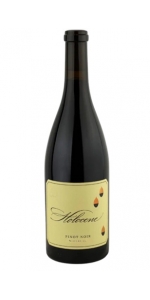
Holocene Sidereal Pinot Noir is made from 100 percent Pinot Noir.
The word sidereal means relating to the stars, particularly when measuring time or astronomical events. Which is weird for an earthly delight of a wine that makes time stand still while you attempt to decipher a vast array of aromas ranging from blackcap raspberries and cherry blossoms to wet slate and moon dust. Blackberries rule on the palate, with Assam tea, bay leaf and black pepper flavors easing along a lithe and nimble mouthfeel. Sidereal is also balance personified
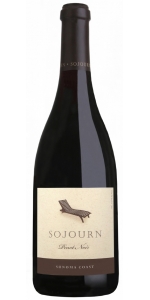
Gap's Crown Vineyard has become one of the most iconic Pinot noir vineyards in the Sonoma Coast. It was originally developed by Premier Pacific Vineyards between 2002 and 2005 and later purchased by Price Family Vineyards in 2013. In 2007, Sojourn Cellars became one of the best to make a vineyard-designate wine from Gap's Crown. Our clone 115 block, planted in 2005 on 3309 root stock at 800 feet elevation, has been the foundation for Sojourn since we began making Pinot noir from this vineyard. Our clone 828 block was planted in 2002 on 420A root stock, and two clone 667 blocks round out the blend, both planted in 2004 on 3309 root stock. This hillside vineyard is situated on the western slope of Sonoma Mountain and is cooled by the persistent wind and fog of the Petaluma Gap.
WINEMAKER NOTES: The 2021 growing season offered optimal conditions in the Sonoma Coast to harvest grapes of exceptional quality. The air remained clear with no res in Sonoma and pandemic lock downs ended. Our spirits were lifted and the grape harvest and wine quality benefited. . Brief heat waves in August and September ripened the grapes to ideal maturity as the weather stayed dry until major rains arrived October 22, after our grapes were harvested. Yields were lower than average in 2021, with small berries and loose clusters creating wines of increased depth and concentration. In 2021 we blended destemmed clone 115 and clone 667, while fermenting all the clone 828 100% whole-cluster. The resulting wine, our 15th vintage of Pinot noir from Gap’s Crown Vineyard, offers complex layers of elegant fruit flavors with a bold strength at its core.
Review:
Like a majority of the Sojourn 2021 Pinot Noirs, the Gap’s Crown is also aged in 50% new French oak but sees approximately 15% whole cluster during fermentation. This Pinot Noir is always one of my favorites coming out of the Sonoma Coast, and the Sojourn 2021 is another beautiful example. A shimmering ruby-garnet core with a blueish rim in the glass, it assembles bountiful notes of dark cherry compote, fresh black raspberry, spiced blue plum skin, brown mushroom, salty sea breeze, liquid chocolate, and hints of dried lemongrass. Complex, engaging, and downright delicious, this should be a wine that everyone should seek out to try. 1025 cases were produced. Better in 2023 and then enjoy for the next 12–15 years. Highly recommended and editor’s choice.
- International Wine Report 97 Points
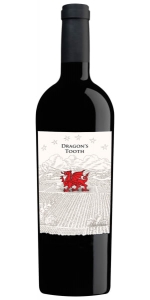
Trefethen Family Vineyards Dragon's Tooth Red is made from 49% Malbec 37% Petit Verdot 14% Cabernet Sauvignon.
Our Nana, Catherine Trefethen, was Welsh. Her twin loves of wine and family were the original inspiration for our estate in Napa Valley’s Oak Knoll District. Celebrating our heritage, “Y Ddraig Goch”, the symbol of Wales, adorns this bottle of Dragon’s Tooth, a provocative blend born from the rockiest part of our vineyard.
This wine opens with expressive aromas of cherry and blackberry accented with notes of fig, tobacco leaf, and sarsaparilla. Full-bodied and balanced, the integrated flavors of ripe dark fruit lead to a lush and abundant finish.
Winery Chef Chris Kennedy enjoys Dragon‘s Tooth with earthy and rich cuisine. He suggests pairing it with our Creamy Mushroom Pasta. The complementary flavors, textures, and intensity of both the dish and the wine are stunning.
Review:
“Intrepid aromas of richly peppered blue and black fruit with a sheen of minty refreshment. Structured, polished and densely textured, with indulgent tannins and a penetrating bead of fine acidity. Built for the long haul.”
-2024 Decanter World Wine Awards 97 Points
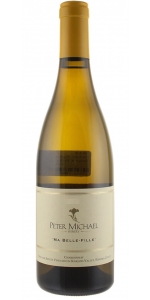
'Ma Belle-Fille' was named by Sir Peter as a warm tribute to Emily Michael, his "Daughter-in-Law", and mother of the third generation of the family. Planted at the highest elevation on the estate, the marine influence on Ma Belle-Fille vineyard is greater, resulting in cooler daily temperatures in the summer and autumn months. Situated above the summer fog ceiling and exposed to the southeast, the vineyard receives the very first rays of sunshine each morning and remains sunny all day long. This full exposure, combined with cooler temperatures, causes the fruit to mature earlier than the rest of our estate.
Vintage Notes
The combination of a wet winter with significant rains in December through March and cool weather delayed budbreak nearly a month. Flowering and fruit set were also pushed back and the weather during the later flowering was favorable resulting in decent fruit set and slightly above average yields for the Chardonnay vineyards—a marked improvement over the record-low yielding 2022 vintage. The growing season was temperate without major heat spikes allowing the berries to hold onto their acidity which carried through into the wines. Harvest was almost a month later than normal with the last Belle Cote block coming in on November 2nd.
At the highest elevation on the estate, the marine influence on Ma Belle-Fille is greater, resulting in cooler daily temperatures in the summer and autumn months. Situated far above the summer fog ceiling and exposed to the southeast, the vineyard receives the very first rays of sunshine each morning and remains sunny all day long. This full exposure, combined with cooler temperatures, causes the fruit to mature earlier than the rest of our estate.
Beautifully perfumed with layers of honeysuckle, jasmine and dried orange peel accented by apricot, vanilla cream and spring flower notes, the 2023 ‘Ma Belle-Fille’ delivers with a rich, creamy entry and generous, structured mid-palate showing great drive and intensity with a long, mouth-watering finish. A truly special wine from an extraordinary vintage.
Review:
So delicious and drinkable from the first whiff to the lingering finish. An uber-chardonnay that packs in all the richness of fruit and smooth spiciness of oak fermentation, with vibrant acidity and a silky texture. Well balanced in a cool, ideal vintage and a great candidate for aging longer term. Drinkable now and best from 2030.
James Suckling 99 Points
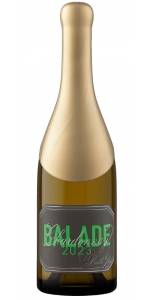
The word "Balade" is French for wandering. This is a fitting term for our annual exploration of single-vineyard Pinot Noir & Chardonnay blocks on the west coast. Each vintage, we will bottle only the most compelling and nuanced expression of pinot noir from a single selected vineyard and release it as a limited bottling.
Tasting Notes
Beautiful golden hue with enticing aromas of honeyed almond, vanilla custard, ripe pear, and hints of lemon zest. On the palate, lush notes of apricot, crisp green apple, and a touch of toasted hazelnut come forward. This wine has a well-balanced mouthfeel that dances on the palate with bright, lively acidity and subtle minerality, offering a stunning
expression of a coastal driven Chardonnay.
Review:
Creamy, desirous notes of lemon curd bathed in toffee nougat reach a peak as it settles across the mouth thanks to a fine acid structure. Baked pear smooths out on mid-palate, with buttered croissant on the elegant, lengthy finish - The Tasting Panel, May/June 2025
-Tasting Panel 95 Points
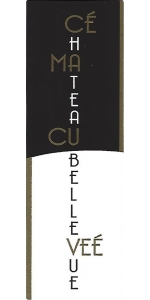
Bellevue Cotes de Bordeaux-Castillon Cé Ma Cuvée is made from 70% Merlot and 30% Cabernet Franc
The wine is made with 70% Merlot and 30% Cabernet Franc. Average age of the vines is 50 years old (everything is between 40 and 60 years old).
Cé Ma Cuvée is a tribute from Michel Lydoire to his 2 daughters:
Cé is for Céline. She is like the Merlot grape varietal. Pleasant and calm.
Ma is for Marina. She is like the Cabernet Franc grape varietal. Tough and with a lot of character.
The color is deep and inky.
The nose is spicy, fruity and oaky with some nice vanilla and coconut aromas.
The mouthfeel is complex, with ripe red and black fruit flavors. Some spiciness and integrated oak flavors.
The wine starts as the Vieilles vignes, but some wine is aged in 500-liter American Oak Barrels for 18 months.
They are using a mix of different toastiness for the barrels. Some high toast and some are medium toast.
This is a fun wine that can be enjoyed with any food, charbroil burgers, grilled vegetables, cheeses ... or even with dark chocolate desserts.
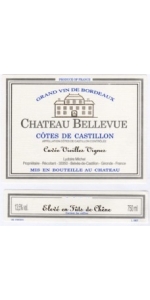
Bellevue Cotes de Bordeaux-Castillon Vieilles Vignes 2020 is 65% Merlot, 35% Cabernet Franc.
Average age of the vines is 40 years old.
The wine offers a rich and intense bouquet of blackcurrant, blackberry and strawberry.
It is smooth and full in the mouth with a velvety texture. Acidity combined with firm but well-integrated tannins are a fine supporting cast to the black fruit flavors at the end.
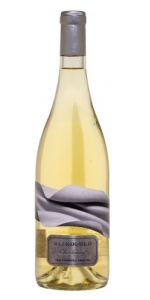
The Prisoner Wine Co. Blindfold Chardonnay is made from 100 percent Chardonnay.
Blindfold Chardonnay is gorgeously balanced and a true triumph. Fragrant with notes of lime zest, yuzu, jasmine, and a slight minerality, Bright on the palate with juicy green citrus, lychee, green apple and toasted hazelnut. You’ll find both freshness and soft texture from its time in oak. The finish is long and indulgent–let yourself sink into this luxurious pour.
All of the fruit was hand-picked and whole cluster pressed. Barrel fermentation took place in 100% French oak barrels, and 23% New barrels that were selected by forest or grain tightness to frame our fruit profile, bring texture, and soften acidity. Lots were tasted every other week while we stirred the lees to precisely soften the mouthfeel and achieve optimal balance. With fermentation, and subsequent elevage taking place over 11 months we have achieved this goal.
Chardonnay grapes were harvested as flavors of lime zest and green apple started to develop and before acid started to ripen away. Picking decisions were made based on acidity rather than sugar level (Brix). We want to showcase the vineyard sites and growing region in perfect balance.
The word "Balade" is French for wandering. This is a fitting term for our annual exploration of single-vineyard Pinot Noir & Chardonnay blocks on the west coast. Each vintage, we will bottle only the most compelling and nuanced expression of pinot noir from a single selected vineyard and release it as a limited bottling.
Tasting Notes
Beautiful golden hue with enticing aromas of honeyed almond, vanilla custard, ripe pear, and hints of lemon zest. On the palate, lush notes of apricot, crisp green apple, and a touch of toasted hazelnut come forward. This wine has a well-balanced mouthfeel that dances on the palate with bright, lively acidity and subtle minerality, offering a stunning
expression of a coastal driven Chardonnay.
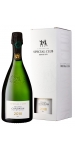
The Special Club concept started in 1971. A dozen wine growers from some old families of Champagne had an idea to familiarize people with the originality of the “Champagne de Vigneron” (Champagne of wine grower), thanks to prestigious vintages.
In the beginning, they created an association called the “Club des Viticulteurs Champenois” and chose a bottle with a special shape, created exclusively for them & used only by then. In 1988, they changed the bottle and the label. In 1999, the Club changed its name to “Club Trésor of Champagne.”
The Club Trésors comprises 28 artisan wine makers, selected from the finest areas of the Champagne region, each one recognized for the quality of their work. The Club Trésors is the only organization in Champagne to select its members according to a set of unrelenting quality standards:
Roland Champion's Special Club selection has rich and structured aromas. Very pleasant and generous roundness, nice length in mouth. Golden color with buttery and fruity aromas. All the expression of a magnificent terroir for your most pleasurable moments.
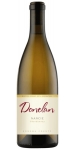
Named after Joe Donelan’s mother, the Nancie Chardonnay is our take on cool-climate, timeless Chardonnay. We love the way Nancie captures the classic qualities of Chardonnay while also exhibiting the unique traits of the unusual sites we source from. This Chardonnay is an emphasis on Old Vines, dry farming, and California heritage clones and selections. Every vintage embodies elegance and class, but no vintage is the same. The assemblage changes every year, so Nancie does not have a recipe. This wine lets us sit shotgun while the cool climate and the terroir do all the navigating, and they never steer us wrong. It is truly an inimitable wine made from a blend of incredible fruit we farm throughout Sonoma County, from the Coast to the Sonoma/Napa border.
On the nose, the Nancie Chardonnay opens with nutmeg, ginger snap, and chai spice leading to high-tone fruit like red apple skin, orange blossom, orchard fruit, and green pineapple. Judicious acidity makes this a great candidate for pairing with food. It’s very fresh on the palate, engaging, and invigorating, and it has quite a finish for Chardonnay. This is a stand-out wine among its peers, with one foot in California, and one foot in the old world.
Nutmeg, ginger snap, chai spice, orange blossom, and red apple skin on the nose. Salinity, minerality, and wonderful acidity on the palate.
Review:
"Named after proprietor Joe Donelan’s mother, the Nancie Chardonnay is crafted from a blend of exceptional vineyard sites across Sonoma. Key sources include Farina Vineyard on Sonoma Mountain, the 45-year-old vines at Lazy W Ranch in the Russian River Valley, along with fruit from Allen Family Ranch and Dehlinger–Garbro Ranch. Winemaker David Milner notes that sites offering mineral tension and naturally high acidity are essential to shaping the blend. The wine is aged for 10 months in 24% new oak. In 2023, the aromatics are superb, with a freshness factor that feels almost unparalleled. Citrus notes and hints of underripe pineapple mingle with ginger spice, flinty minerality and a distinct sea-salt character. Medium-bodied and beautifully precise, the palate is driven by crystalline acidity and candied citrus peel fruit dusted with saline nuance. Citrus, orchard and stone fruit notes build toward an incredibly long, lingering finish, touched by subtle toffee spice. Distinctly saline, complex and expressive, this is a Chardonnay of clarity, energy and sheer deliciousness. - Jonathan CRISTALDI"
Decanter, 96 points



