
" We don't sell the wine without touching the vine "
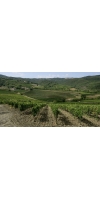
"Pinino" is the historical name of the winery that was founded in 1874 and was one of the first companies to be inscribed to Consorzio del Vino Brunello
Andrea has Italian ancestors and is both a business-consultant and entrepreneur in Italy, Austria and Switzerland with a former focus in the fashion industry.
Max Hernandez is a descendant of a winemaking family in Spain. His father used to produce wine in the area of Toro ODC. So, for Max this business represents a return to his roots after great achievements in the fashion world. Silvia, his wife, born from a famous family of Spanish actors, has the sensory talent and the theorical and practical know-how to create the Pinino wines together with the well-known oenologist Dr. Paolo Vagaggini.
The winery is located to the north of Montalcino, embedded like a natural amphitheater into the beautiful hillside of Montosoli. This unique geography has made the region a favorite destination for the wealthy of Montalcino in the 18th century.
The vineyards spread over 16.5 hectares (41 acres) planted to 100% Sangiovese.
4 hectares are located on the Pinino estate with a southern exposure and galestro soil. The remaining land is located on the Canchi estate with a southeastern exposure and soils consisting of a mix of clay and limestone.
The requirements for the vinification of Pinino wines is based on the primary product - the grapes. Pinino's philosophy is to achieve high quality through reduction of the harvest per grape vine by clipping shoots and grape selection. The grapes are picked by hand and transported only in small crates to avoid squashing. In the cellar, traditional methods are supported with modern technology and the use of new fermentation tanks.
No products found
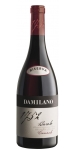
“1752” is the name of the Damilano Barolo Cannubi Riserva, in honor of the year in which the historic bottle was first marked “Cannubi”. It still exists today perfectly conserved by the Manzone family in Bra, close to Barolo. The bottle is clearly marked as being of “1752” vintage, indicating that Cannubi historically precedes Barolo.
About the Vineyard:
The Cannubi Cru is in found within one of the 6 core zones which comprise a UNESCO heritage site in Italy. A mixture of Tortonian and Helvetian calcareous marl gives the grapes intense aromas of cherry, plum and tobacco, rose and violet in sequence. Its low potassium and high calcium/magnesium content offer the wine a fine and polished touch. The vineyard is located at about 270 m. a.s.l. and has a south-east sun exposure. Barolo Riserva Cannubi 1752 It is a small plot of about 2 hectares of Nebbiolo vines, currently between 30 and 50 years of age.
Tasting Notes:
Garnet ruby red in color, the bouquet is intense and balanced, with notes of violet, red fruit, cherry and plum, spices, liquorice, cocoa, leather and tobacco. Dry, robust, full-bodied, very persistent, rich and velvety
Food Pairing:
This wine is excellent with typical piedmontes pasta (tajarin, ravioli); perfect with red meat, braised and roast meat, game and absolutely ideal with all types of cheeses.
Review:
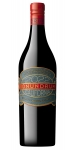
Sourced from premier California winegrowing regions, Conundrum Red features dark red varietals including Zinfandel, Petite Sirah and Cabernet Sauvignon. It is serious yet lighthearted, complex and approachable. With lavish fruit flavors and baking chocolate, this wine has smooth tannins that provide a distinctive, soft character. Be daring and drink slightly chilled to enhance the fruit profile and enjoy any time of year.



