
" We don't sell the wine without touching the vine "
Priest Ranch believes that all wines must stem from the land itself. Winemaker and viticulturist, Craig Becker, draws on our rich, diverse Estate vineyard to bring the Priest Ranch wines to life. Featuring a variety of elevations, exposures, soils and microclimates, our Estate provides fruit uncommon quality and character for Priest Ranch wines.
Priest Ranch embodies the essence of Napa Valley, from the trailblazing mindset of its first pioneers to today's spirit of agricultural excellence and preservation. Inspired by James Joshua Priest, one of the original settlers in the area, Priest Ranch is dedicated to producing estate farmed wines of uncommon quality and character.
We believe that all great wines are a reflection of the land itself. For Priest Ranch wines, Winemaker & Co-founder Craig Becker draws on the diverse vineyards throughout our property for the distinctive and unique characteristics afforded in its fruit through the variety of elevations, exposures, soils, and microclimates.
The original Priest Ranch estate was established in 1869 by James Joshua Priest, a Gold Rush prospector. In 2004, we purchased this historic, 660 acre property and combined it with a 955 acre estate in Elder Valley – together creating our current Somerston Estate.
Today, our 1,615-acre estate is farmed with 230 acres of producing vineyards, in 15 distinct sites, encompassing over 180 different varietal blocks. Located high on the eastern hill of the Vaca Mountains above St. Helena, the estates’ varied range in elevations, exposures, soils, and microclimates allow us to create wines which showcase distinct expressions of its diverse terroir.
At Somerston Estate we employ intentional and leadership-driven viticulture and viniculture practices, borne of the pioneering spirit of our agrarian heritage. We subscribe to the challenge of cultivated excellence, seeking simplicity and preserved integrity at all times.
No products found
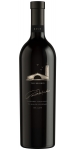
Robert Mondavi The Reserve Cabernet Sauvignon To Kalon Vineyard is made from 94% Cabernet Sauvignon, 3% Cabernet Franc, 3% Petit Verdot.
The story of Robert Mondavi Winery begins here, with the To Kalon Reserve. This tier represents the pinnacle of the wines produced by the winery. The 2021 vintage offers fresh black fruit with dark chocolate, dried herbs, and hints of vanilla and violet. Flavors of black plum and blackberry with red fruit and a hint of graphite on the finish. Elegant and plush with sweet, beautifully integrated tannins and a lengthy finish.
Review:
2021 Robert Mondavi The Reserve To Kalon Vineyard Cabernet Sauvignon is a beautifully crafted wine with impressive intensity, depth, and a balanced structure that carries the day. From the To Kalon Vineyard in Oakville, the portion owned by Constellation, comes this blend of 94% Cabernet Sauvignon, 3% Cabernet Franc, and 3% Petit Verdot. Pure blackberry fruit, cassis, graphite, and violet aromas leap from the glass, nuanced by fragrant, toasty new cedar wood. Full-bodied, framed by an array of plush dark black fruit notes, currants, crème de cassis, and polished tannins that are firm and elongated, with ironstone mineral accents. Dynamic in its length and texture, it is utterly intriguing, with a beckoning quality that lingers after each sip. You want to know precisely where this wine is going—demanding your attention.
- Decanter 98 Points
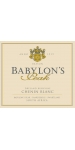
Babylons Peak Chenin Blanc is made from 100 percent Chenin Blanc.
Babylon's Peak winery, situated on the highest weathered granite slopes of the Paardeberg Mountain, is privately owned by the Basson family who has passed down the tradition, passion and art of winemaking over four generations. Predominantly low-yield dryland bushvines are selected to produce these excellent wines with distinctive character.
The Chenin Blanc grapes were picked from very old dryland bushvine vineyards. The vineyard grows on weathered granite soils, contributing to the flavor of the grapes and mineral character of the wine. Production is limited to 5 tons/ha.
The grapes were harvest by hand at 22.1°B. The grapes were destalked and lightly crushed. Only the first 450 litres free-run juice per ton were fermented in stainless steel tanks at a cold temperature (10-12°C) for 21 days. The wines was left on the fermentation lees until bottling.
A crisp, fresh and fruity Chenin Blanc from low-yield dryland bushvines.
Pairs with salads, seafood, chicken and other light dishes. The perfect wine for every occasion.



