
" We don't sell the wine without touching the vine "
I am a new customer.
By creating an account at Timeless Wines you will be able to shop faster, be up to date on an orders status, and keep track of the orders you have previously made.

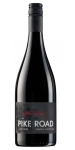
Pike Road Shea Vineyard Pinot Noir is made from 100 percent Pinot Noir.
Tasting Notes
Rich and complex, black cherry, confectionary strawberry and dusty rose waft up from the glass. An expressive palate follows with juicy black cherry and pomegranate alongside notes of tropical mango and coconut in a slightly gamey, smoky finish.
About Shea Vineyard
Shea Vineyard sits in the heart of the Yamhill-Carlton AVA and is farmed by our friends Dick & Deirdre Shea. This is arguably the most famous vineyard for Oregon Pinot Noir because of the many well-known wineries that make a Single Vineyard Shea wine, including our sister brand Elk Cove Vineyards and neighbors Ken Wright, Bergstrom, Penner-Ash and others. It's worth checking out the Shea Vineyard website to learn more about this unique vineyard. Wines from Shea vineyard are earthy with a black cherry kick
Review:
This balanced wine has one of my favorite aromas of all time—the caramel and brioche-like cookie scents of a Stroopwafel cookie. These divine scents are joined by red cherries and chalkboard dust. Raspberry, dark chocolate and espresso flavors are supported by velvety tannins and slightly elevated acidity
- Wine Enthusiast 94 Points
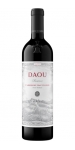
DAOU Vineyards Reserve Cabernet Sauvignon is made from 77% Cabernet Sauvignon, 23% Petit Verdot.
A heady nose delivers fruit-forward aromas of blackberry, raspberry and plum with traces of licorice, thyme, vanilla and cherry. The palate is beautifully balanced, showing layers of black fruit and chocolate-covered blueberry with underlying herbal, cedar and mineral complexity. Exquisitely rounded tannins imbue the finish with stature and length.
Review:
Black plum and roasted walnut aromas meet with woodspice on the nose of this bottling. The palate is tense and firm yet still brighter with blackberry, pepper and nut flavors that cling to the persistent structure. — Matt Kettmann
-Wine Enthusiast 93 Points



