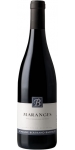
Jonive Chardonnay Russian River Valley is made from 100 percent Chardonnay.
2021 Jonive Russian River Estate Chardonnay: Harvested the night of September 20th with the two clones kept separate. The clone 95 was pressed into tank where it was chilled, settled and racked, then allowed to ferment naturally for 12 days when it then went to barrel. The primary and secondary fermentations lasted in barrel until April 20th, some seven months. The wine remained on its original lees until just prior to bottling. The clone 17/Robert Young chardonnay was pressed into tank and allowed to brown naturally before a natural fermentation occurred. This lasted for 15 days before going to barrel where it finished the last 12 days of primary fermentation and six weeks of secondary fermentation and it too rested on its original lees until just prior to bottling.
The wine has a typical straw color and complex aromas of lemongrass, nutmeg, Meyer lemon and a touch of passionfruit. It has an enveloping mouthfeel that is at once tart and linear as well as rich and expansive, a very unusual and beguiling combination of textures and mouthfeel. The browning of the clone 17 enables the wine to be rich, but at a lower alcohol (13.3%) and the clone 95 contributes beautifully fresh acidity. The pallet shows jasmine, honeydew melon, tarragon and lemongrass with a nice kiss of high-quality French oak. The extended lees contact gives the wine amazing length, energy and vitality.
353 cases produced
Harvested September 20th
14-month barrel aging in 67% new French oak barrels, 20% once used and 13% neutral
61% clone 17/Robert Young and 39% clone 95
13.3% alcohol
Bottled December 14th
Reviews:
A wildly elegant aromatic profile announces this Chardonnay from Jonive's estate vineyards, a combination of two separately fermented clones, 95 and clone 17, also known as Robert Young. The blend is beautiful and effusively aromatic. Lemon cream and white flowers mark the aromatic profile, and the palate, crafted with plenty of lees contact, shows a creamy texture of lemon and orange oils. Savoury notes of sorrel and lemongrass mark the lengthy finish. The new French oak kisses this wine just a touch with a note of Madagascar vanilla on the finish.
-Decanter 94 Points
This seamless, smooth and mouthfilling wine is packed with ripe fruit flavors and deftly accented with oak notes like vanilla, hazelnut and toast. It's rich in texture yet relatively light in body, encouraging flavors that mingle with a subtlety that asks for more sipping.
-Wine Enthusiast 94 Points
Luis Canas Rioja Crianza is made from 95% Tempranillo and 5% Garnacha
A classic style Rioja from one of the regions most enduring family run wineries.. The hillside terraced vineyards are sheltered by the Sierra Cantabria Mountains to the north from harsh weather extremes. Small plot production is utilized in this region of infertile chalky clay soil to produce clusters of excellent quality. Almost 900 plots are needed to complete the approximately 400 hectares of estate-owned or cellar-controlled vineyards, some with vines more than 100 years in age.
Tasting notes
Made from 95% Tempranillo, 5% Garnacha of 30 years of age, the wine shows a ruby red color, a clean nose with nuances of balsamic, plum and cedar. The palate is smooth and velvety, complex and structured, with fruit, spice flavors with toasted oak. A pleasant finish with red fruits and hints of eucalyptus.
The harvest
This year in Rioja Alavesa the weather has been especially cold, the summer short and dry, and there has been plenty of rain in early September. This has produced wines with great aromatic notes, particularly those coming from high altitude areas, very fragrant and with great structure.
Winemaking and aging
Upon entering the bodega and passing the selection table, the grapes are de-stemmed and crushed before undergoing fermentation and then maceration in stainless steel tanks for a total of 8 days, obtaining better color extraction as well as much more complex wines, suitable for prolonged aging. The wine is clarified with vegetable gelatines and follows anicrobic filtration.
It is ideal to pair with meats; red meat, poultry, small game, oily fish, semi-cured cheeses, spicy dishes and hot dishes such as beans or potatoes Rioja style.
After its primary fermentation, the wine is placed in barrels where it undergoes malolactic fermentation and is aged for a minimum of 12 months. It is then bottled for at least another 12 months.