
" We don't sell the wine without touching the vine "
I am a new customer.
By creating an account at Timeless Wines you will be able to shop faster, be up to date on an orders status, and keep track of the orders you have previously made.

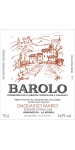
Gagliasso Barolo Riserva Oak Box is made from 100% Nebbiolo
Complex and intense aromas of red fruits intermixed with licorice, prune, leather, smoke and notes of toasty oak and vanilla. Full-bodied on the palate with loads of ripe dried and candied fruits, pepper and mocha.
After malolattic fermentation the wine stays for 10 months in French barrels, 10% new oak and 90% different years; after this period all barrels are blended ( 50% Torriglione and 50% Rocche dell’Annunziata) in old barrels for 48 months again. The wine is bottled and refined for 24 months.
There's a gritty, sandy quality to the tannins that would cut through roast pork stuffed with prunes.
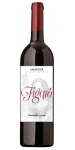
Figaro Tinto Calatayud is 100% Garnacha, made from a selection of the best grapes grown in the oldest vineyards. While not truly an "oaked wine", a short stay in oak barrels provides a nice spicy flavor boost.
Tasting notes: Bright violet. Dark berry and cherry aromas show a jammy aspect. Supple and gently sweet, with good lift to its black raspberry and boysenberry flavors. Smooth and broad on the finish, leaving behind a hint of spiciness. Extremely easy to drink and an excellent value.



