
" We don't sell the wine without touching the vine "
I am a new customer.
By creating an account at Timeless Wines you will be able to shop faster, be up to date on an orders status, and keep track of the orders you have previously made.

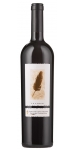
Long Shadows Feather Cabernet Sauvignon is made from 100 percent Washington State Cabernet.
Acclaimed Napa Valley vintner Randy Dunn has a reputation for producing world-class Cabernet Sauvignon. He brings more than four decades of winemaking experience to the Columbia Valley to produce Feather, his only wine made outside of California.
Tasting Notes: Deep crimson colored with pure and expressive Cabernet Sauvignon character. Generous aromas and flavors of dark fruits, violets, coffee and toasted herbs combine with a textured mid-palate to deliver a big, yet focused, wine with polished tannins and persistent finish.
Winemaking: Grapes were hand-harvested at the peak of ripeness, then lightly crushed and fermented in small stainless steel tanks. Once fermentation was underway, the cap was pumped over aggressively to extract color and structure. As fermentation neared completion, pump overs were handled more gently to further extract color and flavors without imparting harsh tannins. The finished wine was aged 22 months in 90% new Vicard French oak barrels (Randy's cooper of choice at Dunn Vineyards as well).
Alcohol: 14.4%
pH: 3.86
TA: 0.58 grams / 100ml
Review:
All Cabernet Sauvignon and a blend put together by Randy Dunn, the 2021 Cabernet Sauvignon Feather is inky purple-hued and offers a brilliant nose of cassis, new leather, graphite, and truffly earth. This rich, spicy, full-bodied Cabernet Sauvignon has terrific purity, a deep, layered mid-palate, and a broad, layered, expansive mouthfeel that keeps you coming back to the glass. Drink this remarkable Washington State Cabernet Sauvignon over the coming two decades.
-Jeb Dunnuck 97 Points
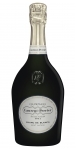
The wine has a white gold color with a fine sparkle. The nose displays minerality and hints of citrus. On the palate the wine is balanced and sustained with a finish that is fresh with notes of lemon.
The Blanc de Blancs is a true wine for gastronomy pairing well with the finest fish: sea bass with salt crust, scallops, grilled marinated squid with lemon, thyme, olive oil as well white meats such as veal tartare with ginger and lemon.
Review:
James Suckling Lots of white flowers with fresh and dried apples plus hints of bread dough. Asian pears. Medium- to full-bodied with density, velvety texture and a very dry finish. Flavorful and slightly bitter with richness, structure and class. 2016 base wine with reserve wine from 2014. Drink or hold.
-James Suckling 95 Points



