
" We don't sell the wine without touching the vine "
I am a new customer.
By creating an account at Timeless Wines you will be able to shop faster, be up to date on an orders status, and keep track of the orders you have previously made.

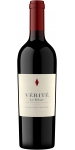
Verite Le Desir Red is made from 83% Cabernet Franc, 8% Merlot, 5% Malbec, 4% Cabernet Sauvignon.
2019 Le Désir has a rich violet hue, ringed by a slender rim of incandescent purple-ruby color. Beautifully characteristic of Cabernet Franc, the aromatics of this wine are expressive and exotic, showing fresh rose petal perfume, fresh cherry blossom, California bay laurel, crushed pomegranate, blackberry coulis, and well-integrated French oak aromas of ground cinnamon, and brown buttered toast. On the palate, a robust structure defined by powdery tannins and lively acidity delivers a very fine balance, with an exceptionally long finish.
Review:
Sublime cabernet franc aromas of currants, flowers and citrus. Full-bodied with incredible purity of fruit and length. You don’t feel the tannins, but they are there. The acidity gives you dynamic reality and perfect length. A truly great wine. 83% cabernet franc, 8% merlot, 5% malbec, and 4% cabernet sauvignon. Best from 2026.
-James Suckling 100 Points
The 2019 Le Désir is just as stunning as the first time I tasted it from bottle. It's pure and layered, with alluring scents of Morello cherries, dried mushrooms, cigars, sage and aniseed wafting from the glass. The palate strikes a fine balance of concentrated fruit, loads of powdery tannins, and energetic bursts of fresh acidity. It has a deep core of concentrated, perfumed fruit with the first faint touches of umami character and a long finish driven by floral and iron tones. I can't get enough of this wine!
Robert Parker's Wine Advocate 100 Points
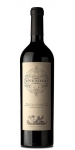
Enemigo El Enemigo Gran Enemigo is made from Cabernet Franc.
Gran Enemigo Agrelo is intense, balanced, and elegant. Cabernet Franc brings light notes of eucalyptus and thyme, Malbec provides ripe black fruits, and oak provides a touch of chocolate and vanilla. Certified Sustainable by Bodegas de Argentina.
Gran Enemigo Agrelo pairs beautifully with steak, veal, and roasted game birds such as chicken, turkey, and duck.
Reviews:
The 2019 Gran Enemigo Agrelo Single Vineyard shows the completeness of the vintage, a year with good yields and a cooler winter and summer. The result is a very balanced wine with full development of aromas and flavors, moderate ripeness and good freshness and balance. It has a fine texture, some chalky sensations and a dry finish, despite the fact that the soils have no limestone. The vines here are over 40 years of age.
-Robert Parker's Wine Advocate 97 Points
#73 Wine Spectator Top 100 of 2023
The 2019 Cabernet Franc Gran Enemigo Single Vineyard Agrelo also includes 15% Malbec from the clayish soils of Luján de Cuyo. Aged for 15 months in foudres, this purplish wine reveals enticing cigar ash notes alongside blueberry and plum aromas, with a subtle cedar backdrop. Dry, rich and plush on the palate, it quickly tightens due to its fine-grained, reactive, clay-like tannins. This long-lasting red lingers on the ashy notes, beautifully layered and crafted with a modernist touch in a slightly cool vintage.
- Vinous 97 Points



