
" We don't sell the wine without touching the vine "
I am a new customer.
By creating an account at Timeless Wines you will be able to shop faster, be up to date on an orders status, and keep track of the orders you have previously made.

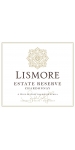
Lismore Chardonnay Reserve made from 100 percent Chardonnay.
A careful selection of the best of the vintage that exemplifies the extraordinary terroir of Lismore. This Reserve Chardonnay shows intense citrus, stone fruit, jasmine and walnut layered with honey and vanilla carried by a distinct minerality and crisp acidity with a lingering citrus finish.
Wine Made in the Soil
The vineyards are planted in decomposed shale over clay at 300 meters in the foothills of the Sonderend Mountain Range. A low mean February temperature lends to an extended ripening period that can put harvest 3-4 weeks later than traditional wine growing regions in South Africa. The intense citrus notes and the lingering finish are consistent trademarks of Lismore's specific terroir. The restrained minerality of the Chardonnay is a clear indication of the cool climate in which it is grown.
Wine of Origin "Greyton" has been designated by SAWIS recognizing the special terroir of this region.
Delightful with warm curries which lift the aromatics or a traditional pairing of smoked salmon highlighting the fresh acidity.
Review:
100% Chardonnay matured in Burgundian oak (33% new) for 11 months. This Reserve Chardonnay shows intense citrus, stone fruit, jasmine and walnut layered with honey and vanilla carried by a distinct minerality and crisp acidity with a lingering citrus finish.
-Karen McNeil 95 points
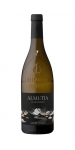
Xavier Vignon Almutia Clair-Obscur Châteauneuf-du-Pape Blanc is 40% Grenache Noir, 25% Mouvedre, 10% Roussane, 10% Grenache gris, 10% Grenache blanc & 5% Syrah.
Worn in the Middle Ages, an Aumuce was a purple cap that served as a cloak for clergymen as a way of concealing their whiteness, just as the black skin of the grape conceals its white juices. In Latin, this cape is called en Almutia. A blend of black and white grape varieties.
Almutia is the definition of vivacity, liveliness, expressed through the pulp of mainly black grape varieties. The multi-vintage approach has been choosen to bring complexity to the wine.
Pale yellow and translucent with tangy notes of apple and pear on the nose. The palate is lively and ample, revealing aromas of citrus and honeysuckle.
The grapes were harvested early, in mid-August, i.e. one month before the harvest intended for the production of red wines.
The grapes are then destemmed and crushed, then placed in vats for draining followed by settling for severals days to sediment the pigments.
Fermentation in stainless steel tanks
No ageing in wood and no stirring of the lees to maintain the perfect level of acidity.
Pairs best with scallop or lobter risotto, soft cheeses & truffle.



