
" We don't sell the wine without touching the vine "
I am a new customer.
By creating an account at Timeless Wines you will be able to shop faster, be up to date on an orders status, and keep track of the orders you have previously made.

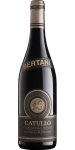
Bertani Valpolicella Ripasso Classico Superiore Catullo is made from 70% Corvina Veronese, 20% Corvinone, 10% Rondinella. Valpolicella Classica, Tenuta Novare Estate in Arbizzano di Negrar.
Wine of medium structure with elegant spicy notes of vanilla and chocolate accompanied by typical notes of cherry, sour cherry and white pepper. The palate offers the easy drinkability typical of Valpolicella and, at the same time, silky tannic structure and intense, prolonged aromatic persistence. The finish is fresh, soft and savory. A wine in the classic style, elegant, balanced, harmonious.
Review:
If I was forced to choose a number of wines that can steer the anachronistic Ripasso category into a brighter future, this would be among a very few. A mid-weighted, streamlined expression with just enough fruit on the bones. Think strawberries, lilacs, Asian plums, cloves and a hint of licorice. A noble, almost alpine bitterness lifts the finish. Brilliant. Drink or hold.
-James Suckling 95 Points

Argot Bastard Tongue Pinot Noir is made from 100 percent Sonoma Pinot Noir.
Inheriting an unbroken string of success, the "Bastard Tongue" arrives fully-formed and ready to impress. Always a blend from multiple Pinot Noir vineyards, this iteration of "BT" was selected from three distinct sites, each making their own unique contribution of Sonoma County terroir to the wine's character.
Exploding forth on a tidal wave of high-toned, intense red and black fruits, this is a Pinot Noir that no stemware can contain. The palate's profound depth is balanced by an inherent freshness, allowing the wine to crackle with brambly energy, while sustained by bass notes of underbrush, black tea, pie spice and baker's chocolate. A formidable rendition of "Bastard Tongue", and a deserving successor to its line.
Night harvested by hand throughout September, cluster and berry sorted by hand, de-stemmed, no crushing. 7-day cold soaks, followed by native fermentation in open-top bins. Average time on the skins, 14 days. Aging 22 months in French oak barriques (95% new). Never racked prior to bottling. Bottled unfined, unfiltered.
Very versatile for pairing. Goes well with grilled meat, vegetable, fish, poultry and cheese.
Review:
"The 2023 'Bastard Tongue' is an utterly delicious Pinot Noir from Argot. It is both vibrant and expressive, with lifted aromas of raspberries, dark cherries and sweet cranberries woven together with notes of lavender, dried violets, baking spices, tea leaf, and mossy notes that remain persistent throughout. On the palate, it reveals a mouthwatering core of juicy red/dark fruit wrapped in supple tannins, with a gorgeous silky texture that speaks to its finesse. What sets this wine apart is its freshness—bright acidity energizes the layers of flavor, giving the wine a lively structure and a clean, extended finish. It's a Pinot Noir that balances depth and elegance with remarkable complexity." - 97 Points, International Wine Report
"Explosive red fruits, cool pine forest, loamy underbrush, five-spice and bakers chocolate. This wine marches down the palate with red-fleshed strawberries, Luxardo cherries and a hint of blood orange. As the finish spins into infinity, the fruit profile evolves from red to black, crescendoing on the palate's persistent lift of sweet and floral spice notes. Magnificent." - 96 Points, Jeb Dunnuck



