
" We don't sell the wine without touching the vine "
I am a new customer.
By creating an account at Timeless Wines you will be able to shop faster, be up to date on an orders status, and keep track of the orders you have previously made.

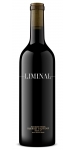
100% single block Cabernet Sauvignon. Aged 20 months in 100% new French oak.
Place
This beautiful block sits on the lower section of the Red Mountain side of the vineyard. Featuring a perfect southwest aspect, it gets the maximum sun exposure for depth and concentration. The land itself is wind-blown loess covering an alluvial floodplain, dotted with indigenous sage.
Winemaker's Notes
Explosively and exotically nuanced aromas of crème de cassis, Himalayan blackberry, black roses, dried violets, pencil shavings, crushed volcanic rock, and liquefied river minerals. While extremely dense and concentrated, this wine has a lot of grace and poise on the palate. The finish of inky deep black fruits, richly refined oak tones, and exotic floral notes, is utterly bewitching. Leave it for 5-7 years if you can or decant well before drinking. This is a 30-year wine in the making.
Review:
Lastly, and a wine that stopped me in my tracks, the 2021 Cabernet Sauvignon Block 47 might be the wine of the vintage. Revealing a dense purple hue as well as incredible aromatics of caramelized red and blue fruits, classy oak, lead pencil shavings, and a Latour-like sense of minerality, it hits the palate with full-bodied richness, building tannins, a stacked mid-palate, and a great, great finish. I love its balance and purity, but I suspect it’s going to demand bottle age.
-Jeb Dunnuck 97-99 Points
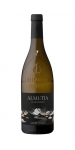
Xavier Vignon Almutia Clair-Obscur Châteauneuf-du-Pape Blanc is 40% Grenache Noir, 25% Mouvedre, 10% Roussane, 10% Grenache gris, 10% Grenache blanc & 5% Syrah.
Worn in the Middle Ages, an Aumuce was a purple cap that served as a cloak for clergymen as a way of concealing their whiteness, just as the black skin of the grape conceals its white juices. In Latin, this cape is called en Almutia. A blend of black and white grape varieties.
Almutia is the definition of vivacity, liveliness, expressed through the pulp of mainly black grape varieties. The multi-vintage approach has been choosen to bring complexity to the wine.
Pale yellow and translucent with tangy notes of apple and pear on the nose. The palate is lively and ample, revealing aromas of citrus and honeysuckle.
The grapes were harvested early, in mid-August, i.e. one month before the harvest intended for the production of red wines.
The grapes are then destemmed and crushed, then placed in vats for draining followed by settling for severals days to sediment the pigments.
Fermentation in stainless steel tanks
No ageing in wood and no stirring of the lees to maintain the perfect level of acidity.
Pairs best with scallop or lobter risotto, soft cheeses & truffle.



