
" We don't sell the wine without touching the vine "
I am a new customer.
By creating an account at Timeless Wines you will be able to shop faster, be up to date on an orders status, and keep track of the orders you have previously made.

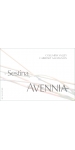
Avennia Sestina Cabernet Sauvignon is made from 77% Cabernet Sauvignon, 17% Merlot, 6% Cabernet Franc.
The story of this wine - The Sestina is an ancient form of poetry from Medieval France. Just as a modern poet can fill this form with new expressions, Avennia uses the traditional Bordeaux blend to express Washington. Sestina is their vision for an old vine, complex blend where all of the components complement each other. This wine is designed for the cellar, so the emphasis is on structure, balance, and complexity.
Winemaker Tasting Notes - “Good deep ruby/garnet color, with aromas of black cherry, fresh black currant, dark mocha, cigar box, and graphite. The palate is lively and dense with mountain berries, mocha, vanilla honey, damp earth, and wildflowers. The finish shows a distinct chalky minerality and beautiful tension. This is a classically balanced and ageworthy Sestina. Drink 2025-2040.” - Chris Peterson, Winemaker
Review:
"The Cabernet Sauvignon-dominated release from Peterson, the 2017 Sestina comes from the Red Willow, Bacchus, and Dionysus vineyards. Rocking levels of crème de cassis, sappy herbs, violets, and cedar pencil all flow to a full-bodied, incredibly pure, polished 2017 that offers flawless balance, ripe tannins, and a great, great finish. It's more approachable than normal yet is still going to evolve for 15 to 20 years. The blend is 77% Cabernet Sauvignon, 17% Merlot, and the rest Cabernet Franc, all raised 20 months in 50% new French oak."
- Jeb Dunnuck (April 2020), 95 pts
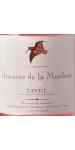
Mordoree Tavel Rose Dame Rousse is made from Grenache 60 %, Cinsault 10%, Syrah 10 %, Mourvèdre 10%, Clairette 5%, and Bourboulenc 5%.
Nose : steady rose, brilliant and limpid.
Aromas : very complex with flowers, red and white fruits aromas.
Palate : rounded, full bodied with a long lasting aniseed and fruity finish.
Ageing potential : 4 to 6 years
Surface : 9 Ha. Yield : 44 Hl./Ha. Vineyard age : 40 years Terroir : Clay / chalk and sandy with pebble stones. Harvest : by hand Vinification : 100% destemming, cold maceration during 48 h., pneumatic pressing, fermentation at 18° C. Estate bottle
Food pairing: cold meat and delicatessen, poultry, white meats, grilled meats, fried fish, fish soup, pastas, pizzas and all Asian cuisine.



