
" We don't sell the wine without touching the vine "
I am a new customer.
By creating an account at Timeless Wines you will be able to shop faster, be up to date on an orders status, and keep track of the orders you have previously made.

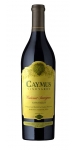
Caymus has a signature style that is dark in color, with rich fruit and ripe, velvety tannins – as approachable in youth as in maturity. We farm Cabernet grapes in eight of Napa’s 16 sub-appellations, with diversification enabling us to make the best possible wine in a given year. This Cabernet offers layered, lush aromas and flavors, including cocoa, cassis and ripe dark berries.
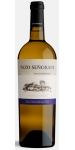
Pazo de Senorans Seleccion de Anada Albarino is made from 100 percent Albarino.
Straw yellow with greenish tints, vivid and brilliant. High intensity and very expressive. Profusion of aromas with traces of mineral. Great volume and ample body leaving a lasting impression from beginning to end.
Reviews:
The 2015 Albariño Selección de Añada is nothing short of phenomenal. For some reason, I hadn't tasted the young 2015 Albariño at the time it was released. It comes from the Los Bancales vineyard planted some 50 years ago and fermented with indigenous yeasts but without malolactic fermentation. It has a bright, almost fluorescent color and a complex, subtle and nuanced, elegant and expressive nose, with notes of sea shells and sea breeze, grass and white flowers. It's very clean, and the palate shows great balance and even feels a bit young. It has remarkable acidity and freshness (seven grams of tartaric acid) with good ripeness and 13% alcohol. This matured in tank with lees for over 30 months and was bottled in June 2024. It feels more serious and less exotic than earlier vintages. 18,000 bottles produced. This is the finest vintage that I can remember. Bravo!
-Wine Advocate 97 Points
Tech:



