
" We don't sell the wine without touching the vine "
I am a new customer.
By creating an account at Timeless Wines you will be able to shop faster, be up to date on an orders status, and keep track of the orders you have previously made.

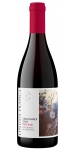
Lingua Franca The Plow Pinot Noir is made from 100 percent Pinot Noir.
A large proportion of fruit from some of our finest sites, 48% coming from Blocks 1 - 3, planted with PN777 clone. Another 44% is sourced from two blocks of the bold PN 115. The elegant and nuanced PN777 Pinot Noir grown on Gelderman-Jory soils creates the top notes of mineral, rose petal and savory elements while the PN115 provides the fruit, body and weight of the wine.
Loin of lamb, Filet Mignon, veal chop, veal scallopini, pasta with Bolognese sauce, charcuterie, hard cheeses, hamburger, Viennese boiled beef (Tafelspitz), Wienerschnitzel, Kalbi, Bulgogi. Teriyaki, Vietnamese shaking beef, Chinese broccoli beef or Feast of the Immortals? Experimentation is welcome!
Review:
The 2022 Pinot Noir Estate saw 20% whole clusters and 20% new oak. A representation of the vineyard, the blend can vary from year to year. The 2022 is a ripe ruby color and opens to notes of spice and ripe raspberries. Medium-bodied, it’s a great appellation wine, with ripe tannins and a great finish. Drink 2024-2036. A few thousand cases were produced.
-Jeb Dunnuck 94 Points
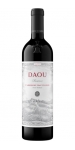
DAOU Vineyards Reserve Cabernet Sauvignon is made from 77% Cabernet Sauvignon, 23% Petit Verdot.
A heady nose delivers fruit-forward aromas of blackberry, raspberry and plum with traces of licorice, thyme, vanilla and cherry. The palate is beautifully balanced, showing layers of black fruit and chocolate-covered blueberry with underlying herbal, cedar and mineral complexity. Exquisitely rounded tannins imbue the finish with stature and length.
Review:
Black plum and roasted walnut aromas meet with woodspice on the nose of this bottling. The palate is tense and firm yet still brighter with blackberry, pepper and nut flavors that cling to the persistent structure. — Matt Kettmann
-Wine Enthusiast 93 Points



