
" We don't sell the wine without touching the vine "
I am a new customer.
By creating an account at Timeless Wines you will be able to shop faster, be up to date on an orders status, and keep track of the orders you have previously made.

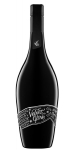
Mollydooker Velvet Glove Shiraz is made from 100 percent Shiraz.
Sticky plum jam and spicy nutmeg aromas are alluringly prominent on the nose, whilst berries and mocha weave
and envelop your entire palate. The finish is incredibly smooth and silky, with elegant fruit flavors that linger in your mouth. An outstanding example of a perfectly balanced Shiraz from McLaren Vale.
Review:
The stunning 2022 ‘The Velvet Glove’ is a stunning wine coming from the Gateway Vineyard in McLaren Vale. Stored in all new American oak barrels before bottling, this delivers a glassstaining purple, with blueberry pie and boysenberry cordial notes alongside tar, anise, Cuban cigar and suggestions of Black Forest cake on the nose. The absolutely gorgeous aromatics bring you back to the glass for more hedonistic pleasure. This is obviously big, bold and heady, but has remarkable freshness and seamless texture. This is very weightless stuff that will have a long life ahead of it. But why wait?
-Owen Bargreen 99 Points

Fullerton Three Otters Rose is made from 60% Pinot Noir, 40% Pinot Gris (7-50 years old)
This Willamee Valley blend hails mainly from three different vineyards in the north, east, and south of the Willamee Valley, with a smaering from five of our other sites. The soils of the vineyards represent the breadth and diversity of the Willamee Valley with both sedimentary- and volcanic-based soils.
Acid: TA 5.6 g/L
pH: 3.45
Aging: 100% stainless steel
Bottled Unfined
Clones: Pommard, Wadensville, Dijon 113, 114, 115, 667, and 777
Winemaker Alex Fullerton and his father and proprietor Eric Fullerton couldn’t decide on a house style for rosé, so they held a friendly competition. They each made a rosé to see whose would win over a crowd. Though the wines were destined to be boled separately, Alex got curious and tried blending the two. Voila! The sum was better than the parts, and a tradition was born. Alex now makes one rosé that is whole cluster pressed and tank fermented, yielding a very crisp and light colored wine, while Eric crafts his rosé from a more robust extraction, which yields a darker and fuller-bodied wine. The two lots are then blended to taste, delivering a crisp, fresh rosé with wonderful structure. The juice spent three weeks on the gross lees prior to fermentation to extract aroma precursers, and then six months on lees post-fermentation.
Pairs with soft cheeses, chicken/turkey.



