
" We don't sell the wine without touching the vine "
I am a new customer.
By creating an account at Timeless Wines you will be able to shop faster, be up to date on an orders status, and keep track of the orders you have previously made.

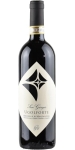
San Giorgio Ugolforte presents a dark core of red and black berry fruit layered with earth, leather, smoke, and herbs. Complex and elegant, the wine is full on the palate and firm in tannin structure. Refreshing acidity frames a graceful finish. Classic Brunello di Montalcino.
This red is marked by cherry, plum, thyme, sage and loam aromas and flavors. Lively and firmly structured, featuring a saline undercurrent. An open-knit version, with nice equilibrium, fine energy and a long, resonant finish.
-Jeb Dunnuck 94 Points
-Wine Spectator 94 Points
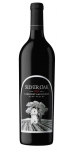
Silver Oak Cellars Napa Valley Cabernet Sauvignon is made from 76.61% Cabernet Sauvignon, 18.13% Merlot, 2.56% Cabernet Franc, 2.32% Petit Verdot, 0.38% Malbec.
Expressive and lively on the nose, the 2019 Silver Oak Napa Valley Cabernet Sauvignon has a black cherry and huckleberry aroma laced with dry floral notes. Integrated oak adds a light note of sweet nutmeg to this wine. Ruby in color, it has a fruit-forward entry with silky tannins that builds across the mid-palate and through a long and balanced finish. Structured while still approachable, this wine remains true to the signature Silver Oak winemaking style and will continue to improve through 2047 given proper cellaring conditions.
Review:
A beautifully compact wine that delivers complex and nuanced aromas of Bing cherry and black raspberry with tobacco, currant leaf, and cedarwood laced with dried sage. Cool raspberry, cherry, and blackberry fruit are perfectly represented, and the lengthy finish is crisp, lively, and energetic.
Decanter 96 Points



