
" We don't sell the wine without touching the vine "
I am a new customer.
By creating an account at Timeless Wines you will be able to shop faster, be up to date on an orders status, and keep track of the orders you have previously made.


Argot Simpatico Ranch Chardonnay is made from 100 percent Chardonnay.
Powerful aromas of key-lime, white flowers, orange blossoms and a fierce, flinty, sauvage note define a wildly complex nose. Once in the mouth, gracefully pronounced textures coat the palate delivering an exotic interpretation of cool-climate Chardonnay character — lime peel, orange blossom, ginger and clove —lingerings deep into a vibrant finish.
Planted 1978. Shallow volcanic soils on the gently-sloped, south-facing foothills of Bennett Peak on Bennett Valley’s floor. One of California’s coolest Chardonnay vineyards. In the final year of 3-year draught cycle, Simpatico Ranch saw its earliest ever harvest and smallest crop, exposing a reserve of exoticism and minerality previously untapped. A watershed vintage for both the vineyard, and appellation. Night harvested by hand on 9/16, whole-cluster pressed direct to barrel; no settling to ensure maximum lees contact. Barrel fermented on heavy lees. Malolactic fermentation. 16 months in French oak, 50% new. Finished 2 months in steel tank, low Sulphur during barrel elevage.
Review:
The 2021 Chardonnay Simpatico Ranch needs a lot of swirling before it shoots from the glass with notes of lemon tart, orange blossoms, candied ginger, and fresh nectarines with hints of crushed rocks, struck flint, and nutmeg. The medium to full-bodied palate delivers amazing tension, with tight-knit citrus and spice layers and a fantastically well woven satiny texture, finishing long and layered. "We only get about 1.5 tons per acre here," said owner/winemaker Justin Harmon. "This comes from old vines on AXR rootstock."
-Wine Independent 97 Points
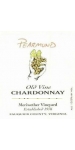
Pearmund Cellars Old Vine Chardonnay is made from 100 percent Chardonnay.
Warm buttery flavor, hint of pear and apple. Full-bodied and lush to the palate. Aged nine months in French oak



