
" We don't sell the wine without touching the vine "
I am a new customer.
By creating an account at Timeless Wines you will be able to shop faster, be up to date on an orders status, and keep track of the orders you have previously made.

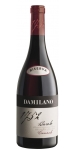
“1752” is the name of the Damilano Barolo Cannubi Riserva, in honor of the year in which the historic bottle was first marked “Cannubi”. It still exists today perfectly conserved by the Manzone family in Bra, close to Barolo. The bottle is clearly marked as being of “1752” vintage, indicating that Cannubi historically precedes Barolo.
About the Vineyard:
The Cannubi Cru is in found within one of the 6 core zones which comprise a UNESCO heritage site in Italy. A mixture of Tortonian and Helvetian calcareous marl gives the grapes intense aromas of cherry, plum and tobacco, rose and violet in sequence. Its low potassium and high calcium/magnesium content offer the wine a fine and polished touch. The vineyard is located at about 270 m. a.s.l. and has a south-east sun exposure. Barolo Riserva Cannubi 1752 It is a small plot of about 2 hectares of Nebbiolo vines, currently between 30 and 50 years of age.
Tasting Notes:
Garnet ruby red in color, the bouquet is intense and balanced, with notes of violet, red fruit, cherry and plum, spices, liquorice, cocoa, leather and tobacco. Dry, robust, full-bodied, very persistent, rich and velvety
Food Pairing:
This wine is excellent with typical piedmontes pasta (tajarin, ravioli); perfect with red meat, braised and roast meat, game and absolutely ideal with all types of cheeses.
Review:
“Incredible, reserved ripeness and depth already evident on the nose after one whiff, offering plum, cedar, rose hip, sandalwood, and licorice. Full-bodied with superb depth of fruit and an abundance of polished tannins that give the wine poise and grace, even though it’s long and powerful. The quality of the tannins are exceptional. Sheer and refined. This comes from the center of Cannubi.”
-James Suckling 99 Points
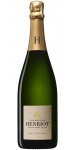
Henriot Brut Souverain is made from 50% Pinot Noir, 40% Chardonnay, 10% Pinot Meunier.
The Brut Souverain is the most historical cuvée in the region, as it was the first cuvée Apolline Henriot produced in 1808. Apolline aspired to put the light on her vineyards through the expression of a champagne. According to her, one year was not enough to tell the story of the terroirs, so she decided to put wines in reserve each year to incorporate them into a future blend. Therefore, she founded the House by creating a Champagne that would have blending as its fundamental principle. The House respects this philosophy today and uses every terroir in this multi-cru, multi-vintage cuvée. It was named Brut Souverain by Ernest Henriot, Apolline's grandson, when the House was appointed the official champagne supplier to the Courts of the King of Holland and of the Emperor of Austria-Hungary.
Review:
A superprecise, reductive style due to bright lime-peel aromas enhanced by chalky minerality with linden tree and yellow plums. Light-bodied, it has zesty acidity with pinprick bubbles, a tight-knit structure and a chewy yet very polished finish.
-James Suckling 95 Points



