
" We don't sell the wine without touching the vine "
I am a new customer.
By creating an account at Timeless Wines you will be able to shop faster, be up to date on an orders status, and keep track of the orders you have previously made.

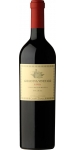
This wine is floral, exuberant, with lengthy smooth tannins, and metallic notes.
This cuvée takes its name from a small parcel of the Adrianna Vineyard that is completely covered with oval white stones and was the site of an ancient riverbed. The abundant stones provide optimal drainage and extreme temperatures. They absorb heat and moderate the nights, but also function like ice cubes after a very cold night. Stony soil Malbecs tend to be extremely aromatic, rich and luxurious, just like the River Malbec from Adrianna. This wine can be enjoyed young or aged for decades.
Pair with grilled meats.
Review:
There is an usual stony austerity in the 2021 Adrianna Vineyard River, cropped from a cold year when the full clusters fermented in concrete with a slightly shorter maceration and an élevage in a 2,000-liter oak foudre and the rest in stainless steel. It has a moderate 13.4% alcohol with very high acidity (8.2!) and a low pH (3.37), incredible parameters of freshness. The wine was closed and took time to take off in the glass, revealing a very elegant and subtle personality, with the silky texture of the very fine tannins, pristine aromas and flavors and a sense of harmony that was moving. It's powerful but extremely elegant in that rare combination of clout and energy, a wine of light, aerial, with some ethereal qualities, delicate and refined. This combines the cool place and high altitude, the cool year and the stony soils, to deliver a stunning Malbec that goes well beyond the variety. Bravo!
-Wine Advocate 100 Points
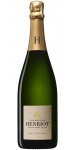
Henriot Brut Souverain is made from 50% Pinot Noir, 40% Chardonnay, 10% Pinot Meunier.
The Brut Souverain is the most historical cuvée in the region, as it was the first cuvée Apolline Henriot produced in 1808. Apolline aspired to put the light on her vineyards through the expression of a champagne. According to her, one year was not enough to tell the story of the terroirs, so she decided to put wines in reserve each year to incorporate them into a future blend. Therefore, she founded the House by creating a Champagne that would have blending as its fundamental principle. The House respects this philosophy today and uses every terroir in this multi-cru, multi-vintage cuvée. It was named Brut Souverain by Ernest Henriot, Apolline's grandson, when the House was appointed the official champagne supplier to the Courts of the King of Holland and of the Emperor of Austria-Hungary.
Review:
A superprecise, reductive style due to bright lime-peel aromas enhanced by chalky minerality with linden tree and yellow plums. Light-bodied, it has zesty acidity with pinprick bubbles, a tight-knit structure and a chewy yet very polished finish.
-James Suckling 95 Points



