
" We don't sell the wine without touching the vine "
I am a new customer.
By creating an account at Timeless Wines you will be able to shop faster, be up to date on an orders status, and keep track of the orders you have previously made.

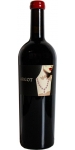
Argot Napa Cabernet Sauvignon Sugarloaf Vineyard is made from 100 percent Cabernet Sauvignon.
Sugarloaf’s terroir continues to impress with its expression of classically-styled Napa Valley Cabernet Sauvignons — impeccably pure black and red fruit character; broad, rich, perfectly ripe tannins; classic Napa Valley notes of cigar leaf, eucalyptus, and freshly-tilled earth; and definitive complexities of clove, all-spice and bay leaf. Having assessed past vintages with a few years of age, we have come to greatly value the significant reward Sugarloaf delivers after a few years in the cellar.
From Block 6, an acre of fiercely steep, ferociously rocky hillside, located in Napa’s far south-eastern foothills, deeply affected by the cooling influences of San Pablo Bay. One of the latest harvests in all of Napa Valley each vintage. Mother Nature was kind to this site in 2019, being our most bountiful year here ever. With perfect set, and vines displaying great health, this normally stingy hillside delivered superlative quality, without restraint of yield. After a slow start in the Spring, 2019’s particularly warm September and October played beautifully to the vineyard’s strengths, and delivered a classic Halloween-time harvest.
Review:
"It is not often that you see a 100% Cabernet Sauvignon coming from this rising star, cooler-climate vineyard in south Napa. This wine comes exclusively from the low-yielding, steep, rocky "Block 6." Deep purple-black in color, the 2019 Cabernet Sauvignon Sugarloaf Vineyard needs a little coaxing to reveal wonderfully pure scents of blackcurrant cordial, juicy blueberries and ripe blackberries, plus suggestions of iris bulb, dark chocolate, molten licorice and cedar chest. The big, rich, seductive, full-on full-bodied palate is laden with ripe, energetic black berry layers, framed by firm, ripe, grainy tannins and seamless freshness, finishing long and perfumed. A stunning, true-blue Napa blockbuster with its own very evocative signature, this comes highly recommended! 175 cases were made. - Lisa Perrotti-Brown"
- Robert Parker's Wine Advocate (November 2021), 97+ pts
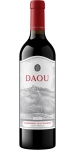
The DAOU Cabernet Sauvignon presents a deep ruby-purple color, foreshadowing intense aromas of cherry and blackberry jam complemented by dark chocolate, tobacco leaf and desert sage. The nose also reveals secondary nuances of wet gravel, sandalwood and plum pudding with subtle notes of fennel, black olive and eucalyptus. On the palate, a swirl of black raspberry, pomegranate, cherry preserve and Zante currant melds seamlessly with crushed herbs, fig and cranberry. An impeccably balanced finish flows effortlessly from the juicy mid palate, leaving lovely notes of boysenberry, rhubarb, graphite and dried thyme.
Review:
Clean lines of cherry, toasted wood, red flower and a pinch of thyme make for a satisfying nose on this widely available bottling. The palate pairs familiar blackberry flavors with mocha spice.
-Wine Enthusiast 91 Points



