
" We don't sell the wine without touching the vine "
I am a new customer.
By creating an account at Timeless Wines you will be able to shop faster, be up to date on an orders status, and keep track of the orders you have previously made.

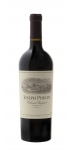
Joseph Phelps Vineyards Cabernet Sauvignon is made from 92% Cabernet Sauvignon, 4% Petit Verdot, 2% Cabernet Franc, 1% Merlot, 1% Malbec.
A classic Napa Valley Cabernet Sauvignon with inviting violet, dark fruit, tobacco, subtle baking spice and earthy dried herb aromatics. The palate is filled with expressive black cherry, blackberry and dark plum, hints of spice box and sweet vanilla bean. A focused, concentrated wine with youthful energy and freshness nimbly balanced by supple tannin structure and finesse.
Review:
Blackcurrants, spiced cedar and dark spices with bark undertones. Full-bodied with very fine, velvety tannins. Textured and compact with a firm, lingering finish. Tight at the end. Needs time to open.
-James Suckling 94 Points
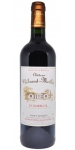
Thibeaud-Maillet Pomerol is made from 100 percent Merlot
Deep ruby with black rim. The nose is spicy, with blackberry, cherry, vanilla, chocolate and a delicate oak presence.
The wine is balanced, the tannins are present, but well integrated and round.
The finish is long and pleasant.
Harvest is done manually and the berries are selected with optical sorting before entering the cellar. Fermentations are carried out at controlled temperature with 3 to 4 weeks of skin contact. Once the malolactic fermentation is completed; the wines are put into barrels (50% new) and aged for 12 months. The estate uses three barrels from three different coopers: Vicard (Charentes)supplying most of the barrels with medium toast and a fine grain, Cadius from Burgundy supplies also fine grain/ medium toasts barrels and last but not least Sylvain, a local cooper is used for three barriques a year, those bring a bit more austerity but also a certain backbone to the blend.
Aged in French oak barrels for 15 months (50% new oak).
Delicious with grilled meat and grilled vegetables.
Review:
Spice, ripe cherry, dark plum, paprika and tobacco aromas. Medium- to full-bodied with tight-grained tannins, compact fruit and a long, firm finish. Drink from 2027.
-James Suckling 92 Points



