
" We don't sell the wine without touching the vine "
I am a new customer.
By creating an account at Timeless Wines you will be able to shop faster, be up to date on an orders status, and keep track of the orders you have previously made.

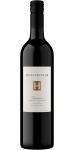
Hickinbotham Trueman Cabernet Sauvignon is made from 100% Cabernet Sauvignon.
The 2019 Trueman Cabernet Sauvignon possesses aromas of mulberry, Asian spices, tapenade, espresso beans and rose petals. The flavours evolve on the palate, with notes of bittersweet chocolate framed by vibrant acidity that gives way to a luxurious mid-palate and persistent finish.
Review:
Dark as night, packed with concentrated aromas of menthol, bay leaf, tobacco, cedar, vanilla and cassis, the 2019 Trueman Cabernet Sauvignon is a rich, powerful Cabernet with notable herbal overtones. Full-bodied, ripe and velvety in texture, it finishes with hints of dark chocolate and scorched coffee. Long and structured, with dusty tannins on the finish, it should age well for at least 10–15 years.
- Robert Parker's Wine Advocate 94 Points
-James Suckling 94 Points
Manoir du Carra Beaujolais Cru Fleurie Clos des Deduits is made from 100% Gamay grapes coming from the lieu dit "Montee de la Tonne".
The vineyard measures 1.5 hectare and the average age of the vines is 50 years. Yield: 48 hl/ha
Manual harvest; Semi-carbonic maceration for 10-12 days; Aging in Foudre for 3-4 months; Slight filtration.
Intense red color, subtle fruity and floral aromas of violet, berry and cinnamon. Ample in the mouth, fruit flavors. Even better after a few years of cellaring.
Excellent with red and game meats, and cheeses.



