
" We don't sell the wine without touching the vine "
I am a new customer.
By creating an account at Timeless Wines you will be able to shop faster, be up to date on an orders status, and keep track of the orders you have previously made.

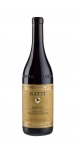
Renato Ratti Rocche dell'Annunziata Barolo is made from 100 percent Nebbiolo. Grapes handpicked in the month of October, de-stemmed and pressed. The alcoholic fermentation takes place in temperature-controlled stainless steel containers. Contact with the skins lasts approximately three to four weeks and includes fermentation and subsequent post-fermentation maceration with the traditional submerged cap system. The malolactic fermentation takes place in steel containers.
The Rocche dell'Annunziata vineyard is historically known as one of the most important in the Barolo zone. In his Barolo Chart, Renato Ratti had already underscored this by entering it in the 1st Category class. Situated at about 300 meters above sea level and with a south-east exposure, it extends over approximately 1 hectare. Rich with typical blue marl interspersed between veins of sand, the earth confers an extraordinary elegance and depth, combined with fine and persistent scents of roses and licorice. A prestigious subzone engenders a Barolo that holds within it suggestions of a radiant future. Warm, persistent, rich: in a word, sumptuous.
The label bears the coat of arms of the local noble family, with a black hawk against a gilt backdrop. The Latin inscription “Probasti me et cogniusti me” means “You tried me, you knew me.”
The Bottle: The Albeisa – named after the city of Alba – is the iconic bottle created by Renato Ratti in 1973, desired as a way of identifying the uniqueness of a territory and its wines.
A garnet red. Delicate and persistent fragrance with trace scents of licorice, rose and violet. Full-flavored, warm, with extremely elegant tannins offering long persistence. A great wine for important dishes, red meats roasted on a spit or grilled, game, dishes of gourmet white and red meats and ripe cheeses.
Review:
Lots of dried flowers here give a perfumed nature to it with berries and citrus. Hibiscus water, too. Full-bodied and chewy with lots of tannins and vivid acidity. Subtle plum and strawberry character. Muscular and formed..
-James Suckling 97 Points
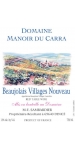
Average age of the vines: 30 years old (between 20 and 60 years old). Skin contact maceration: between 2 and 5 days depending on the parcels.
Beaujolais-Nouveau has been very popular with almost every Thanksgiving dish - from turkey to ham, green beans to mashed potatoes, and gravy to cranberry sauce.
The Beaujolais Villages Nouveau is deeper red, with flavors reminiscent of strawberries and roses, plus a mineral component. Fragrant and medium bodied; refreshing with a tart finish. Beaujolais Villages Nouveau is meant to be consumed young, within 5-7 months.
Beaujolais Nouveau originated about a century ago as a 'vin de l'année' - a cheap and cheerful drink produced by locals to celebrate the end of the harvest season. The Beaujolais AOC was established in 1937, and after WWII, the wine was sold outside of the area. By the 1970's, Beaujolais Nouveau day was a national event.
he region of Beaujolais is 34 miles long from north to south, and 7 to 9 miles wide. There are nearly 4,000 grape growers who make their living in this picturesque region just north of France's third largest city, Lyon.
The Gamay grapes that go into Beaujolais Nouveau are handpicked, as are all the grapes in the Beaujolais. Beaujolais & Champagne are the only vineyards where hand harvesting is mandatory. Gamay (Gamay noir Jus Blanc) is the only grape permitted for Beaujolais.
Beaujolais Nouveau cannot be made from grapes grown in the 10 crus (great growths) of Beaujolais; only from grapes coming from the appellations of Beaujolais and Beaujolais-Villages. Approximately 1/3 of the entire crop of the Beaujolais region is sold as Beaujolais Nouveau.
Nouveau is made with carbonic maceration, or whole-berry fermentation. This technique preserves the fresh, fruity quality of the grapes without extracting bitter tannins from the grape skins.



