
" We don't sell the wine without touching the vine "
I am a new customer.
By creating an account at Timeless Wines you will be able to shop faster, be up to date on an orders status, and keep track of the orders you have previously made.

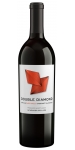
Double Diamond by Schrader Oakville Cabernet Sauvignon is made from 100 percent Cabernet Sauvignon.
Barrels: 54% new French oak, 46% second-use Schrader Darnajou French Oak
The 2022 Cabernet Sauvignon offers concentration, lively acidity, and refined tannins that have become the hallmark of the 2022 vintage. The nose holds notes of black raspberry, toasted cedar, juicy plum, and pennyroyal mint—a Napa Valley Cabernet Sauvignon signature. The palate is mouthwatering with intricately woven layers of blackberry compote, dark chocolate shavings, oolong tea, and flint. The dynamic flavors carry across the mid-palate in vivid harmony into a long, floral finish. This wine is ready to drink upon release but will cellar well for years to come.
Double Diamond is sourced exclusively from a complement of prime vineyard estates. Sourced from the same famed vineyards as its beloved inspiration Schrader Cellars in Napa Valley’s world-renowned Oakville AVA, including our To Kalon Vineyard.

Marea Albarino is made from 100% Albariño
This 100% Albarino is produced from fruits grown in Kristy Vineyard, on the western bench overlooking the Salinas River on broken sediment of ancient sea beds. Kristy is special because Albarino in the vineyard reaches full phenological ripeness at low potential alcohol and natural, bright acidity. Cold fermented in stainless steel for aromatic intensity.
Bright, fresh and crisp with notes of lemon curd and tangerine. On the palate it shows elegant texture and bright acidity on the finish.
Picked under 22 brix, 2/3 whole cluster pressed, 1/3 destemmed and left on skins for two days. Aged on the lees for four months and then sterile filtered.
Pairs with oysters, grilled fish, spicy cuisines.



