
" We don't sell the wine without touching the vine "
I am a new customer.
By creating an account at Timeless Wines you will be able to shop faster, be up to date on an orders status, and keep track of the orders you have previously made.

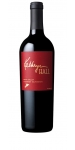
Hall Wines The Kathryn Hall Cabernet Sauvignon is made from 96% Cabernet, 4% Merlot.
The 2017 Kathryn Hall is deep, dark ruby in color and elegantly balanced with layered aromas of concentrated blackberry, freshly turned earth, and a hint of warm, spicy oak. The palate is fruit-forward with underlying notes of rich cocoa and leather. Layers of black fruit, nutmeg, cassis and brooding earthy notes are abundant. Supple, seamless tannin abounds, and the wine finishes with an incredible dark fruit feed-back that lasts several minutes.
Review:
The 2019 Cabernet Sauvignon Kathryn Hall is a blend of 95% Cabernet Sauvignon and 5% Merlot, brought up mostly in new barrels. It’s a killer bottle of wine offering lots of ripe black fruits intermixed with savory herbs, melted chocolate, and tobacco. Medium to full-bodied on the palate, it shows the lush, round, velvety style of the 2019 vintage and is already impossible to resist. It’s going to evolve for 15+ years if well stored.
-Jeb Dunnuck 95 Points
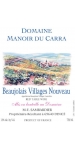
Average age of the vines: 30 years old (between 20 and 60 years old). Skin contact maceration: between 2 and 5 days depending on the parcels.
Beaujolais-Nouveau has been very popular with almost every Thanksgiving dish - from turkey to ham, green beans to mashed potatoes, and gravy to cranberry sauce.
The Beaujolais Villages Nouveau is deeper red, with flavors reminiscent of strawberries and roses, plus a mineral component. Fragrant and medium bodied; refreshing with a tart finish. Beaujolais Villages Nouveau is meant to be consumed young, within 5-7 months.
Beaujolais Nouveau originated about a century ago as a 'vin de l'année' - a cheap and cheerful drink produced by locals to celebrate the end of the harvest season. The Beaujolais AOC was established in 1937, and after WWII, the wine was sold outside of the area. By the 1970's, Beaujolais Nouveau day was a national event.
he region of Beaujolais is 34 miles long from north to south, and 7 to 9 miles wide. There are nearly 4,000 grape growers who make their living in this picturesque region just north of France's third largest city, Lyon.
The Gamay grapes that go into Beaujolais Nouveau are handpicked, as are all the grapes in the Beaujolais. Beaujolais & Champagne are the only vineyards where hand harvesting is mandatory. Gamay (Gamay noir Jus Blanc) is the only grape permitted for Beaujolais.
Beaujolais Nouveau cannot be made from grapes grown in the 10 crus (great growths) of Beaujolais; only from grapes coming from the appellations of Beaujolais and Beaujolais-Villages. Approximately 1/3 of the entire crop of the Beaujolais region is sold as Beaujolais Nouveau.
Nouveau is made with carbonic maceration, or whole-berry fermentation. This technique preserves the fresh, fruity quality of the grapes without extracting bitter tannins from the grape skins.



