
" We don't sell the wine without touching the vine "
I am a new customer.
By creating an account at Timeless Wines you will be able to shop faster, be up to date on an orders status, and keep track of the orders you have previously made.

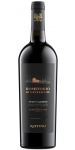
Ruffino Romitorio di Santedame Chianti Classico Gran Selezione DOCG is made from 90% Sangiovese, 10% Colorino.
Romitorio di Santedame, a limited-production Gran Selezione from Castellina in Chianti, pays homage to a rich history while embracing a bright future. It originates from a single vineyard within the Chianti Classico's "golden basin" (Conca d'Oro) and is crafted from an exclusive blend of Sangiovese and Colorino. The latter is a native Tuscan grape variety that was nearly extinct but has experienced a revival through dedicated research and promotion efforts.
Fruity aromas typical of Sangiovese, including black cherry and ripe plum, with violet and complex chocolate and black pepper notes. The palate offers sweet tobacco and balsamic hints, while its balanced structure with refined tannins and lively acidity makes it suitable for extended aging.
Review:
You feel the oak here, suggesting vanilla and clove character, but it’s very well complemented by the dark fruit, ranging from blackberries to mulberries to dark cherries. Full-bodied, dense and decadent with a regal structure and muscular tannin backbone. The acidity cuts nicely through on the long finish and provides freshness. Drink from 2024.
-James Suckling 94 Points
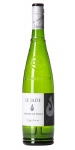
Le Jade Picpoul de Pinet is made from 100% Picpoul de Pinet
Pale straw color. Delicate white flower, citrus and juicy pear aromas. Fresh, crisp, and bright acidity with mineral and saline accents. Well-balanced and easy-drinking.
A refreshing treat laced up with snappy food-friendly acidity.
Picpoul Le Jade makes a classic match with oysters on the half shell and goes very well with exotic food in general. Picpoul means lip-smacking good.
SOIL : Clay and limestone soil just a few kilometres from the reputed Etang de Thau (salted water lagoon) overlooking the Mediterranean town of Sète.
VINIFICATION : Grapes are harvested at 12°- 13° maturity
Skin maceration for several hours
Selection of drained juice after undergoing pneumatic pressure.
Cold double decantation.
Thermoregulated fermentation at 16°C
No malolactic fermentation.



