
" We don't sell the wine without touching the vine "
I am a new customer.
By creating an account at Timeless Wines you will be able to shop faster, be up to date on an orders status, and keep track of the orders you have previously made.

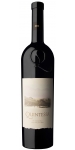
Quintessa Red 2022 is made from 93% Cabernet Sauvignon, 4% Cabernet Franc, 1% Carménère, 1% Merlot, 1% Petit Verdot.
The 2022 Quintessa is a charming wine, opening with intense aromas of black cherry and cassis that are complemented by notes of tobacco, bay laurel, cedar, and dark chocolate. Plush and inviting on entry, this wine’s flavors align with its aromas. The palate reveals dark fruits and an undertone of crushed rocks, tar, and graphite. On the finish, this vintage displays the signature fine-grained tannin of their Quintessa terroir, backed by voluminous texture and fruit.
Review:
Such an incredible wine here - one of the stars of the September releases. Smells amazing, cooling blueberries with fragrant blackcurrants, edges of florality - totally inviting scents. Full and filling in the mouth, this is ample with such a layered effect, super vertical and elongated. Tight and a little tense but it really works - such balance between black fruit, dried herbs, high acidity and a profound structure. Refined and beautifully presented. So much life, so much energy - this is pure class. A wine you don't want to put down. Feels hands off despite such concentration and power. Ends salty with sticky liquorice, mint and cooling wet stones. You could definitely drink this now but it will age too! 1% Merlot and 1% Petit Verdot complete the blend. One of the final few vintages with Rodrigo Soto at the helm - he stepped down last year to concentrate on his family project Far Mountain in Sonoma Valley which is worth following. Winemaker Rebekah Wineburg.
-Decanter 99 Points
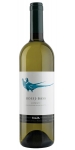
2021 Rossj-Bass displays the main features of the vintage well, with intense fruit concentration and floral notes. The nose shows ripe citrus notes of lemon peel and orange evolving into tropical fruits. The richness of the nose and the same notes are reflected on the palate, where remarkable acidity balances the fruit concentration. The wine is rich, full-bodied and creamy, with a long finish.
Review:
The 2021 Gaja Rossj-Bass starts off with very, crisp, green fruit and much more Sauvignon Blanc dominant aromas of grassy, bright, fragrant green apple and green pepper - all very bright and cheerful. Then Chardonnay seems to take over in the medium-full bodied and pleasing creamy texture of the wine. This is balanced again by the tangy, juicy acidity of Sauvignon. This is very elegant blend of Sauvignon Blanc aromas and zestiness and the textural comfort of Chardonnay. The name Rossj is a nickname of Angelo Gaja’s second daughter, Rossanna.
-Wine Independent 94 Points



