
" We don't sell the wine without touching the vine "
I am a new customer.
By creating an account at Timeless Wines you will be able to shop faster, be up to date on an orders status, and keep track of the orders you have previously made.

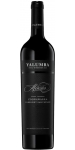
In 1992 the Hill-Smith family counted themselves amongst those fortunate enough to own a vineyard upon the famous Coonawarra terra rossa soil over limestone. Experimentation, innovation, minimalist intervention and small batch winemaking has resulted in The Menzies’ reputation as a wine of longevity, elegance and structure.
Deep crimson with a plum hue. Aromas of fresh blackcurrants, mulberry, ozone, violets and exotic spices. Take a sip and you will feel the poise and tension for which great Cabernet is renowned. A wine of great complexity with flavors of blackcurrant jubes, bitter chocolate and mulberries, wrapped in divine tannins and a lovely sweet, dark fruit finish. With decanting in its youth it is enjoyable as an elegant full-bodied red wine.
Wonderful with a chargrilled rib eye on the bone or porcini mushroom, thyme and quinoa risotto.
Review:
Prune plums and blackcurrants. Violets, lavender leaf and black cherry. Olive tapenade, rosemary and crushed black peppercorn. The wine is held together by a fine mesh of grape and subtle oak tannins, intertwined with pure Coonawarra cabernet fruit. It’s chiselled in its dimension, and you might miss it, as it has such great drinking pleasure. Fruit purity, lovingly handled equals total seduction.
- Australian Wine Companion 95 Points
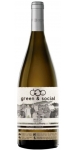
Green & Social Rueda Organic Verdejo is made from 100 percent Verdejo.
The launch of green & social is a step forward in pursuit of the sustainability by Cuatro Rayas and the starting point of new environmental initiatives in support of the social economy that the Cooperative launched. Lightweight recycled glass to reduce emissions. Aluminum capsule free of plastics and 100% recyclable. Sugar cane cap with zero carbon footprint.
Green and social Rueda offers a straw yellow color with bright green hues and exhibits fresh, citrus fruit and balsamic aromas that are typical of the Verdejo variety. Its simplicity and purity find a dynamic and seductive path between fresh flavors, finesse, and minerality. It is a fresh and crisp wine.



