
" We don't sell the wine without touching the vine "
I am a new customer.
By creating an account at Timeless Wines you will be able to shop faster, be up to date on an orders status, and keep track of the orders you have previously made.

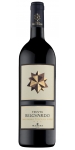
Balancing richness and freshness, this wine delivers dark fruit and seductive spices with a palate that lingers.
Enjoy with cheese and cured meats, grilled or roasted proteins and richly spiced dishes.
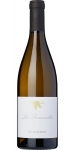
Fleuriet Demoiselles Sancerre Blanc is made from 100 percent Sauvignon Blanc.
The name "Les demoiselles" (translate as "The young ladies"), refers to the beautiful migratory birds (Cranes) that fly over the town of Sancerre twice a year (in the Fall going South to spend the winter in the African continent, and in the Spring going back North to spend the Summer in Northern Europe). These graceful birds offer a unique and impressive show when they sometimes land on the banks of the Loire River. The Fleuriet family wanted to highlight this exceptional grace and express an elegant and refined bouquet in this Sancerre Demoiselles cuvée.
The wine shows a bright yellow color with green highlights, a fruity nose with aromas of white flowers and acacia. Light-medium bodied in the mouth, supple and well structured, its concentration and crisp acidity make it a harmonious and food-friendly wine.
Pairs nicely with fresh goat cheeses, oysters with lemon, grilled lemon chicken breasts and Mexican dishes. Serve these whites at 46 °F (8 °C).



