
" We don't sell the wine without touching the vine "
I am a new customer.
By creating an account at Timeless Wines you will be able to shop faster, be up to date on an orders status, and keep track of the orders you have previously made.


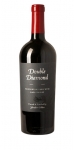
Double Diamond Oakville Proprietary Red is made from 52% Cabernet Sauvignon, 24% Merlot, 24% Cabernet Franc.
The 2022 Proprietary Red Wine maintains the exceptional quality and prestige synonymous with winemaker Thomas Rivers Brown and the Double Diamond portfolio. A Bordeaux blend of Cabernet Sauvignon, Merlot, and Cabernet Franc, it is ready to drink upon release but will cellar well for years to come.
This wine is fragrant with mixed berry compote, crushed ivy, iron, and vanilla bean. Full in body and generously concentrated with notes of ripe black fruits, spice, dark chocolate, and espresso framed with silky tannins, food-friendly acidity, and a lingering finish.
Review:
"The 2022 Double Diamond Proprietary Red allows winemaker Thomas Rivers Brown to experiment with a blend under the Schrader label. Fruit is sourced from notable vineyards, including Wappo Hill for Cabernet Franc, Shifflet for Cabernet Sauvignon in the western hills of the Oak Knoll District, and Red Hen Vineyard for Merlot. This is a lush red with high-toned, perfumed aromatics, dark berry fruit, cassis, and dark cacao notes with a cool, wet slate minerality. Full-bodied, it showcases creamy dark cherry and blackberry fruits, hints of plum, fine-grained tannins, and wild herbs on the extended finish. Balanced, joyful, and far too easy to drink."
-Decanter, October 29, 2024 93 Points



