
" We don't sell the wine without touching the vine "
I am a new customer.
By creating an account at Timeless Wines you will be able to shop faster, be up to date on an orders status, and keep track of the orders you have previously made.

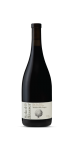
Sokol Blosser Big Tree Block Pinot Noir is made from 100 percent Pinot Noir.
1970 was winding down when our founders, Bill Blosser and Susan Sokol Blosser pulled their ’68 VW Camper up to an abandoned prune orchard some 30 miles southwest of Portland. These moonstruck kids had little farming experience and just a basic knowledge of winemaking. What they did have, in abundance, was a passion for growing the Pinot Noir grape and creating world-class wine. Soon after settling on this extraordinary land, they planted their first vines and cinched their place as pioneers in Oregon’s budding wine industry.
Review:
A very impressive wine for the striking sense of spice, white-pepper and briary, forest notes, across red cherries. The palate has sapid, focused style with such taut yet silky tannins holding long and true. Pure red cherries here. Drink or hold.
-James Suckling 94 Points
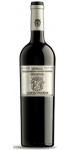
Licenciado Rioja Reserva is made from 100% Tempranillo
This single vineyard wine is always produced from the same vineyard that is also used to make the Gran Reserva wine.
Licenciado shows a ruby red color and outstanding aromas of wild berries, vanilla and spice. The palate is well-balanced, rounded and elegant, and offers black pepper, ripe black fruits and vanilla flavors. Its freshness, oak ageing and high extraction guarantee a longevity of at least 10 years after the year of harvest.
Best enjoyed with red meat and game
Review:
Spicy peppercorns, black cherries, plums and a touch of cocoa powder. Medium-bodied with firm, fine tannins and an extensive finish. Drink now or hold.
-James Suckling 90 Points



