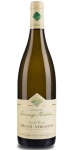
Tua Rita Giusto di Notri is made from 60% Cabernet Sauvignon, 30% Merlot and 10% Cabernet Franc.
The word "Giusto" refers to the name of the Patron Saint of Suvereto (the hilltop Tuscan town where Tua Rita is located) and "Notri" is the name of the winery's exact location.
Giusto di Notri is a Bordeaux-inspired blend of 60% Cabernet Sauvignon, 30% Merlot and 10% Cabernet Franc, selectively harvested in September. After a gentle pressing, the juice and skins macerate for a lengthy period of 25-30 days to add concentration and depth to the final wine. The wine is then aged for 18-20 months in French oak barrels and refined six months in bottle before release.
Deep purple in color, Giusto di Notri offers abundant aromas of blackberry, plum and currants with underpinnings of coriander, violet and a touch of vanilla. Full-bodied, with ripe, fine tannins, and a silky texture, this is a stunning wine with great aging potential.
Ideal for barbecued ribs, steaks, grilled meats and medium-aged cheeses.
Review:
Lots of incense to the aromas with sandalwood and lavender. Currants, blackberries. and fresh herbs, too. Full-bodied and very rich, with a powerful, structured mid-palate and a long, longfinish. A wine for the future. Needs four to five years to soften. Best after 2026.
-James Suckling 97 Points
Alain Jaume Domaine du Clos de Sixte Lirac is made from 50% Grenache, 35% Syrah, 15% Mourvedre
An intense red garnet color. On the nose, aromas of red and black ripe fruit (kirsch and wild blackberry). The mouth is full, with aromas of blackcurrant liqueur and spice. Tannins are both harmonious and elegant thanks to the fleshiness of the wine. Hints of licorice and vanilla on the finish, which gives the wine length and complexity.
Soil type LIRAC vineyard is facing Chateauneuf du Pape, opposite side of the Rhône river. As showed by the picture and following geologist George Truc, soils are almost similar in both side. They are marked by the violence wrought by the Rhone river. It consists of a layer of marine molasses of the Miocene period covered by alpine alluvium. The presence of a great number of rounded stones known as "galets" in the earth is evidence of the time when the Rhone, then a torrent, tore fragments of rock from the Alps and deposited them on the plain. LIRAC is one of the up-coming best area from the southern Rhône valley, as it delivers outstanding wines. Winemaking & ageing Traditional wine-making in stainless still vats. Hand sorted bunches, crushed and destemmed grapes. Fermentation temperature : 30°C. 18 days of vatting with pigeages.