
" We don't sell the wine without touching the vine "
I am a new customer.
By creating an account at Timeless Wines you will be able to shop faster, be up to date on an orders status, and keep track of the orders you have previously made.

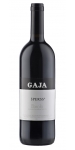
Gaja Sperss is made from 100 percent Nebbiolo.
Vibrant and intense notes of herbs and spices such as thyme, cloves and black pepper. On the palate the wine is tense, loaded with energy that will need serious ageing to fully develop although extremely approachable in its youth. Impressive fruit concentration, with dark and ripe fruits – prunes and black cherries. Acidity and tannins lift this wine to its freshest expression.
Nebbiolo based wines have not only complexity and structure but also great elegance and finesse. The distinctive silky tannins of the Nebbiolo make it the right wine to drink with meat. Usually a young vintage goes very well with richer dishes because of the stronger tannins; mature Barolos are more suitable with delicate white meat courses or braised meat courses with sauces or concentrated red wines reductions.
Review:
The 2019 Barolo Sperss is rich with dark mineral earth, black cherry, and Earl Grey tea. Long and mouthwatering, it has a powerful structure while retaining finesse. It is fantastically balanced, with gripping tannins, fresh acidity, and notes of forested earth and ripe red berries. A wine for the long haul, this is another great and noble wine to drink over the coming three decades.
-Jeb Dunnuck 99 Points

Fullerton Three Otters Rose is made from 60% Pinot Noir, 40% Pinot Gris (7-50 years old)
This Willamee Valley blend hails mainly from three different vineyards in the north, east, and south of the Willamee Valley, with a smaering from five of our other sites. The soils of the vineyards represent the breadth and diversity of the Willamee Valley with both sedimentary- and volcanic-based soils.
Acid: TA 5.6 g/L
pH: 3.45
Aging: 100% stainless steel
Bottled Unfined
Clones: Pommard, Wadensville, Dijon 113, 114, 115, 667, and 777
Winemaker Alex Fullerton and his father and proprietor Eric Fullerton couldn’t decide on a house style for rosé, so they held a friendly competition. They each made a rosé to see whose would win over a crowd. Though the wines were destined to be boled separately, Alex got curious and tried blending the two. Voila! The sum was better than the parts, and a tradition was born. Alex now makes one rosé that is whole cluster pressed and tank fermented, yielding a very crisp and light colored wine, while Eric crafts his rosé from a more robust extraction, which yields a darker and fuller-bodied wine. The two lots are then blended to taste, delivering a crisp, fresh rosé with wonderful structure. The juice spent three weeks on the gross lees prior to fermentation to extract aroma precursers, and then six months on lees post-fermentation.
Pairs with soft cheeses, chicken/turkey.



