
" We don't sell the wine without touching the vine "
I am a new customer.
By creating an account at Timeless Wines you will be able to shop faster, be up to date on an orders status, and keep track of the orders you have previously made.

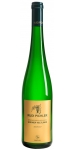
Rudi Pichler Kollmutz Smaragd Gruner Veltliner is made from 100 percent Gruner Veltliner.
Rudi Pichler is among the elite growers of the Wachau producing wines of precision, power, and longevity. Grüner Veltliner and Riesling make up 95% of the production with the remaining 5% shared between Weißburgunder and Roter Veltliner. Rudi Pichler belongs to the prestigious Vinea Wachau and vinifies under the strict parameters of their codex.
Yields are kept low between 30 and 35 hectoliters per hectare with botrytis carefully removed by hand. Grapes are crushed by foot and receive between three and 36 hours of maceration on the skins. Vinification is entirely in stainless-steel tanks and malolactic fermentation is avoided.
Kollmütz is a terraced vineyard in Wösendorf sitting between 200 and 400 meters of elevation. The soils of Kollmütz developed from an ancient landslide resulting in chaotic layers of rock and boulders. The vineyard is particularly rich in magnesium and iron. Wines from Kollmütz are typically linear, dense, and intensely mineral in character.
Grüner Veltliner is the signature grape of Austria and produces a dry white wine with savory aromas, spicy flavors, and good acidity. Grüner Veltliner Smaragd from the Wachau is a full-bodied wine and is rich in style with notes of stone fruit, lemon, radish, and arugula.
Review:
I have heard gruner veltliner dismissed for supposedly not being elegant, but this is an extremely elegant example! Very complex nose of snow peas, green beans, wild herbs and green pepper. On the medium-bodied palate, this remarkable gruner veltliner has a discreet succulence, but what makes it amazing is the way it glides so gracefully over the palate, then splash lands in a deep pool of wet stone minerality. Underplayed power and concentration!
-James Suckling 97 Points

Torello Corpinnat Finca Can Marti Brut 32% Chardonnay, 32% Xarel.lo, 22% Macabeo and 14% Parellada.
The Can Martí estate soils have been formed from sediments from the Garraf Massis, deposited thousands of years ago. One of the most characteristic features of the estate’s soils is the presence of accumulations of calcium carbonate.The movement of water through the soil dissolves the carbonates present and takes them to a certain depth. The continuous repetition of this process has ended up producing the accumulation of these deposits.When these become massive, after thousands of years, they bind together and and form a hard stratum called a petrocalcic horizon. This hard stratum limits the availbility of water to the vine and the production, but is a factor that gives the grape quality.
Straw yellow color, fine and constant bubbles, clean and bright, with golden reflections. The nose reveals a subtle aromatic intensity with fresh and sweet aromas. Honey flowers, citrus notes, white fruit, and balsamic herbs such as fennel.
In the mouth the acidity is well balanced, with delicate bitter notes to the finish and a set of ripe fruits and balsamic nuances.



