
" We don't sell the wine without touching the vine "
I am a new customer.
By creating an account at Timeless Wines you will be able to shop faster, be up to date on an orders status, and keep track of the orders you have previously made.

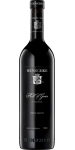
Dark crimson in color, with deep garnet hues. A concentrated array of aromas of mulberry, blackberry and dark plum indicate the richness to come, while savory and complex notes of charcuterie, cedar, sage and five spice tease the senses. Plush and velvety on the palate, the wine has intense fruit concentration with plum, red currant, blackberry and anise flavors, yet an enchantingly elegant and refined structure. Layers of silky tannins reveal the impressive depth of the wine before giving way to an incredibly long finish.
Review:
This has a very complex nose, offering so many facets of spices and fragrance with florals and orange peel, as well as crushed stones, ripe black cherries, blackberries and dark cherries, earth, chocolate and more. The intensity and power here is very tightly held and it has a build of such precise tannins, which carry very intense and assertively ripe blackberries, dark cherries, ripe plums and blueberries. So much on offer here. This has a very bold, intense feel. Exceptional vintage. One of their finest. Try from 2028.
-James Suckling 100 Points
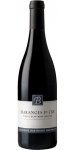
Bachelet Bertrand Maranges Rouge Premier Cru Clos Roussots is made from 100 percent Pinot Noir.
The Maranges appellation is the youngest of the Côte de Beaune family, making its debut in May 1989. It spans three villages: Dezize-lès-Maranges, Cheilly-les-Maranges and Sampigny-les-Maranges. Several hills and slopes make up this appellation, that are south/south-east-facing.
'Les Clos Roussots' is a Premier Cru vineyard in Cheilly-les-Maranges, producing wines with depth and structure.
The wine offers deep ruby color with purple highlights. Aromatic nose of dark berries, spice, and a mineral edge. The palate is full-bodied with firm yet silky tannins and a long finish.
Pairs well with roasted meats, game, and aged cheeses.



