
" We don't sell the wine without touching the vine "
I am a new customer.
By creating an account at Timeless Wines you will be able to shop faster, be up to date on an orders status, and keep track of the orders you have previously made.

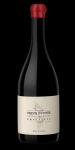
Familia Zuccardi 'Finca Piedra Infinita' Gravascal is made from 100 Malbec.
WINE DATA:
Grape Composition: 100% Malbec
Appellation: Finca Piedra Infinita, IG Paraje Altamira,Valle de Uco, Mendoze
Vinification: Manually selected grapes, filling of tanks by gravity. Fermentation with native yeasts in concrete vessels without epoxy. Aging in concrete vessels. The 2020 was a very particular vintage, characterized by limited yields and a high speed of maturity, which made it one of the fastest and most challenging on record.
In the search for the purest expression of the identity of Finca Piedra Infinita vineyard, we reached this small plot of 0.73 hectares. Located on its north-east side, it shows the typical facet of Paraje Altamira soil, with large gravels and granite stones covered with calcareous material at a depth of 50 cm.
Altitude: 3,609 feet above sea level
Soil Type: Short alluvial soil covered with calcareous materials
Alcohol: 14% Total Acidity: 5.6g/l
TASTING NOTES:
Color: Bright ruby color
Aroma: Dark berries, black olive tapenade, and iron
Flavor: Rich on the palate, with firm tanins
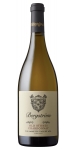
A pale, straw-colored wine with a green hue that is sure to transport you to the sea with its salty succulence and crushed oyster shell notes. Acacia flowers, white pepper, and pear are highlights of an intensely floral expression. Crisp flavors of lime and stone fruit ensure a delightfully light-on-it’s-feet mouthfeel with electric acidity and a long finish.
Reviews:
Creamy in texture yet vibrant in racy acidity, this medium-bodied wine is balanced to a tee and ready to enjoy now or saved for the short term. Offers tangy lemon zest, crisp green apple and delicate lactic accents along with mild oak spices.
-James Suckling 93 Points
The 2021 Chardonnay Old Stones has inviting aromas of baked apples, quince paste, dried acacia, matchstick and gravel dust. The light-bodied palate is most notable for its concentrated fruit and luxurious, mouth-coating texture. Its generosity is balanced by vibrant acidity, and it has a long, honey-nut finish.
-Robert Parker's Wine Advocate 93 Points



