
" We don't sell the wine without touching the vine "
I am a new customer.
By creating an account at Timeless Wines you will be able to shop faster, be up to date on an orders status, and keep track of the orders you have previously made.


Pulled from a Gentleman's cellar, all wines from this cellar have been purchased by the owner either from the importer or direct from winery. They stayed in his cellar until being moved to the Timeless Wines warehouse.
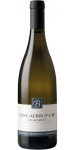
Bachelet Bertrand Saint-Aubin Premier Cru En Remilly is made from 100 percent Chardonnay.
Saint-Aubin is situated in the heart of the Côte des Blancs, between Chassagne-Montrachet and Puligny-Montrachet; both white and red wines are produced here but Chardonnay remains predominant. The Saint-Aubin appellation covers a wide area, with an altitude ranging from 300 to 450 meters, and with very varied expositions and soils, which makes each climat unique.
Saint-Aubin En Remilly is located in the south-east of Gamay, a hamlet near the village of Saint Aubin and next to the Puligny-Montrachet and Chassagne-Montrachet appellations. This area benefits from a south-western exposition.
The wine offers a pale yellow color, with gold nuances; a mineral nose, a dense texture on the palate, bringing together substance and tension.
Perfect as an aperitif, pairs very well with firm-textured fish or with shellfish.



