
" We don't sell the wine without touching the vine "
I am a new customer.
By creating an account at Timeless Wines you will be able to shop faster, be up to date on an orders status, and keep track of the orders you have previously made.

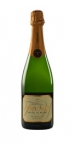
Gold, 92 points, LA Invitational
Gold, 91 points, Critics Challenge International Wine & Spirits Competition
Gold, Virginia Governor's Cup
Gold, Monticello Cup Wine Competition
Tasting notes:
Our 2017 Blanc de Blanc is made with 100% estate-grown Chardonnay. Aged for a minimum of 36 months on lees. Bright green apple and fresh citrus notes with layers of brioche and yeast complexity. An excellent balance of acidity, creamy mousse, and textures that persist with a long and elegant finish.
Pair with any special occasion. Make a Tuesday dinner special. Enjoy with mild cheeses, scallops, or serve as an aperitif.
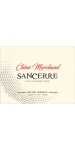
Only 0.27 acre (0.11 hectares) !
Color: light yellow with silvery reflection,
Nose: wine with fine citrus notes
Mouth: Roundness and a touch of liveliness gives it a nice finish
Classic vinification :
- Soft pressing of the grapes upon arrival (no skin contact maceration)
- Cold settling for 24 hours at low temperature (10°C - 50°F)
- Fermentation in Amphora
- Ageing on the fine lees
- Racking followed by a slight filtration
- Bottling.
Served at a temperature of 12°C (53°F), it will accompany your white meats, sea fish, shellfish and cheeses.



