
" We don't sell the wine without touching the vine "
I am a new customer.
By creating an account at Timeless Wines you will be able to shop faster, be up to date on an orders status, and keep track of the orders you have previously made.

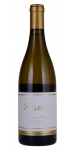
Les Noisetiers is a combination of specific lots from within Kistler’s vineyards of designated quality that are situated in far western Sonoma County, near the coast. They began creating Les Noisetiers upon noting that there was an inherent mineral tone which they loved in the lots from their vineyards planted in these coastal sandy Gold Ridge soils.
A classic balance of layered, juicy fruit and mineral backbone. It is delicious wine, with white flowers and stone fruit aromatics leading to a full bodied, juicy core, loaded with flavors of peach, apricots, pineapple and pear.
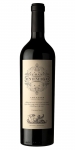
Gran Enemigo Chacayes is dark and firm, with notes of blueberries, black currants, lavender, tobacco, walnuts, and black peppercorns. The finish has a savory mineral character. Certified Sustainable by Bodegas de Argentina.
Gran Enemigo Chacayes is a perfect match for grilled lamb, chimichurri roasted vegetables, or beef stew.
Review:
Blueberries, blackcurrants, hot stones, tobacco leaves, dried lavender, walnuts and cracked pepper on the nose. Medium-to full-bodied with firm, fine-grained tannins. Dark and mineral character to this. Solid, compact cabernet franc. Firm and savory finish. Try from 2024.
- James Suckling 96 Points



