
" We don't sell the wine without touching the vine "
I am a new customer.
By creating an account at Timeless Wines you will be able to shop faster, be up to date on an orders status, and keep track of the orders you have previously made.

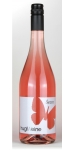
SALE!
Hugl Zweigelt Secco Rose is made from 100% Zweigelt
Despite its relative youth, Zweigelt is actually an Austrian classic. This variety was created in 1922, when Dr. Fritz Zweigelt crossed two grapes - St Laurent and Blaufränkisch. Originally, it was intended for the new variety to be called Rotburger, referring to the place where it was born, Klosterneuburg. But this name never took hold, and instead, Zweigelt was named after the man who was the key in its development.
Today, Zweigelt is the most widely planted red variety in Austria, growing in nearly 9% of this country's vineyards. It is a robust grape, highly resistant to dryness, frost and various diseases.
Lively, fruity bouquet of strawberry, cherry and floral aromas. Refreshing and beautifully balanced, this is a great wine to enjoy as an aperitif. This is a Secco for the whole day and the whole night
The wine is made of 100% Zweigelt grapes of 15-35 years old (25 years old in avarage).
The soil is mainly loam and loess.
It is made using the Charmat method and the wine is aged for 3 months on the lees in stainless steel tanks.
The wine is slightly filtered before bottling.
Drink by itself as an aperitif, it is also a great picnic or brunch wine and will be a good pick to celebrate any occasion.
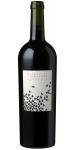
60% Cabernet Franc, 29% Cabernet Sauvignon, 11% Merlot
The 2019 Paramour entices with notes of blueberry, iris, leather, chocolate cake, and cigar on the nose. A rich attack of layers of flavor include cherry, plum, coffee, and chocolate with bright acidity. Soft and silky tannins lead to a long finish, with cherry, blueberry, plum, and currant lingering on the palate.
Review:
A blend of 60% Cabernet Franc, 29% Cabernet Sauvignon and 11% Merlot, the 2019 Paramour Proprietary Red was sourced from the Schifflet, Hudson and Stagecoach Vineyards. Blessed with floral notes, licorice and black cherries on the nose, this looks like the pick of the litter and is one reason why Napa Cabernet Franc prices are what they are. This is full-bodied and rich yet seemingly weightless, despite being concentrated, long and velvety. This is just lovely stuff.
Robert Parker's Wine Advocate 97 Points



