
" We don't sell the wine without touching the vine "
I am a new customer.
By creating an account at Timeless Wines you will be able to shop faster, be up to date on an orders status, and keep track of the orders you have previously made.

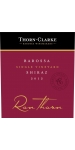
Deep red with a slight purple hue on release. The wine has a rich mix of dark chocolate infused with coffee bean and black liquorice, then scents of tar, aniseed, raw (pure) soy and black olive on the nose. The palate is expansive, and yet balanced and finessed. An amalgam of dark berried flavors and textural sensations. The 100% new oak is completely absorbed, meshed with ripe tannins, completing a palate of impressive length and youthfulness.
Parcels of fruit for this wine were identified in the vineyard by the winemakers. Daily fruit inspection led to the fruit being harvested at optimum flavor ripeness. The fruit was harvested at night and quickly transported to the winery. The fruit was destemmed to 6T open fermenters for fermentation. A Shiraz specific yeast was selected to ferment the wine and fermentation was carried out at a maximum of 28°C. The fermenter was manually pumped over twice daily in the first half of fermentation to give the winemakers control of color, flavor and tannin extraction. Pump over regimes were adjusted toward the end of fermentation to suit the tannin and flavor extraction of the wine. The cap was completely broken up on each pump over. The wine remained in fermenters for 6-8 days (dependent on parcel) before being pressed, inoculated with malolactic bacteria and filled to American oak (100% new barrels). The wine was racked post malolactic fermentation and returned to the same barrels. The wine was topped every month and after six months racked and returned to the same barrels again. Prior to bottling the parcels were emptied from oak and blended. Minimal fining and filtration was carried out prior to bottling.
Review:
Only made in top vintages, the 2019 Shiraz Ron Thorn is 100% Shiraz from the St. Kitts Vineyard in Barossa. Killer notes of blackberries, black cherries, smoked tobacco, chocolate, and subtle menthol all define the aromatics, and it hits the palate with full-bodied richness, a round, layered mouthfeel, huge mid-palate depth, and a salty, decadent style on the finish. This monster of a Shiraz stays balanced and light on its feet and is beautifully done.
-Jeb Dunnuck 96 Points

Maysara Arsheen Pinot Gris is made from 100 percent Pinot Gris.
No oak
Arsheen was an Archeamenian Princess during the 500 B.C. Era. She taught Astronomy and was granted the role of winemaker in the palace due to her impeccable palate and knowledge.
A bright expression of fruit right up front, allowing you to mingle and recline in a shaded garden on a sunny day. The wine floats atop a delicate hint of salinity that will reward pairings of shellfish and citrus based preparations. Arsheen has a smart, refreshing character that will bestow clarity and a ready-set-go!
At Maysara Winery & Momtazi Vineyard, we are committed to cap-turing the complete expression of our land and conveying it to you through superior quality in every bottle. We practice only low-impact, holistic farming methods in our Demeter Certified Biodynamic Vineyard. We are confident these practices are the best way to capture the true essence of the soil in our fruit and ensure health of our vines and the unique accent of our terroir for generations. This philosophy is carried into the cellar, where Demeter Certified Biodynamic wine-making practices produce wines with intensity, sophistication and elegance while maintaining a purity of both fruit and earth.
Starting gunshot to any coursed meal, or even as a cocktail… try as a Bianco, with campari, lemon, ice and a splash of soda…



