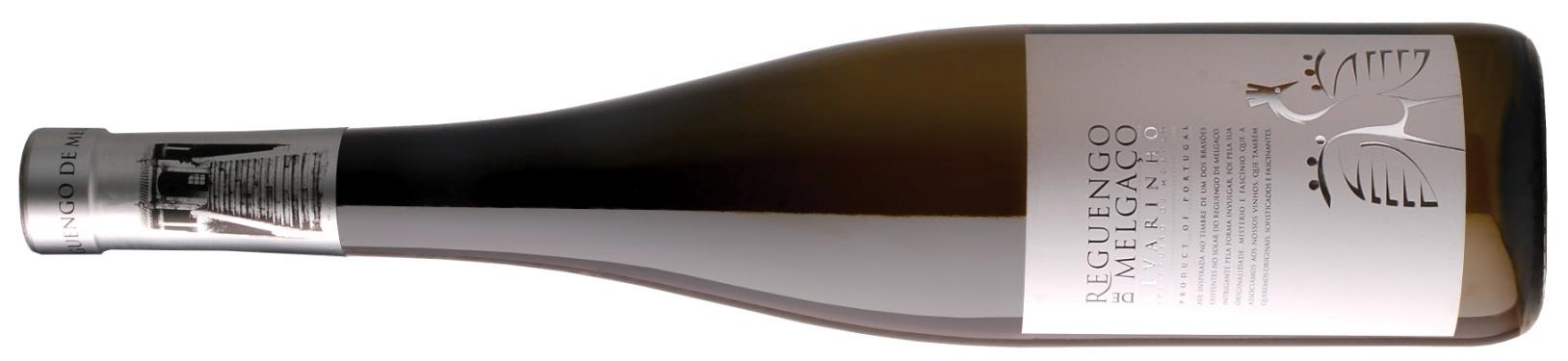
" We don't sell the wine without touching the vine "
| Country: | Portugal |
| Region: | Vinho Verde |
| Winery: | Reguengo de Melgaco |
| Grape Type: | Albarino |
| Vintage: | 2016 |
| Bottle Size: | 750 ml |
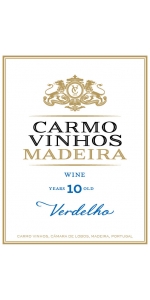
Carmo Vinhos Madeira Verdejo 10 Yr an amber medium dry wine with medium body and acidity. Rich aroma and flavor of dried fruits, nuts and caramel, showing a vibrant character, lengthy and well balanced. An excellent aperitif or as an accompaniment to pates.
Lima Granite Vinho Verde is made from 100 percent Loureiro.
This special project from the Adega Ponte de Lima highlights the diverse soils of the Vinho Verde region. Made from 100% Loureiro grapes, both the Granite and Schist varieties boast a crisp acidity and expressive minerality.
Lima Vinho Verde Granite displays intense floral aromas with great freshness and more accentuated minerality.
Sushi, fish, seafood, cheeses and salads.
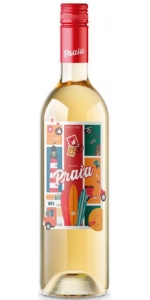
Praia Aveleda Vinho Verde NV is made from 40% Loureiro, 20% Trajadura, 20% Arinto, 20% Azal.
Praia, which means "beach" in Portuguese, is a smooth and fresh wine with delicate and lovely fruity flavors. Slightly spritzy, it is well balanced and very refreshing.
The region is typical for its unique wines that are fresh and light, combined with a very well balanced acidity. These characteristics result from the region's unique soil and climate, with a strong Atlantic influence that you will identify when you taste it.
The wine is ideal as an aperitif or throughout a meal, especially with fish, seafood, white meat and salads. Due to it freshness, it is particularly pleasant in a relaxed and informal ambiance.

Vinhão (also known as Souzao or Sousao) is a Portuguese wine grape used in the production of port wine. While originating in the Minho regions, it is used primarily in Australia, California and South Africa. In Portugal, it is also an authorized planting in the Douro, and Dão-Lafões area (Vinho do Dão). The grape is known for the very deep color it produces in a wine as well as its coarse and raisiny taste.
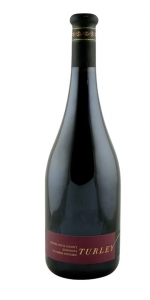
After working with the fruit for over a decade, Turkey is proud to present the first single-vineyard bottling for Turley from the Del Barba Vineyard. Contra Costa is a delta where the San Joaquin and Sacramento rivers meet, and these head-trained vines are planted in deep dehli blow sand, made up of decomposed granite coming down from the Sierra Mountains. The resulting wine embodies the best the delta has to offer: silken textures, ultra fine tannin, and dark saline fruits.
Review:
"The 2023 Zinfandel del Barba is ripe, boisterous and super-expressive. Floral overtones and bright acids run through a core of red/purplish fruit. Sandy soils confer lovely aromatic presence to this pure Zinfandel. This is an especially accessible offering from Turley."
-Vinous 91-93 Points
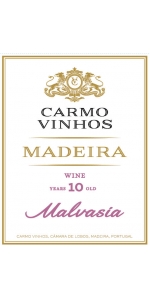
Carmo Vinhos Madeira Malmsey 10 Yr is richest style of Madeira. With a deep amber color, this intense wine has a complex flavor of walnuts, dried fruits, coffee and caramel. Full body hiding the acidity and a very long finish. An excellent accompaniment to coffee.
Fresh with an intense fruity character. Very mineral wine with notes of apple, plums, peach, combined with a still dominant citric profile. Magnificent volume with an elegant and delicious unctuousness. Fantastic finish, long and aromatic. Very good balance between acidity and dryness/sweetness although the wine almost doesn’t have residual sugar.
Alcohol content: 12.5 % Vol.
pH: 3,41
Total Acidity: 6 g/L tartaric acid
Volatile Acidity: 0,36 g/L acetic acid
Average age of the vines is 20 years old, all planted on alluvium (stream deposit) consisting in gravelly and sandy soils.
Grapes were transported to the winery immediately after the harvest in small size boxes. They were smoothly pressed before fermentation in stainless-steel tanks, with temperature control. Selected yeasts were added for the fermentation.
Fish and seafood are strongly associated to the white wine consumption. With Reguengo de Melgaço Alvarinho wines it’s not different. They usually make wonderful pairings with fish and seafood main courses.
However, other pairings are also recommended.
Salads, fruit, white meats, are also great companions for Reguengo de Melgaço Alvarinhos. The volume, attack and intense flavour of these wines allow even more unconventional pairings for white wine, such as heavier meat plates.
Review:
"The 2015 Alvarinho is dry and comes in at 13% alcohol. This is nicely structured, but it is most impressive for its expressive fruit. Ripe and delicious, with a solid mid-palate and crispness on the edges, this is a beautifully crafted Alvarinho. It should hold for several years, but it is hard to resist now. - Mark Squires"
- eRobertParker (Issue #225, June 2016), 90 pts
Reguengo de Melgaço means land of the royalty. The name comes from the fact that the estate belonged to the Portuguese royal family on the XVI century from where it got its name.
Date Founded: 1998
Reguengo de Melgaço means land of the royalty. The name comes from the fact that the estate belonged to the Portuguese royal family on the XVI century.
As the property once belonged to aristocratic feudal families, the Melgaço population used to pay the tithe based on its production. This is the reason why you can find some very large “lagares” and “canastros” existing in the Quinta.
The sage, autumnal older sister to the spring verve of the Juvenile, Old Vines encompasses everything we stand for at Turley. Teeming with dark berries, currants, baking spices, earth, and a sprinkle of petrichor on the nose. The palate is brooding yet supple, serious yet satisfying. Inherently embodies the depth, complexity, and grace that can only come from old vines.
Review:
As with the Juvenile bottling, the 2022 Zinfandel Old Vines punches above its weight in this vintage. The nose is considerably deeper, fuller and more polished, opening with aromas of crushed plums, wild berry preserves, tobacco leaves and similar autumnal accents to its younger sibling. The palate is light- to medium-bodied, carrying through the polished quality of the nose and melds it with a subtly dusty tannin structure and bright acidity. The finish is straightforward and easy to drink, offering generous layers of fruit, spice and floral notes.
- Robert Parker's Wine Advocate 92 Points
A gutsy little red, with intense yet zesty flavors of raspberry, cranberry, savory anise and black pepper that finish with briary tannins.
Wine Spectator 92 Points
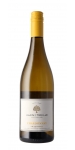
This chardonnay has a characteristic pale yellow color with a shade of gold and subtle nose that will remind you the fresh butter nuts and roasted almonds. On the palate, it is full bodied and fruity with a pleasant roundness.
Average age of the vines is 25 years old.
We produce a part of this cuvee with 12 hours skin maceration and another part from directly pressed grapes.
Wine was slightly filtered before bottling to insure the wine remains stable.
Best friend as an aperitive or with freshwater fish, shellfish and goat cheeses.