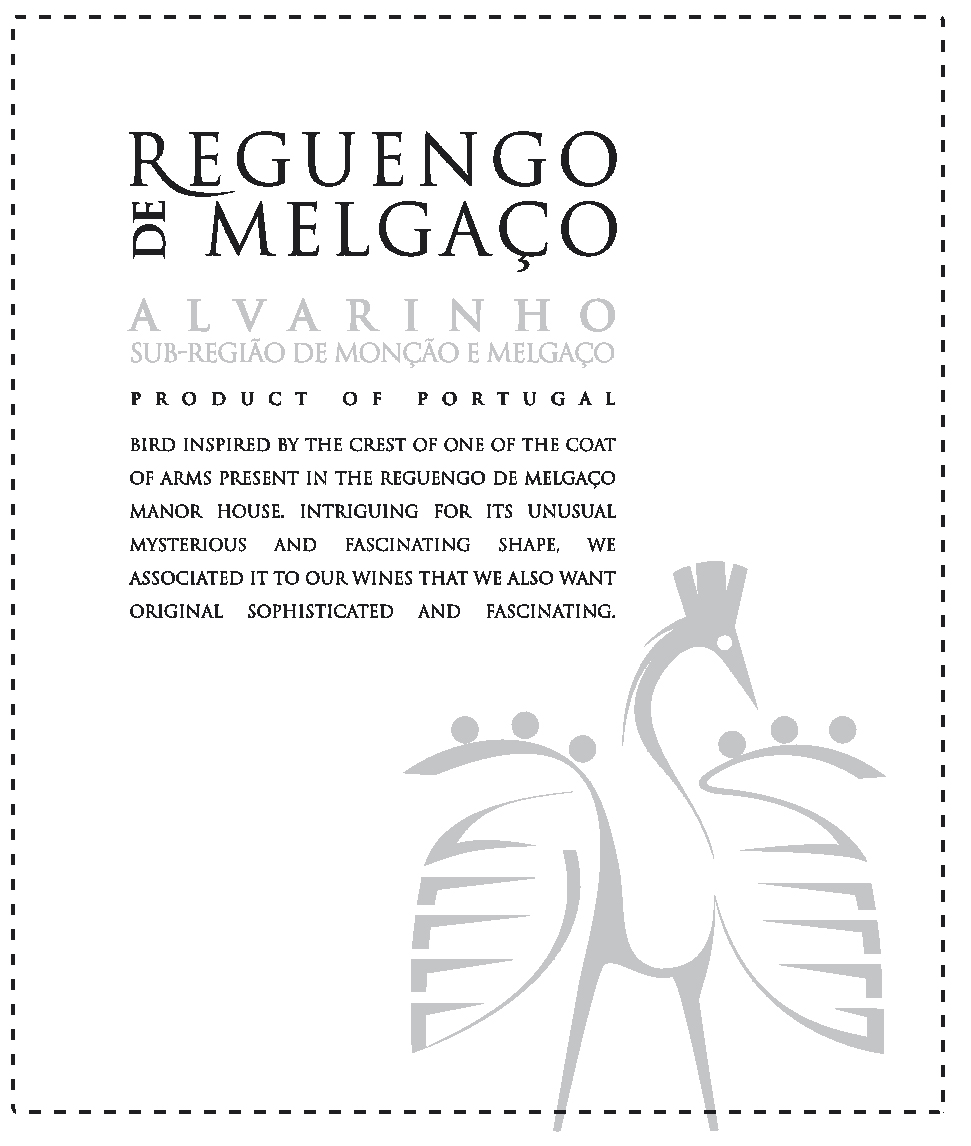
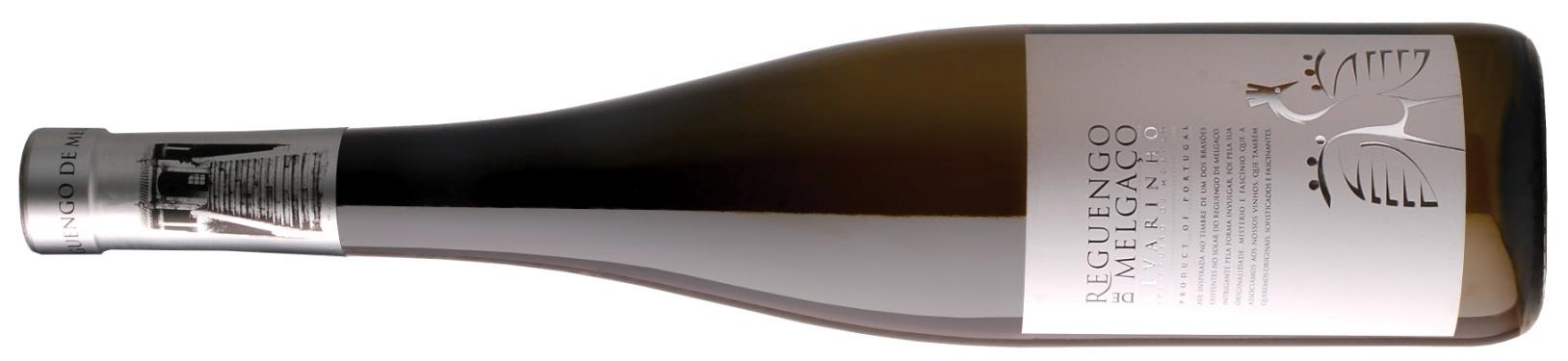
" We don't sell the wine without touching the vine "
| Country: | Portugal |
| Region: | Vinho Verde |
| Winery: | Reguengo de Melgaco |
| Grape Type: | Albarino |
| Vintage: | 2018 |
| Bottle Size: | 750 ml |
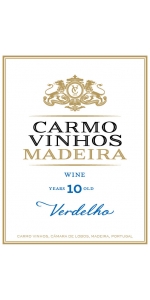
Carmo Vinhos Madeira Verdejo 10 Yr an amber medium dry wine with medium body and acidity. Rich aroma and flavor of dried fruits, nuts and caramel, showing a vibrant character, lengthy and well balanced. An excellent aperitif or as an accompaniment to pates.
Lima Granite Vinho Verde is made from 100 percent Loureiro.
This special project from the Adega Ponte de Lima highlights the diverse soils of the Vinho Verde region. Made from 100% Loureiro grapes, both the Granite and Schist varieties boast a crisp acidity and expressive minerality.
Lima Vinho Verde Granite displays intense floral aromas with great freshness and more accentuated minerality.
Sushi, fish, seafood, cheeses and salads.
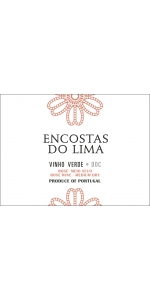
Lima Vinho Verde Rose is made from 75% Souzao, 15% Borraçal and 10% Espadeiro.
It is a blend of 75% Souzao (same as Vinhao), 15% Borraçal (which is also known as Caino Tinto) and 10% Espadeiro:
Souzão (or Sousão or Vinhão) is a Portuguese wine grape that is used in the production of port wine. While originating in the Minho regions, it is used primarily in Australia, California and South Africa. In Portugal, it is also an authorized planting in the Douro, and Dão-Lafões area (Vinho do Dão). The grape is known for the deep color it produces in a wine as well as its coarse and raisiny taste.
Caiño tinto (also known as Borraçal) is a red Galician wine grape variety that is also grown in Portugal's Vinho Verde wine region where it is known as Borraçal. In Spain, it is a permitted variety in the Denominación de Origens (DOs) of Rías Baixas and Ribeiro where it produces highly perfumed wines with noticeable tartness and high acidity.
Espadeiro is a red Portuguese wine grape planted primarily in the Minho region for making Vinho Verde. It is also grown across the border, in Spain, in Galicia where it is used to make light bodied wines.
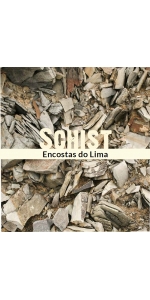
Lima Xisto (Schist) Vinho Verde is made from 100 percent Loureiro.
his special project from the Adega Ponte de Lima highlights the diverse soils of the Vinho Verde region. Made from 100% Loureiro grapes, both the Granite and Schist varieties boast a crisp acidity and expressive minerality.
Lima Schist Vinho Verde displays subtle yet more complex aromas. Full bodied, persistent and engaging.
Sushi, fish, seafood, cheeses and salads.
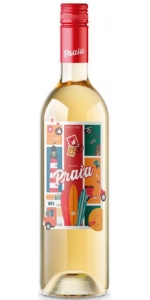
Praia Aveleda Vinho Verde NV is made from 40% Loureiro, 20% Trajadura, 20% Arinto, 20% Azal.
Praia, which means "beach" in Portuguese, is a smooth and fresh wine with delicate and lovely fruity flavors. Slightly spritzy, it is well balanced and very refreshing.
The region is typical for its unique wines that are fresh and light, combined with a very well balanced acidity. These characteristics result from the region's unique soil and climate, with a strong Atlantic influence that you will identify when you taste it.
The wine is ideal as an aperitif or throughout a meal, especially with fish, seafood, white meat and salads. Due to it freshness, it is particularly pleasant in a relaxed and informal ambiance.

Ossian Quintaluna Verdejo is made from 100% Verdejo
Quintaluna is a young wine that is made exclusively from Verdejo in the province of Segovia. 60% is very old grape: pre-phylloxera (ungrafted). 40% is made of very young grapes on trellises, grown certified organic, with low yields. The key to success for the Verdejo grape is held in the soil. Ideal soil has a high content of sand and pebbles of different sizes. Some have higher proportions of clay and others have significant proportions of clay and limestone. As the pebbles and sand allow for good drainage, the clay holds enough moisture to allow the vines to thrive.
The color is a straw yellow with greenish reflections. On the nose, you will find aromas of white flowers, stone fruit (peach), and citrus (lemon, mandarin). It also displays tropical fruit aromas. The palate is complex. Natural acidity is evident in the freshness and length on the palate. Almond and ripe fruit flavors are found in the mid-palate with fresh grass and citrus on the finish.
It pairs wells with all kinds of appetizers, entrees and salads.
Review:
"Light, bright straw. Fresh pear, orange pith and a suggestion of pungent flowers on the powerfully scented nose, along with a building mineral nuance. Juicy and incisive in the mouth, offering Meyer lemon, pear and quince flavors accented by a spicy ginger flourish. Silky and focused on the finish, which shows powerful floral lift, minerally cut and impressive persistence. - Josh Raynolds"
- Antonio Galloni's Vinous (February 2021), 92 pts
Fresh with an intense fruity character. Very mineral wine with notes of apple, plums, peach, combined with a still dominant citric profile. Magnificent volume with an elegant and delicious unctuousness. Fantastic finish, long and aromatic. Very good balance between acidity and dryness/sweetness although the wine almost doesn’t have residual sugar.
Alcohol content: 12.5 % Vol.
pH: 3,41
Total Acidity: 6 g/L tartaric acid
Volatile Acidity: 0,36 g/L acetic acid
Average age of the vines is 20 years old, all planted on alluvium (stream deposit) consisting in gravelly and sandy soils.
Grapes were transported to the winery immediately after the harvest in small size boxes. They were smoothly pressed before fermentation in stainless-steel tanks, with temperature control. Selected yeasts were added for the fermentation.
Fish and seafood are strongly associated to the white wine consumption. With Reguengo de Melgaço Alvarinho wines it’s not different. They usually make wonderful pairings with fish and seafood main courses.
However, other pairings are also recommended.
Salads, fruit, white meats, are also great companions for Reguengo de Melgaço Alvarinhos. The volume, attack and intense flavour of these wines allow even more unconventional pairings for white wine, such as heavier meat plates.
Review:
"The 2015 Alvarinho is dry and comes in at 13% alcohol. This is nicely structured, but it is most impressive for its expressive fruit. Ripe and delicious, with a solid mid-palate and crispness on the edges, this is a beautifully crafted Alvarinho. It should hold for several years, but it is hard to resist now. - Mark Squires"
- eRobertParker (Issue #225, June 2016), 90 pts
Reguengo de Melgaço means land of the royalty. The name comes from the fact that the estate belonged to the Portuguese royal family on the XVI century from where it got its name.
Date Founded: 1998
Reguengo de Melgaço means land of the royalty. The name comes from the fact that the estate belonged to the Portuguese royal family on the XVI century.
As the property once belonged to aristocratic feudal families, the Melgaço population used to pay the tithe based on its production. This is the reason why you can find some very large “lagares” and “canastros” existing in the Quinta.

Zombie Zin Zinfandel is made from 95% Zinfandel and 5% Syrah
Be careful if you go out at night. The Zombie Zin is designed to be consumed in hiding with the only friends you have left... post apocalypse.
The Zombie Zin is sporting a new label design with a torn look, that suggests a window into another world. The colors are more vibrant earth-tones and the capsule is a deep red.
The Zombie Zinfandel is very dark in color, almost a black-purple. The aromas are of ripe, dense black fruits and a hint of dried herbs. The flavors are complex and rich, sporting succulent blackberries, powdered cinnamon, cola and cherry jam. Just a hint of black pepper in the long finish.
The grapes for the Zombie are sourced throughout California, mostly from the dry, hot sandy soils of the Delta region and the Central Valley. The final blend benefitted from some inky Syrah grapes that came from the Central Coast. The wine was fermented in Stainless Steel and aged for about a half a year in American oak.
Pairs well with bloody BBQ meats, sinister soups with eye of newt, bubbly caldron of fleshy stew.
Praia Aveleda Vinho Verde NV is made from 40% Loureiro, 20% Trajadura, 20% Arinto, 20% Azal.
Praia, which means "beach" in Portuguese, is a smooth and fresh wine with delicate and lovely fruity flavors. Slightly spritzy, it is well balanced and very refreshing.
The region is typical for its unique wines that are fresh and light, combined with a very well balanced acidity. These characteristics result from the region's unique soil and climate, with a strong Atlantic influence that you will identify when you taste it.
The wine is ideal as an aperitif or throughout a meal, especially with fish, seafood, white meat and salads. Due to it freshness, it is particularly pleasant in a relaxed and informal ambiance.
In 2007, production was just less than 5000 kg per hectare. This wine is prepared with Tempranillo 100% grapes from our vineyards.
The grapes are initially subjected to a six-day pre-fermentation cold maceration below 14ºC. They then undergo 30 days of alcoholic fermentation at a controlled temperature of 28ºC, after which the wine is removed from the tanks without pressing the grape skins. The malolactic fermentation is slow and relaxed at a temperature of 20 ºC for 28 days without the addition of bacteria.
The wine is aged for18 months in new French oak barrels and is decanted into new barrels every six months. At the end of this period, the wine is blended and bottled without undergoing any type of filtration, clarification or cold treatment.
Prepared with Tempranillo grapes (100%), this wine has a ruby red colour with very pure, intense garnet tones.
Its bouquet has fine complexity with tones of ripened fruit, especially cherries, blue berries and black currants, which are in harmony with tones of good wood, spices (vanilla and coconut) and a liquorice undertone.
In the mouth, this wine displays great balance, proving pleasing to the taste, sweet due to the maturity of its tannins and exuberant on account of its pleasant level of acidity.
Vineyard:
Pago de los Capellanes, Pedrosa de Duero.
Variety composition:
100% Tempranillo.
Type of soil:
Clayey and chalky.
Aging:
18 months in barrel and remainder on rack.
Type of oak:
100% French oak, medium toast.
Serving:
Uncork and decant one hour before serving at a temperature of 16-18 ºC.
The 2019 Ribera del Duero Reserva is also terrific, with gorgeous aromatics of black and blue fruits supported by Asian spices, lead pencils, cedarwood, and violets. It's beautifully textured, medium to full-bodied, has a concentrated, powerful mouthfeel, and ripe, integrated tannins.
-Jeb Dunnuck 95 Points
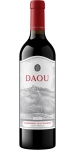
The DAOU Cabernet Sauvignon presents a deep ruby-purple color, foreshadowing intense aromas of cherry and blackberry jam complemented by dark chocolate, tobacco leaf and desert sage. The nose also reveals secondary nuances of wet gravel, sandalwood and plum pudding with subtle notes of fennel, black olive and eucalyptus. On the palate, a swirl of black raspberry, pomegranate, cherry preserve and Zante currant melds seamlessly with crushed herbs, fig and cranberry. An impeccably balanced finish flows effortlessly from the juicy mid palate, leaving lovely notes of boysenberry, rhubarb, graphite and dried thyme.
Review:
Clean lines of cherry, toasted wood, red flower and a pinch of thyme make for a satisfying nose on this widely available bottling. The palate pairs familiar blackberry flavors with mocha spice.
-Wine Enthusiast 91 Points