
" We don't sell the wine without touching the vine "
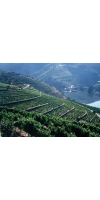
Until 2009, Ribatejo was a wine region in Portugal. After that time it became known as the Tejo region. Ribatejo covers the same areas as the province of Ribatejo getting its name from the Tejo River. The entire area uses the Vinho Regional designation. The river was renamed in order to increase the international reputation of Ribatejo.
The DOC has retained the name Ribatejo, which removed the old problem of having the identical name applied to wines with two different classification levels. Ribatejo was hit extremely hard by the 1974 revolution. When this occurred, some winemakers didn’t do so well, while others were completely displaced.
Located between the Alentejo VRs and the Lisboa, the Tagus river dominates the region, the river is responsible for the climate of the region which makes it much more temperate and fertile than other regions in Portugal.
The vineyards in Ribatejo are planted in the fertile plains along the river in the alluvial soil. The region is also known for producing an abundance of crops. Wine making in Portugal dates back to Roman times when the winemakers in the region exported their reds and whites all over Europe. By the end of the 13th century, Ribatejo shipped almost 60,000 barrels of wine to England every year.
No products found
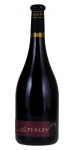
Turley Kirschenmann Vineyard Zinfandel is made from 100 percent Zinfandel.
Organically farmed, own-rooted, head-trained and dry-farmed vines planted in 1915 in the silica-rich sandy soils of the east side of the Mokelumne River AVA. Marking the 10th vintage of this wine, bright ripe red fruits, raspberry preserves, and white pepper burst forth from the glass. Precise on the palate like a perfectly seasoned piece of meat, with more red berries and a sumptuously complex texture.
Review:
The 2023 Zinfandel Kirschenmann Vineyard is one of the best wines I have tasted from this site, as it has more textural depth and resonance than is typically the case. As always, the Kirschenmann Zinfandel is aromatic and lifted. In 2023, it is a bit more complex and nuanced than it often is. Bright red-toned fruit and floral overtones linger. This is such a pretty wine.
Vinous 92-94 Points

Rinaldi Moscato d'Asti Bug Juice is made from 100 percent Moscato.
Straw-yellow color. The bouquet is delicate and intense with aromas of fruit (apple, peach) and spices (sage). The palate is sweet and smooth with lingering aromatic persistence. A refreshing and pleasant wine, perfect for brunch, picnics or poolside.
The training system used is Guyot with a density of 2500-3000 vines per hectare Manual harvest into crates. Soft pressing. Settling in steel vats to allow natural clearing of musts. Racking, increase in temperature. Temperature and pressure controlled fermentation until bottling.
Dessert, ideal with hazelnut cake. Original with "strong" cheese such as Robiola of Roccaverano and Gorgonzola.



