
" We don't sell the wine without touching the vine "
| BUY MORE! SAVE MORE! | ||||||||||||||||||||
|
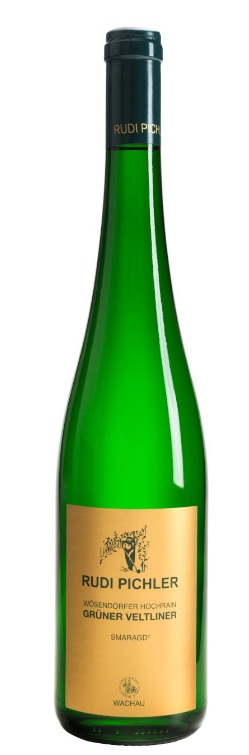
| Country: | Austria |
| Region: | Wachau |
| Winery: | Rudi Pichler |
| Grape Type: | Gruner Veltliner |
| Organic: | Yes |
| Vintage: | 2022 |
| Bottle Size: | 750 ml |
Rudi Pichler is among the elite growers of the Wachau producing wines of precision, power, and longevity. Grüner Veltliner and Riesling make up 95% of the production with the remaining 5% shared between Weißburgunder and Roter Veltliner. Rudi Pichler belongs to the prestigious Vinea Wachau and vinifies under the strict parameters of their codex.
Yields are kept low between 30 and 35 hectoliters per hectare with botrytis carefully removed by hand. Grapes are crushed by foot and receive between three and 36 hours of maceration on the skins. Vinification is entirely in stainless-steel tanks and malolactic fermentation is avoided.
Hochrain, a name meaning "high place," is a southeast-facing terraced vineyard in Wösendorf sitting between 200 and 300 meters of elevation. The vineyard consists of an unusually high content of loess, a mineral-laden soil that produces wines that are especially broad and rich.
Review:
“A stunning wine for this grape that is also rather easy to understand. The Reine Claude plum and peppery nose is complex, but already charming. As exciting as the simultaneously creamy and succulent mid-palate is, what makes this medium- to full-bodied gruner veltliner really stand out is the extremely long, crushed rock finish.”
James Suckling 96 Points
Rudi Pichler is among the elite growers of the Wachau producing wines of precision, power, and longevity. The cellar is based in the village of Wösendorf where generations of Pichlers have tended vines since 1731. Rudolph Pichler, III took over the winery in 1997 and has since expanded the vineyards and constructed a modern cellar in 2004. Grüner Veltliner and Riesling make up 95% of the production with the remaining 5% shared between Weißburgunder and Roter Veltliner. Rudi Pichler belongs to the prestigious Vinea Wachau and vinifies under the strict parameters of their codex. He was awarded Falstaff’s Vintner of the Year in 2010.
Weingut Rudi Pichler consists of 37 acres spread between Wösendorf, Joching, Weißenkirchen, and Mautern. Wösendorf and Joching lie in the heart of the Wachau Valley where south-facing terraces look down at the Danube River. Here, rieden such as Kirchweg, Hochrain, and Kollmütz are marked by occasional deposits of loess over base rock. Rudi produces crystal-clear expressions of Grüner Veltliner, Riesling, and Weißburgunder from these sites. Directly east of Joching is Weißenkirchen, home to the famous rieden of Steinriegl and Achleithen, two distinctive Riesling sites with calcareous and weathered gneiss, respectively. Rudi also maintains a small vineyard of Roter Veltliner across the river in Mautern.
“I’m a wine caretaker not a winemaker,” is Rudi’s credo, placing the intensity of work in the vineyards at the foundation of his philosophy. Rudi wants vineyard and varietal expression to be as clear as possible so yields are kept low between 30 and 35 hectoliters per hectare with harvest and botrytis carefully removed by hand. Grapes are crushed by foot and receive between three and 36 hours of maceration on the skins depending on the vintage and style. “The skin has information about the specific place where it is from,” says Rudi. Vinification is entirely in stainless-steel tanks and malolactic fermentation is avoided. The resulting wines are pure, dense, and taut with energy.
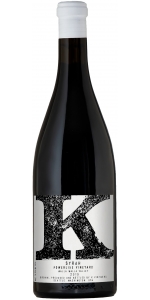
Charles Smith K Vintners Powerline Estate Syrah is made from 100 percent Syrah.
Friendly, approachable and vivacious, yet also dark and mysterious. Black cherry, allspice, black ash, and orange blossom. Thyme and flint with ark fruit, cedar, kelp, black pepper, juniper, crushed rock, and tons of complex floral notes. Fear not, embrace it.
While just bottled a week before this tasting, the 2019 Syrah Powerline Vineyard certainly wasn't showing any worse for it, offering a stunning bouquet of ripe red and black fruits as well as white pepper, sandalwood, tobacco, and new leather. Pure, medium to full-bodied, and vibrant, with supple, polished tannins, this brilliant Syrah is going to keep for 10-12 years, if not longer.
-Jeb Dunnuck 97 Points
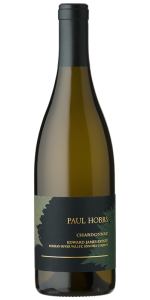
Paul Hobbs Edward James Estate Chardonnay Russian River Valley is made from 100 percent Chardonnay.
This small five-acre estate named after Paul's great-grandfather, Edward James, rewards us with a chardonnay that is pale straw in color with inviting aromas of lemon zest, red apple skin, gardenia, and honeysuckle. A creamy mouthfeel on the palate evolves into poached pear, ginger spice, and brioche that come together with a crunchy acidity and lively finish.
Review:
The 2022 Chardonnay Edward James Estate was named after Paul’s grandparents on his father’s side and originates in a vineyard planted entirely to Hyde Wente clone of Chardonnay. It was raised in French oak for 18 months on the lees. In the glass, it’s highly expressive and layered with aromas of toasted spice, incense, honeysuckle, quince, and preserved citrus. Medium to full-bodied, it has a fantastic, long, supple texture with a linear, crystalline feel, great, evenly fresh acidity, and a salty, mouthwatering finish. This is my favorite of the white wines at this tasting. Drink 2025-2037.
-Jeb Dunnuck 97 Points
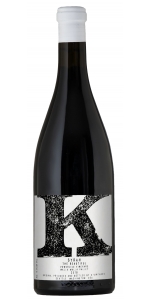
K Vintners The Beautiful Syrah 2018 is made from 97% Syrah, 3% Viognier.
A multi-layered beauty; perfumed, lovely. Super dark rose. Broken, unfiltered cigarette, Amaro. Densely colored with a shimmering red rim. Giving, yet just an inch at a time. One to ponder. One to enjoy.
Review:
The 2018 Syrah The Beautiful Powerline Vineyard comes from a vineyard outside of Walla Walla, in the foothills of the Blue Mountains. It was not destemmed and was brought up in neutral, larger barrels. An exotic nose of ripe blue and black fruits, lavender, sappy flowers, and herbes de Provence-like nuances give way to a medium to full-bodied, richly textured, structured wine with a mouth-filling, layered, meaty style that builds nicely with time in the glass. There's always a sappy, almost herbal edge to this beauty, and it ages beautifully. Feel free to open bottles any time over the coming 15-20 years. It would certainly be hard to pick out in a lineup of top Northern Rhône Syrahs.
-Jeb Dunnuck 97 Points
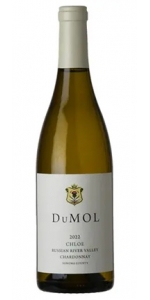
DuMOL 'Chloe' Chardonnay is made from 100 percent Chardonnay.
Our first vintage of Chloe was 2000, and although the vineyard mix has changed over the years, the wine has always focused on the central Russian River Valley district to represent the richest side of DuMOL Chardonnay. The wine has lower acidity than our coastal wines, making it more approachable in its youth, and the flavors focus more on orchard fruits than citrus. The neighboring El Diablo and Flora Marie vineyards sit overlooking the river on gravelly loam soils and provide the wine's deep fruit generosity. These are the first vineyards we harvest each year as the lean soils really advance their crop’s ripening. We offset this fruit richness with grapes from our Green Valley Bressay Estate, which overflow with tense structure and coastal acidity. It’s a seamless combination that produces a thrilling result, and Chloe is the first of our designate Chardonnays you should open each vintage.
The wine’s aromas and flavors are akin to peach, apricot, oatmeal and anise. Fresh thyme and honey notes combine with tangerine and lemon curd. It’s a deeply textural and expansive wine that gently glides along the palate. Lively acidity and spicy notes of ginger and white pepper provide lift and energy to the finish. A beautiful, layered, and richer style to enjoy soon after release. Drink between late-2024 and 2029 and serve no cooler than 55º F.
Review:
A Central Russian River Blend, the 2022 Chardonnay Chloe is a bright yellow hue and captures a wide spectrum of citrus with notes of orange, Meyer lemon, fresh pineapple, toasted spice, and a hint of almond through the mid-palate as well as a nice lift of citrus on the finish. It’s a beautiful wine offering a richer tone through the range. Drink 2024-2034.
-Jeb Dunnuck 96 Points
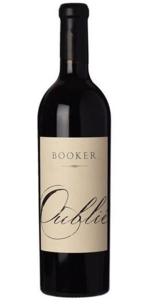
Booker Vineyard Oublie Red is made from 33% Syrah, 30% Grenache, 28% Mourvèdre, 5% Tannat, 4% Petite Sirah
Oublié's blend is always Grenache, Syrah and Mourvèdre – the California version of a Châteauneuf du Pape. The namesake is a play on the French term for "forgotten." Rhône varietals grow beautifully on the estate and Booker believes that they are far-too-often forgotten when you think of a California wine. Deep ruby/purple in color, this hearty expression of a Paso GSM boasts confident notes of boysenberry, licorice and cedar on the nose. On the palate, the taster is rewarded with lively flavors of raspberry coulis mingled with blonde roast coffee and chocolate ganache. For lovers of Mourvèdre, this vintage of Oublié will show off. It drinks bolder than prior vintages, mostly because the Mourvèdre was so special in '19.
Oublié is traditionally one of Booker's most food-friendly wines and should pair well with most dishes.
Review:
The 2019 Oublié is a blend of Syrah, Mourvèdre, Tannat and Petite Sirah with a medium ruby-purple color. The nose offers gregarious mixed berry preserves and accents of potpourri, mint and fragrant earth. The palate offers juicy appeal and powerful fruit with loads of spice and floral perfume, bursts of freshness and firm, pleasantly rustic tannins, finishing very long.
-Wine Advocate 97 Points
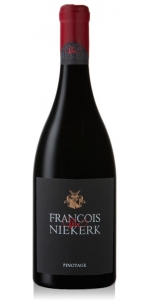
Dense purple hues, with evocative aromas of black cherries, ripe plums, nectarines, boysenberry, wild bramble and exotic oak spice. The juicy and sweet-fruited palate entry, combined with crunchy tannins, lures one into a sense of overtness, yet the wine is sublimely elegant and poised. The complex layers of fruit is in perfect harmony with the oak, all bound together by a lively seam of acidity. The finish is pleasantly dry and savory, with lingering notes of Christmas cake and vanilla pod.
Pair with barbequed meats, especially venison and beef / bobotie / lamb curry / seared tuna / spicy Asian-styled cuisine / aromatic curries / duck with sweet plum sauce / beef or lamb burgers / pizza
Review:
"A full-bodied and brooding wine. Precisely balanced with red cherries, blueberries, coffee, and chocolate with silky tannins and refreshing sour cherry acidity. Serious pedigree here."
- Decanter WWA 2021, 96 points and Gold Medal
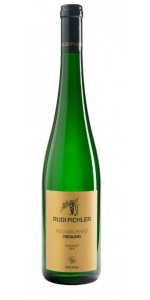
Wachau Riesling is dry and often defined by high levels of dry extract (due to a lengthy ripening period) and a pleasing freshness (due to dramatic temperature swings between day and night). Sedimentary soils of sand and stone give Kirchweg Riesling a dense mineral texture and fine fruity flavors.
Review:
Welcome to the dark side of Wachau dry riesling! Deep and delicately spicy nose that’s full of mystery. Incredible concentration and massive wet stone character on the very precise medium-bodied palate. Radical mineral energy and garden herb freshness at the enormously long and tightly-focused finish.
-James Suckling 98 Points
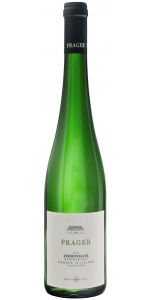
Franz Prager, co-founder of the Vinea Wachau, had already earned a reputation for his wines when Toni Bodenstein married into the family. Bodenstein’s passion for biodiversity and old terraces, coupled with brilliant winemaking, places Prager in the highest echelon of Austrian producers.
Smaragd is a designation of ripeness for dry wines used exclusively by members of the Vinea Wachau. The wines must have minimum alcohol of 12.5%. The grapes are hand-harvested, typically in October and November, and are sent directly to press where they spontaneously ferment in stainless-steel tanks.
Zwerithaler is a sub-site of Buschenberg and sits to the east of Weißenkirchen. The name Zwerithaler, meaning "nestled between the valleys," is a near monopole of Weingut Prager. It has a complex soil of paragneiss with alternating layers of dark and calcareous rock. Zwerithaler Kammergut is a 0.34-hectare parcel planted before WWI. The wine from these ungrafted, 100-year-old vines was bottled separately by Prager for the first time in 2015.
Light greenish yellow, silver reflections. Fine savory, delicate nuances of anise, tobacco notes, delicate yellow fruit, a touch of mango and honey blossom. Full-bodied, juicy white apple fruit, well-integrated, silky acidity structure, finesse and long persistence, saline finish, lingers for minutes, Veltliner at its best.
-Falstaff 99 Points
"The aromas of this old-vine gruner veltliner leap out and shake you to the core. Full-bodied and full of weighty and balanced layers of papayas, mangoes, nectarines, chives, white tea and oranges. Fantastic concentration, giving so much pleasure already, but it will keep blossoming if you give it time. From vines planted in 1907. Sustainable. Drink or hold."
-James Suckling 98 Points
Wachau Riesling is dry and often defined by high levels of dry extract (due to a lengthy ripening period) and a pleasing freshness (due to dramatic temperature swings between day and night). Sedimentary soils of sand and stone give Kirchweg Riesling a dense mineral texture and fine fruity flavors.
Review:
I love the deep and delicate, peachy nose of this extremely attractive Wachau dry riesling. Wonderful fresh fruit with a touch of mint and lemon balm on the ripe but rather sleek and very precise palate. The power and concentration show themselves first at the stunningly long and pristine finish.
-James Suckling 96 Points
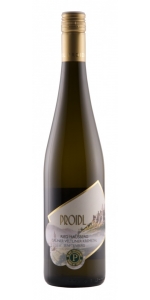
Proidl Gruner Veltliner Ried Hausberg Kremstal DAC is made from 100 percent Gruner Veltliner.
Medium yellow green colour with silver reflections. Ripe tropical fruits, a bit of candied clementines, a bit of apricot, dark minerality, inviting bouquet. Juicy, elegant, fine acidity, mineral and salty, a touch of yellow apples, lingers long, versatile.
Review:
"Medium yellow green colour with silver reflections. Ripe tropical fruits, a bit of candied clementines, a bit of apricot, dark minerality, inviting bouquet. Juicy, elegant, fine acidity, mineral and salty, a touch of yellow apples, lingers long, versatile. - Peter MOSER"
- Falstaff (April 21st 2023, Kremstal DAC Cup 2023), 92 pts
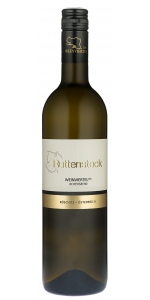
Ruttenstock Gruner Veltliner Ried Reipersberg DAC is 100% Gruner Veltliner.
The wine offers a touch of pear, spice and dried fruit aromas on the nose, and exotic fruit characters.
Minerality emerges from the primary rock soils, followed by an elegant and lively finish.
Pairs well with chicken and pork dishes.
Leindl Gruner Veltliner Seeberg Kamptal is made form 100 percent Gruner Veltiner. Medium yellow green. Fine yellow apple fruit, delicate hint of quince and honey, candied orange zest, highly attractive bouquet. Juicy, good complexity, extract core sweet, silky texture, fine acidity bow, fine and salty minerality, great length, secure aging potential, a very finesse Veltliner-style.
Review:
"Here’s a wonderfully cool and elegant Gruner Veltliner with mountain freshness that makes it very enticing. Medium-bodied and quite sleek, but with a touch of marzipan richness on the mid-palate, then a stunning wet-stone freshness in the long and polished finish. Drink or hold. - Stuart PIGOTT"
- James Suckling (October 10th 2024), 95 pts
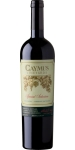
Winery Notes:
Each year, we set aside the best barrels of our Cabernet Sauvignon from Napa Valley to produce Special Selection. Distinguished by extremely fine, velvety tannins and enjoyable upon release or with aging. A wine of structure with intense concentration of supple flavors and dark fruits. Special Selection is the only wine in the world honored twice as Wine Spectator magazine’s “Wine of the Year.”
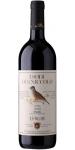
Castellare di Castellina 'I Sodi di San Niccolo' Toscana IGT is a blend of Sangioveto (85%-90%) and Malvasia nera (15-10%)
Intense ruby red in color and with a great olfactory concentration, thanks to the presence of a ripe red fruit that leads to notes of jam, but also spices, vanilla and licorice. In the mouth the wine is characterized by a dense and elegant texture, also supported by the important acidity of the Sangiovese, the tannins are absolutely sweet and the finish is long and of great persistence.
Excellent with cured meats and savory meats, with succulent dishes and mature cheeses. Much appreciated when paired with Tuscan Pecorino and Parmigiano.
The masterpiece of Castellare, I Sodi di San Niccolo, has twice placed in the top 100 of Wine Spectator, and has been awarded “Three Glasses” by Il Gambero Rosso.
I Sodi di San Niccolo is produced solely with native varieties: 85-90% of Sangioveto and 10-15% of Malvasia Nera, I Sodi comes from the two best crus of the farm.
The word "I Sodi" was used by the Tuscan farmers to describe those grounds which had to be processed by hand, being too hard (in fact firm) or too steep to allow for the employment of the horses, unlike the "fields" that make the grounds more easily cultivable.
Reviews:
Packed with ripe, juicy cherry, blackberry, pomegranate and floral aromas and flavors, this red is supple and beautifully integrated. Earth, iron and tobacco accents add detail as this winds down on the lazy, resonant aftertaste, showing terrific energy. Sangioveto and Malvasia Nera. Best from 2026 through 2043.
-Wine Spectator 97 Points
#35 Wine Spectator Top 100 of 2024
Vinous 97+ Points



