
" We don't sell the wine without touching the vine "
| BUY MORE! SAVE MORE! | ||||||||||||||||||||
|
| Country: | Austria |
| Region: | Weinviertel |
| Winery: | Ruttenstock |
| Grape Type: | Gruner Veltliner |
| Organic: | Yes |
| Vintage: | 2024 |
| Bottle Size: | 750 ml |
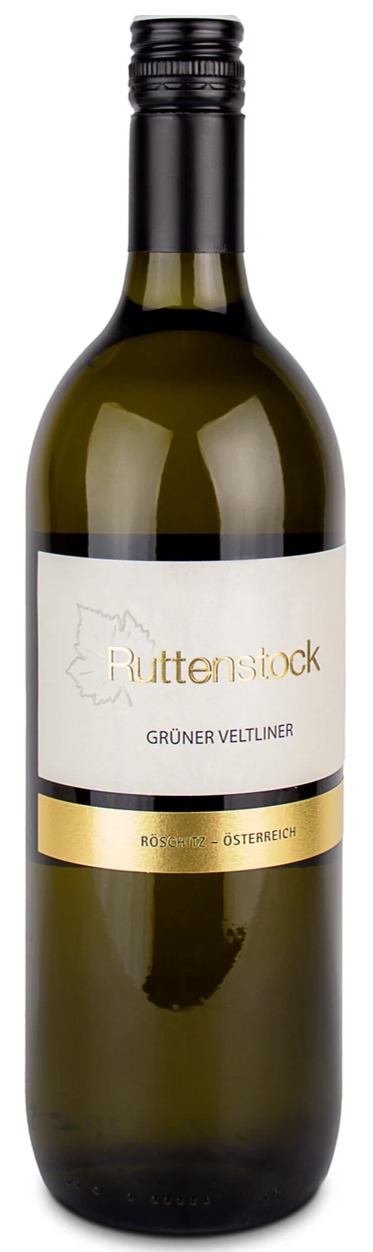
Ruttenstock Gruner Veltliner is made from 100 percent Gruner Veltliner.
Very fruity and light Gruner Veltliner with fresh aromas of citrus and green apples. Crisp on the palate with lively acidity structure.
Pair with cold appetizers, soup, fish, vegetables, salad.
Mathias Ruttenstock, 4th generation winemaker in Röschitz in the Weinviertel region of Austria. He has been in charge of the winery since 2011, following the footsteps of his father, grandfather and great grandfather. Mathias gained his experience by working with Anton Bauer in the Wagram and through internships at Roman Pfaffl and Julius Klein.
The vineyard is small, with only 42 acres and a total production of 80,000 bottles. The vast Weinviertel stretches from the Danube valley in the south to the Czech border in the north, and from the Manhartsberg in the west to the border of Slovakia in the east. The Weinviertel is mostly known for Grüner Veltliner and the first DAC in Austria. If the label reads Weinviertel DAC it is always 100% Grüner Veltliner. A highlight of the western part of Weinviertel is the area around the historic winetrading town of Retz, with its labyrinth of underground wine cellars.
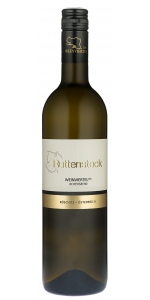
Ruttenstock Gruner Veltliner Ried Reipersberg DAC is 100% Gruner Veltliner.
The wine offers a touch of pear, spice and dried fruit aromas on the nose, and exotic fruit characters.
Minerality emerges from the primary rock soils, followed by an elegant and lively finish.
Pairs well with chicken and pork dishes.
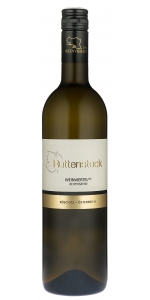
Ruttenstock Gruner Veltliner Weinviertel Klassik is a white wine made of 100% Gruner Veltliner.
The wine offers a touch of pear, spice and dried fruit aromas on the nose, and exotic fruit characters.
Minerality emerges from the primary rock soils, followed by an elegant and lively finish.
Good food companion to many dishes; chicken, pork, fish or cold appetizers.
Wimmer Gruner Veltliner is made from 100 percent Gruner Veltliner.
Crisp lime flavors, white pepper and lentils, followed by a mouthful of mineral notes and gooseberry. A long lingering finish
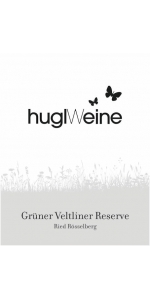
Hugl Rosselberg Horse Hill Gruner Veltliner is made from 100% Grüner Veltliner
A powerful, very ripe Grüner Veltliner, intense and full-bodied with a long finish.
The ripe grapes are processed very gently with 12 hours on the skins and then vinified in Stainless Steel tanks. No Oak.
A firm mineral backbone, gives it the strength of character to work well with many cuisines.
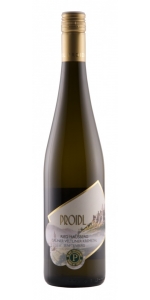
Proidl Gruner Veltliner Ried Hausberg Kremstal DAC is made from 100 percent Gruner Veltliner.
Medium yellow green colour with silver reflections. Ripe tropical fruits, a bit of candied clementines, a bit of apricot, dark minerality, inviting bouquet. Juicy, elegant, fine acidity, mineral and salty, a touch of yellow apples, lingers long, versatile.
Review:
"Pale green yellow colour, silver reflections. Delicate meadow herbs, a hint of yellow tropical fruits, ripe mango, and candied lime zest. Complex, delicately savoury, white fruit nuances, fine acidity, salty finish, subtle fruit sweetness in the aftertaste. - Peter MOSER"
- Falstaff (April 18th 2025), 92 pts
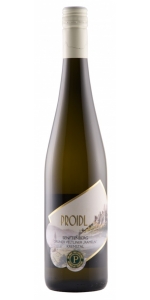
Proidl Gruner Veltliner Rameln Kremstal DAC is made from Gruner Veltliner.
Proidl Senftenberg Gruner Veltliner RAMELN Kremstal DACBright yellow green colour with silver reflections. Fine tobacco savouriness, a bit of blossom honey, a hint of guava and pear touch, tangerine zest in the echo. Juicy, powerful, a bit tobacco, a touch of tropical fruits on the finish, mineral and salty in the aftertaste, a good food wine
Review:
"Light yellow green colour, silver reflections. Delicate blossom honey, a hint of apricots, candied orange zest, floral touch, juicy, elegant, ripe yellow apples, delicate fruit sweetness, fine acidity, mineral and persistent, already well developed, has good ageing potential. - Peter MOSER"
- Falstaff (April 18th 2025), 92 pts
J Lohr Signature Paso Robles Cabernet Sauvignon is made from 80% Cabernet Sauvignon 6% Cabernet Franc 6% Saint Macaire 4% Petit Verdot 4% Malbec.
J. Lohr Signature Cabernet Sauvignon was first produced to honor the 80th birthday of founder Jerry Lohr. This limited release was specially selected and blended from the exceptional 2016 vintage in Paso Robles. It is both a tribute to Jerry's pioneering efforts in the region and our red wine portfolio's ultimate expression of Cabernet Sauvignon. VINEYARDS & CELLAR Beck Vineyard, in the Creston District of Paso Robles, is a unique, high elevation site that sits at 1,700 feet above the early morning fog line. Its calcareous soils and cooling afternoon winds are perfect for growing Cabernet Sauvignon. The Cabernet from this vineyard ripens early with excellent color, purity of fruit, and phenolic maturity. Incorporation of Cabernet Franc brings freshness to the blend, while the rare Bordeaux variety, Saint Macaire, brings density and a savory character. Petit Verdot and Malbec add structure, color, and a component of bright fruit. The hand-harvested grapes were held separate at harvest and berry-sorted into six-ton open top tanks for fermentation. Maceration took place on the skins for five days, before early pressing to achieve ideal tannin extraction. Aged 19 months in 100% new French oak from coopers Nadalie and Sylvain.
Review:
The nose on this luxury-level bottling is pure and refreshing, offering aromas of black cherry, loamy soil, dried mint and caramel-laced coffee. The palate is framed by upright tannins, yet is soft enough to enjoy now, showing deep flavors of black currant, dried herb, milk chocolate and toffee. Drink 2020–2040.
-Wine Enthusiast 95 Points
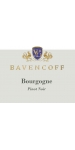
Bavencoff Bourgogne Pinot Noir is made from 100 percent Pinot Noir.
Color of medium intensity, purplish in its youth at present, changing to ruby then garnet, after several years in the bottle.
The nose offers intense aromas of cherries, kirsch and fresh strawberry. The palate is the perfectly balanced between round tannins and an elegant freshness. It is harmonious and medium-bodied with a silky and elegant texture and a delicious lingering finish.
Alcoholic fermentation in stainless tanks for 3 weeks. Malolactic fermentation : 80% in stainless tank and 20% in one year old casks (Allier).Manual harvest.
Produced from 100% Pinot Noir planted on clay and limestone soils.
Grilled or boiled red meats, roasts, mild game, soft cheeses like Camembert and Brie.



