
" We don't sell the wine without touching the vine "
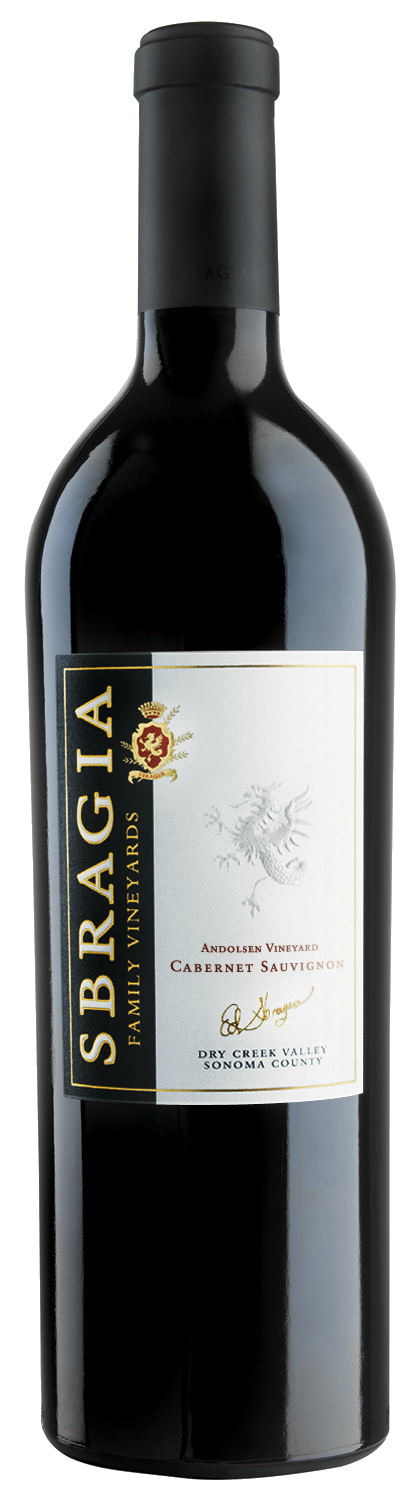
| Country: | United States |
| Regions: | California California (Sonoma County) |
| Winery: | Sbragia Family Vineyards |
| Grape Types: | Cabernet Franc Cabernet Sauvignon |
| Organic: | Yes |
| Vintage: | 2010 |
| Bottle Size: | 750 ml |
Winemaking: This wine is a classic Bordeaux blend of 78% Cabernet Sauvignon, 10% Malbec, 8% Merlot, 2% Cabernet Franc, 2% Petit Verdot.
. The 2010 growing season was moderate, thus promoting slow ripening and full flavor development. We hand-harvested and fermented each variety separately, then moved the wines to barrel, where they aged twelve months. Once we determined our blend, we returned the wine to barrel for an additional twelve months, to 'marry' the varietals. We used tight-grained French oak barrels (45% new) from coopers Taransaud, Vicard and Bossuet.
Winemaker Notes:
Complex, rich aromas foretell rich flavors of black currants, allspice and a hint of clove. The wine is full bodied, with velvety texture, smooth tannins and an extensive finish. Beautifully balanced, this Cabernet will age for ten more years.
Alcohol: 14.25 percent by volume
Review:
"Savory, dried red capsicum with cedar, cocoa powder and dried mushrooms on top of black cherries. Juicy and layered with some currants and savory earthy spices on the palate. Not quite deep, but a very elegant and savory expression of cabernet with a very long, subtle finish. A little sweet-sour, but quite refined and approachable, too. Drink now."
- James Suckling (June 2022), 93 pts
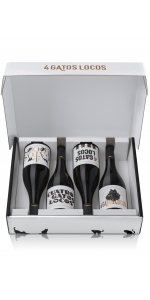
4 Gatos Locos Cabernet Sauvignon Gualtallary is made from 100% Cabernet Sauvignon.
4 Gatos Locos is a project created by Gabriel Bloise, Facundo Bonamaizon, Mariana and Juan Pelizzatti - winemaker, viticulturist and founders of Chakana Winery (respectively). The project centers on a 20-hectare vineyard in Alto Gualtallary, the most prominent growing region in Argentina. The vineyard is situated 1,360 meters above sea level, on a 10% slope on the Sierra del Jaboncillo - a relatively old geological formation near the alluvial fan of the Las Tunas river, in the Tupungato area. The long exposure to arid conditions of calcium rich gravel has created one of the most calcium carbonate-rich areas in Mendoza. This combination of altitude, slope, gravel and the calcium carbonate create uniquely deep, textured wines, with intense color and mineral freshness. Moderate high temperatures controlled by high altitude in sunny conditions produce perfectly ripe grapes of unusually intense color and great vitality, balanced by the mineral freshness of calcium carbonate. Local aromatic plants, naturally occurring in native vegetation areas interspersed in the vineyard, give the wine a unique herbal touch that underline the character of the place.
Deep purple red colored with intense complex notes of red berries and spice, well integrated aromatic oak and very fine tannins structuring a powerful and elegant palate.
Four or more bottle orders will include the box the wine comes in.
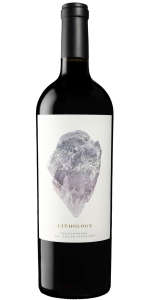
Alejandro Bulgheroni Lithology Beckstoffer Dr. Crane Vineyard Cabernet Sauvignon 99% Cabernet Sauvignon, 1% Cabernet Franc.
Here the Cabernet comes to us typically flawless, and the wines are as such. There is blue fruit, blueberries, black plums, blackberries, and cassis to the aromas, as well as stones, mineral, chocolate, fresh tobacco, and subtle herbs. It is incredibly full-bodied, but at the same time effortlessly drinkable, with ultra-smooth tannins and a positive, long, upturned finish. 70-75% new French oak is the norm for us with Dr. Crane, and those flavors are absorbed to become a vanillin complexity, sweetness, and length. An unbelievable wine.
Review:
You don’t see many Cabernet Franc-dominated wines from this site, but the 2019 Cabernet Franc Lithology Beckstoffer Dr. Crane Vineyard is certainly impressive. Offering more herbal, chocolate, gravelly earth, and espresso aromas and flavors, it has full-bodied richness and, as expected, is a powerful, opulent expression of this noble variety. The blend is 83% Cabernet Franc and 17% Cabernet Sauvignon, aged 20 months in 80% new French oak. It will benefit from short-term bottle age and drink nicely for 20 years.
-Jeb Dunnuck 97 Points
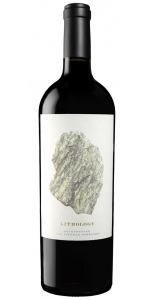
Alejandro Bulgheroni Lithology Beckstoffer Las Piedras Cabernet Sauvignon is made from 100 percent Cabernet Sauvignon.
From a St. Helena vineyard planted by early Napa settler Edward Bale more than 150 years ago, and later serving as the estate vineyard for the area’s first winery built by Henry Pellet in 1860, the Las Piedras site always gives us our prettiest wine. When placed next to Dr. Crane and To-Kalon wines, the Las Piedras show a certain elegance, with a very graceful entry and finely detailed complexity. We produce it with at least 75% new French oak, so there is a floral, spicy, and vanilla accent to the intense red and black fruits, cassis, and black cherry liqueur. What distinguishes this bottling is the beautifully fine tannins, delicate texture, and stunning purity. (Less than 100 cases made.)
Fermentation 70% Oak, 24% Concrete, 6% Puncheon
Review:
"The 2018 Cabernet Sauvignon Lithology Beckstoffer Las Piedras Vineyard comes from a world-class site outside of St. Helena and is all Cabernet that spent 20 months in 80% new oak. It offers a touch more red fruit as well ample cassis, spring flowers, loamy earth, and spice-like aromas and flavors. It has a wonderful sense of minerality, ultra-fine tannins, a dense, layered texture, and incredibly purity of fruit. It’s another just about off the charts release from this estate."
- Jeb Dunnuck 98 Points
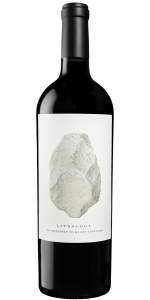
Alejandro Bulgheroni Lithology Beckstoffer To Kalon Vineyard Cabernet Sauvignon is made from 100 percent Cabernet Sauvignon.
Alejandro Bulgheroni Estate Lithology is a series of single vineyard and AVA-designated wines made from select sites within Napa Valley. Lithology Beckstoffer To Kalon Vineyard is produced solely from fruit grown in the historic Beckstoffer to Kalon Vineyard planted in 1865 by W.H. Crabb and represents Oakville's famous bench land.
Review:
The 2019 Cabernet Franc Lithology Beckstoffer To Kalon Vineyard just shines for its bouquet, which is classic To Kalon with its floral, incense, spicy, red and black-fruited aromatics. These all flow to a medium to full-bodied, utterly seamless Cabernet Franc that’s balanced, has laser-like precision, and a great finish. This isn’t the biggest or richest wine in the lineup, but it’s Cabernet Franc in all its glory, with soaring aromatics and complexity, ample richness and texture, and a beautiful sense of finesse and elegance. It’s going to keep for 15-20 years with no issues.
-Jeb Dunnuck 98 Points
Composed of 90% Cabernet Sauvignon and 10% Cabernet Franc, the 2019 Lithology Cabernet Sauvignon Beckstoffer To Kalon Vineyard is a barrel sample with a deep garnet-purple color. It needs a fair bit of coaxing to unlock scents of blackberry pie, warm blueberries and cassis plus suggestions of spice cake, underbrush, candied violets and chocolate box. The full-bodied palate brings forth loads of earthy layers to accent the rich, black fruits, framed by plush tannins and lovely freshness, finishing long and fragrant.
-Wine Advocate 97 to 99 points
The 2019 Cabernet Sauvignon Lithology Beckstoffer To Kalon Vineyard is one of the very finest wines I have tasted from Alejandro Bulgheroni's Napa Valley project. The 2019 To Kalon captures all the pedigree of this iconic Oakville vineyard, and yet also remains nuanced and wonderfully finessed for an intense wine. To Kalon Cabernets are rarely this elegant, but the Bulgheroni 2019 sure is.
-- Antonio Galloni 97 Points
Alejandro Bulgheroni Lithology Cabernet Sauvignon is made from 100 percent Cabernet Sauvignon.
We only produced a scant 50 cases of this wine this year, far too small an amount considering how great it turned out. There’s that typical saturated to the rim deep purple color, with intense cassis, herb, and milk chocolate, bricks and forest floor, black plum pudding aromas. In the mouth, there’s a great balance, with notable oak and vanilla notes intertwined with dense black fruits. It’s an opulent and plush style, yet finishes with sweet grippy tannins.
Rated 90
Steve Heimoff, WINE ENTHUSIAST
June 2013
Made in Sbragia’s muscular style, a ripe, flashy wine, with briary blackberry, currant, mocha and oak flavors. The tannins are strong but soft, and the overall impression is complex. Fine now with steak, barbecue, but should gain bottle complexity over the next 5–6 years.
Winemaking
I believe in taking a minimalist approach to this wine in order to preserve the rustic qualities that I love about Dry Creek Cabernet. The 2010 Andolsen Cabernet Sauvignon was aged for 18 months in 100% French oak barrels, imparting cedar and brown spice aromas and flavors and supple tannins. The wine underwent malolactic fermentation which softened the tannins and contributed to a rich, lengthy finish. Adam and I blended in a small amount of Cabernet Franc to add structure and subtle complementary herbal characteristics.
Winemaker Comments
Dry Creek Cabernets have a distinctive profile that I have always loved and this Cabernet showcases the best of those characteristics. Sweet red fruit and anise aromas are followed by bright acidity, plush flavors of black fruit and sweet spice. The tannins are complemented by a supple mouth feel and an elegant finish.
Sbragia Family Vineyards Estate
Sbragia Family Vineyards is located in the beautiful Dry Creek Valley and is where winemakers, Ed and Adam Sbragia, make their limited production wine. A third generation Dry Creek Valley vintner, Ed is well known for his position as Winemaster at Beringer Vineyards in Napa. He began working at Beringer in 1976, working under legendary winemaker, Myron Nighingale. During his career, Ed has become one of California’s most talented and respected winemakers. The Sbragia family history runs deep in the Dry Creek Valley. Ed’s grandfather came to the valley from Tuscany in 1904, where he worked in wineries, starting at the Italian Swiss Colony. Ed’s father, Gino, acquired his own vineyards near Healdsburg, growing zinfandel grapes for sale and home winemaking. "He made excellent wine," says Ed, "and he taught me that making wine is a very natural process – that good grapes and good techniques will always make good red wine."
In 2001, Ed created his own label, Sbragia Family Vineyards, to focus on making limited, individual lots of wine from grapes grown in select blocks of his favorite vineyards in Dry Creek, Napa, and Sonoma. Five of the wines, including Sauvignon Blanc, Chardonnay, Merlot and two Zinfandels, are sourced from Sbragia family-owned estate vineyards that range in size from five to thirteen acres. Like his tenure with Beringer, Ed continues to make “big reds,” including Cabernets from Howell Mountain, Mt. Veeder, Sonoma Mountain and Alexander Valley. The wines all exhibit Ed’s distinctive and acclaimed style – big, rich, balanced and polished.
The Sbragia Family Vineyard
At Sbragia Family Vineyards, we source grapes from about 50 acres of family-owned vineyards the Sbragias have been farming for over 100 years in Historic Dry Creek Valley. Ed & Adam also purchase grapes from their favorite vineyards throughout Sonoma and Napa Valleys. I’ve always had one foot in Sonoma and the other in Napa. Both areas mean a lot to me emotionally. I’m more attached to Dry Creek because it’s where I raised my kids. But the wines that I’ve made at Beringer are like children, so Napa is also a very special place to me.
Dry Creek Valley:
Dry Creek Valley, a premium winegrowing region, is located in Northern Sonoma County, California, only an hour north of the Golden Gate Bridge/San Francisco.
Renowned for its idyllic undisturbed beauty, Dry Creek Valley is home to over 9,000 acres of vineyards that carpet the intimate 16-mile long x 2-mile wide valley, floor to hillside. With a grape growing history going back 140 years – one of the longest in California – producing premium winegrapes is core to this region. In fact, the valley boasts one of the densest concentrations of Old Vine Zinfandel in the world.
Alexander Valley:
Located at the northern end of Sonoma County, the Alexander Valley is 22 miles long and varies in width from two to seven miles. On the hillsides to the east and west, and adjacent to the beautiful Russian River winding along the valley floor, the valley is home to a diversity of microclimates that support the growth of many wine grape varieties including Cabernet Sauvignon, Zinfandel, Chardonnay, Sauvignon Blanc, and many more.
Sonoma Valley:
The Sonoma Valley AVA centers on the Sonoma Valley (also known as The Valley of the Moon) in the southern portion of the county. The appellation is bordered by two mountain ranges: the Mayacamas Mountains to the east and the Sonoma Mountains to the west.
Along with being the area where so much of Sonoma County's winemaking history took place, the area is known for its unique terroir, with Sonoma Mountain protecting the area from the wet and cool influence of the nearby Pacific Ocean.
One finds a wide disparity between valley floor and mountain soils; those found in flatter, valley areas tend to be quite fertile, loamy and have better water-retention while the soils at higher elevations are meager, rocky and well-drained. In general, the structure, rather than the composition of the soil, is the deciding factor where grape plantings are concerned.
Napa Valley:
Though just 30 miles long and a few miles wide, Napa Valley is home to diverse microclimates and soils uniquely suited to the cultivation of a variety of fine wine grapes. Among the internationally acclaimed wines produced in this small region are Cabernet Sauvignon, Merlot, Pinot Noir, Chardonnay, Sauvignon Blanc, Zinfandel and Cabernet Franc.
Ossian Capitel Verdejo is made from 100% Verdejo.
Ossian Capital represents a particular expression of very old Verdejo vines, taking its potential far finesse, elegance and longevity. It is made in selected years with a selection of extraordinary grapes.
Color: Old golden yellow color with greenish reflections.
Aromas: Surprisingly nuanced and profound.
Flavors: Fresh, full and very light.
Review:
"The 2020 Capitel is pure Verdejo from the oldest vines from the Peña Aguda vineyard in the village of Nieva on slate soils. This is the last vineyard to be bottled and has higher alcohol (14%) than the rest of the vineyards despite now harvesting earlier. The wine has a different aromatic profile but getting closer to the style of Ossian, less opulent than in the past, with more energy, quite fruit-driven with some exotic notes reminiscent of banana skin. The whole clusters were pressed and the juice put to ferment in barrel where the wine matured with the lees and, starting this year, without bâtonnage, because they feel the wines have enough volume and stirring the lees can bring more oxidation to the wine. 2,500 bottles produced. - Luis GUTIERREZ"
- Robert Parker's Wine Advocate (January 31st 2023), 93+ pts
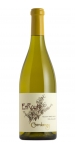
EnRoute Winery Brumaire Chardonnay is made from 100 percent Chardonnay.
From the inviting lemon peel and passion fruit perfume to the silky palate filled with notes of tropical guava, white peach blossom, and nectarine, the 2020 EnRoute Brumaire is at once opulent and elegant. Full and generous, with juicy acidity, cool mineral accents – think wet slate and crushed shell – and a lifted vanilla and toffee finish, this is a vintage with presence.



