
" We don't sell the wine without touching the vine "
Schramsberg’s founders, Jack and Jamie Davies were determined to seek out a simpler, more meaningful life. In 1965, after a yearlong search, they discovered a run-down winery on the mountainside above St. Helena. The 19th century Victorian mansion presided over the tangled remains of once stately gardens and underground cellars. The historic Schramsberg property had been abandoned for years, but the Davies were looking for a challenge. On that day they decided Schramsberg would be brought back to life.
The Davies had an ambition to make wine, but not just any wine. They were setting out to produce a world-class sparkling wine, and it was a lofty goal. Later that year, the 1965 Blanc de Blancs came to be, and would be the first commercial use of Chardonnay in American sparkling wine.
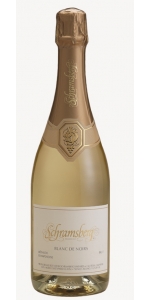
Blanc de Noirs (white from black) is the counterpart to Blanc de Blancs (white from white). Made primarily from the red grape Pinot Noir, this is a complex, medium-bodied, brut sparkling wine that is aged on the yeast lees in the bottle for two to three years prior to disgorgement.
Reviews:
"Lively and refined but festive, with pretty accents of strawberry, lemon, apple and graham cracker that sail on the crisp yet supple finish."
— Wine Spectator 93 Points
-75x150.jpg "Roland Champion Champagne Non Vintage Brut Rose Carat NV(magnum)")
Roland Champion Champagne Non Vintage Brut Rose Carat (magnum) is made from 33% Chardonnay, 33% Pinot Meunier and 33% Pinot Noir
The Champagne rose shows an orange salmon color coming from the red wine base. The pinot meunier brings red fruit aromas of strawberry and raspberry with hints of spices. The palate is juicy and harmonious with good depth and minerality. A delicate balance between Chardonnay, Pinot Meunier and Pinot Noir.
It is a blend of 93% White juice (made from 33% Chardonnay, 33% Pinot Meunier and 33% Pinot Noir) and 7% Pinot Noir red wine. The grapes used to produce the Coteaux Champenois red wine are coming from their vineyards near the Village of Verneuil.
Review:
"Eye of the partridge color. With a bouquet that evokes leesy hints of red cherry and berry with a touch of stone fruit, this is a finely sculpted wine, beautifully balanced with rich flavors of cherry, shortbread,and a hint of honeyed apricot. A rosé Champagne that’s complex and dry with good palate depth and length. A blend of 20% Chardonnay, 40% Pinot Noir, and 40% Pinot Meunier; 7-85% of the juice is red wine (Pinot Noir) from 2013 vintage of Coteaux Champenois Rouge from the village of Verneuil. 3+ years on the lees." - I-WineReview (Champagne: Diversity and Change, January 2020), 92 pts
"A delicate, subtle Champagne, delivering aromatic notes of mulling spices and yeast that accent the flavors of kirsch, bread dough, candied lemon zest and rose petal. This is finely tuned, with lively acidity and a minerally finish. 330 cases made. –AN"
- Wine Spectator , 91 pts
"Bright orange. Aromas of blood orange, dried rose, allspice and minerals, with a subtle note of anise. Juicy and precise, with very good depth to its spicy red berry and citrus pith flavors. Finishes smooth and long, with excellent clarity and lingering spiciness."
- Stephen Tanzer's International Wine Cellar , 91 pts
"Champion is a small grower in Chouilly, in the Cotes des Blancs, an area known for fantastic chardonnay. This rosé — of which he makes only about 330 cases — includes 10 percent red wines (pinot noir, pinot meunier) to give it a pale, salmonlike color and a beguiling palate of cranberries, strawberries and currants. Wow. And yum."
- Washington Post, ***
Belle Glos Clark and Telephone Vineyard Pinot Noir is made from 100 percent Pinot Noir.
The Clark & Telephone Vineyard was established in 1972 and planted with “own root” Martini clone vines. Located just 13 miles from the ocean and situated on a west-facing slope, this vineyard experiences weather patterns that pull from west to east to bring cool fog and coastal breezes inland until August when Santa Ana winds begin.
We harvested early in the morning so the fruit would arrive at the winery while the grapes were still cool to preserve their vineyard-fresh flavors. After destemming (but not crushing) the berries, we cold-soaked the must for 14 days to soften the skins and allow for ideal extraction. During fermentation in a combination of closed and open-top stainless steel fermenters, we used both punch-down and pump-over techniques to extract color and phenolics. We aged the wine in 100% French oak (60% new) for up to 12 months. After the wine underwent malolactic fermentation, we racked it twice before bottling.
Deep ruby red in color with lush aromas of ripe cherry, nutmeg, dark chocolate and holiday baking spices. Bold and complex flavors of black plum, crushed raspberry and blueberry pie linger on the palate. The texture is rich and lively, and leads into a warm and structured finish.



