
" We don't sell the wine without touching the vine "
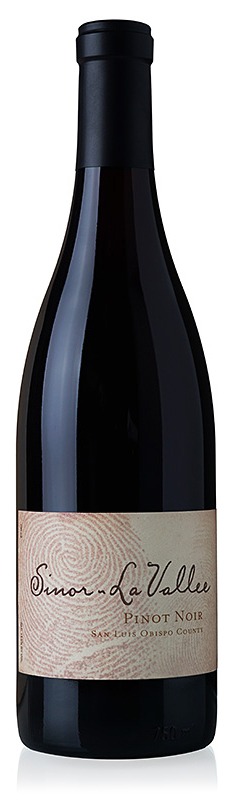
| Country: | United States |
| Region: | California |
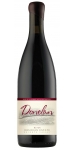
| Winery: | Sinor-Lavallee |
| Grape Type: | Pinot Noir |
| Organic: | Yes |
| Vintage: | 2017 |
| Bottle Size: | 750 ml |
The nose here is brilliantly red fruited, with layer upon layer of subtle spice, bright floral notes, herbs, and stone. Its not all poetry and pageantry, though, and the first impression of the wine was simply, “oh that’s goooood.” A fair assessment, and sometimes that it all one requires. Further tastes show fine tannin throughout, a juicy, vibrant mouthfeel that is very likeable, and deft, long-developing layers of fruit that reveal themselves severally.
Patton Valley's flagship wine, The Estate is the most comprehensive expression of their vineyard site, and the wine that truly defines their place in a given vintage.
Review:
"Glistening red. Vibrant red fruit, floral and spice scents show very good clarity that picks up subtle hints of succulent herbs and smoky minerals with air. Juicy and energetic in the mouth, the 2017 offers gently sweet cherry raspberry and rose pastille flavors and a touch of spicecake. Smooth, well-integrated tannins make a late appearance on a long, floral-tinged finish that shows no rough edges.
- Josh Raynolds" - Antonio Galloni's Vinous (August 2020), 92 pts
Bright fruit on the nose boasts notes of black cherry, black plum, violets, rose, orange, cocoa nibs, tobacco, mushroom and forest floor. On the palate, complex layers of fruit slowly melt into a bold, structured wine that impresses from start to finish. Velvety tannins interact gracefully with the wine’s fruit and acidity, all coming together to create a delightful wine and a beautiful expression of Willamette Valley Pinot Noir.
Review:
The 2021 King Estate ‘Domaine’ Pinot Noir was stored in 26% new French oak before bottling and represents the top one percent of Estate Pinot Noir barrels. Red currants combine with freshly tilled soils, Black cherry and shades of dried herbs. The palate is soft and refined with silky tannins that frame a core of red and dark fruit flavors. Finishing long, with good viscosity, this is already sgiwubg beautifully right now.
Owen Bargreen 94 Points
Solomon Hills Estate Pinot Noir is made from 100 percent Pinot Noir.
Solomon Hills Pinot Noir is always distinctive and singular in its ability to harness the Coastal influence of Santa Maria Valley. Earth tones alongside briar bush and blueberries contrast aromas of forest floor and fired red clay. The noticeable savory elements of cracked black pepper and teriyaki beef nicely balance ripe cherries and blackberries on the palate.
Review:
I loved the bouquet of the 2021 Pinot Noir Solomon Hills, a light ruby-hued effort with perfumed darker cherry, mulberry, leafy herb, and smoked earth nuances. It's medium-bodied, has a layered, seamless texture, integrated tannins, and a gorgeous finish. It's absolutely brilliant. Enjoy bottles over the coming decade or more.
-Jeb Dunnuck 96 Points
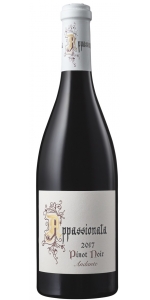
Appasionata Andante Pinot Noir Willamette Valley is made from 100 percent Pinot Noir.
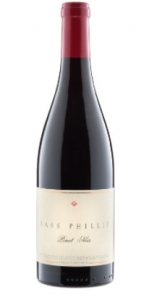
Bass Phillips Estate Pinot Noir is made from 100 percent Pinot Noir.
For this reviewer's money, BP's Estate Pinot offers the best bang for buck. While still a special occasion wine, it's almost as gorgeous as its elder siblings, and crafted for drinking younger. Ironically, it's also the one that takes longest to open up. But when it does, it billows aromas of dried cranberry, cherry preserves, umami-like mushrooms, cocktail bitters and potpourri. The palate is silky with a lift of crystalline acidity, wound ultra fine, talc-like tannins. An iron fist in a velvet glove, this is long and elegant, able to age another 5-7 years but drinking beautifully right now.
-Wine Enthusiast 95 Points
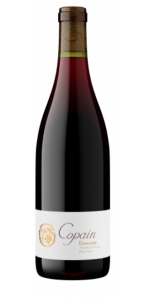
Copain Edmeades Pinot Noir is made from 100 percent Pinot Noir.
This wine embodies everything you love about Anderson Valley Pinot; flavors of strawberry, Rainier cherries with hints of spice.
VINTAGE NOTES:
The 2017 vintage began with significant rainfall prior to bloom, refilling the state’s reservoirs and ending California’s five-year drought. We saw a sudden spike in temperatures just prior to harvest, leading fruit to ripen quicker than anticipated. This sped up our harvest schedule, but due to our team’s vigilance, the fruit was still able to be picked at optimal ripeness. Temperatures then cooled back down by mid-September, allowing the remaining vineyards to complete ripening at an ideal pace. The rest of harvest was finished as planned, with yields coming in at their typical levels.
The historical Edmeades Vineyard sits along the western side of the small town of Philo in what’s known as the “deep-end” of Anderson Valley. Flanked by the Navarro River, there is a diversity of sandstone soils throughout the vineyard. The Edmeades vineyard is planted with vines facing southwest, allowing this vineyard to receive warmer afternoon weather. This helps to balance the prolonged cool fog influence this vineyard sees throughout the growing season.
Aromas: Raspberry, dried cherries, pennyroyal, orange zest.
Palate: Medium weight palate with soft tannins. Notes of cherry, pomegranate, and clove with light delicate cola notes on the finish.
Review:
The first vintage for this cuvée from Ryan, the 2017 Pinot Noir Edmeades Vineyard comes from mid-valley and was brought up in 27% new French oak. It's a beautiful wine with blueberry and wild strawberry fruits as well as complex spice, dried flowers, and some loamy soil notes. Medium-bodied, seamless, and silky on the palate, it's a lovely, layered wine that shines for its texture and balanced.
Sinor-LaVallee Pinot Noir is made from 100 percent Pinot Noir.
Sinor-LaVallee Pinot Noir reflects a maniacal attentiveness only possible through sole proprietorship from viticulture through winemaking. The aim was to create a singular Pinot Noir that expresses the totality of Bassi Ranch’s ultra-coastal terroir.
The wine presents jammy red fruit aromas with earth-driven notes of black tea and smoke. The varietal character is deep and pure, while the vineyard’s terroir is undeniable with savory notes of stem and sage. Supple plum and black cherry flavors engage the palate with a trailing suggestion of mixed berry pie. The structure is elegant and unquestionable, carried by mouthwatering acidity and concluding with a rounded, cedary finish.
Sinor-Lavallee is owned by Mike Sinor and Cheri LaVallee and has been in operation since 2013. Sourced exclusively from the Bassi Vineyard near Avila Beach in San Luis Obispo Valley (though not within AVA boundaries), the grapes are planted just 1.2 miles from the Pacific Coast. The wines are classically Central Coast in their expression (Especially the Chardonnay) and offer a nice note of terroir.
Mike Sinor has always been a grinder, a way of life he learned at a young age while working in his father’s auto wrecking yard. He brought that mentality to his first wine harvest in 1993 and never looked back. Through grit and determination, and without formal training, he ultimately became one of the Central Coast’s most decorated winemakers.
Mike married Cheri LaVallee in 1996 in Burgundy, soon after they started their own label. In 2013, Mike and Cheri put everything on the line to acquire the ocean-view Bassi Vineyard near Avila Beach. It was the destination they’d always been seeking—a singular vineyard that they could steward with holistic and meticulous viticulture.
Bassi Vineyard soils are marine in origin. These soils are low in organic material. The underlying bedrock is hard marine sandstone through which the vine roots can barely pass. Yields are inherently limited, producing fruit with natural intensity and vivid site expression.
Bassi Vineyard is farmed organically with biodynamic inputs. These practices are observed, first and foremost, because they help make better wine. No stone is unturned in that pursuit. What is great for the wine is also good for the land and the surrounding environment, so the rewards are ample for keeping everything in balance. No certification has been pursued. All recent plantings have been own rooted.
K Vintners Rockgarden Syrah is made from 100 percent Syrah.
Black plum, Asian five spice, warm turned river stone and taut with tension. Seamless Syrah that persists with black olive, high-polished black shoe leather and beef jerky that keeps going and never gives in.
Review:
Iodine and licorice with crushed-stone and dark-berry character. Full-bodied with chewy tannins that are structured and intense. Flavorful and polished at the end with just a hint of coffee. Drink or hold.
-James Suckling 96 Points
Obsidian Vineyard Syrah is bathed in terroir. The vines experience severe stress, pushing the roots ever deeper through rock in search of water, producing miniature clusters of intense power. Given the wine’s natural propensity for tannin, we take extreme care in the cellar to chisel/whittle its rough edges and leave room for richness to flatter its distinctive scaffold. The mid-palate supports flavors of roasted coffee beans, sarsaparilla, and dark chocolate. The finish marches on long after most wines have tired.
Our estate vineyard — the six-acre Obsidian Vineyard in the Knights Valley AVA — has an incredibly complex soil structure. It takes its name from a layer of volcanic obsidian rock that was discovered when we drilled for water.
Chocolate ganache, black currants, fig, graphite, and an expansive mouthfeel.
Review:
"Joe Donelan believes his Obsidian Vineyard is one of the world’s greatest sites for Syrah. I’ve visited the site twice, and can say candidly it certainly sits among the most striking vineyards I've ever laid eyes on within the U.S. It sits like a rock on a promontory—two switchbacks to reach the top—and the stones under the top soil, quite literally, never stop emerging from the ground. The place has an ancient, almost sacred, temple-like feel. It is consistently swept by afternoon breezes. The vineyard was replanted in 2017 after fires ravaged it. Winemaker David Milner laid out the site at denser spacing than before, at 2,000 vines per acre to keep yields per vine low while still achieving sensible tonnage, averaging around three tonnes per acre. Viognier was planted for co-fermentations, alongside some Cabernet Sauvignon, for a single vineyard bottling of that grape. ‘God put on his viticultural hat when he designed this site,’ says Milner. The vineyard is planted with ENTA 174, 877, and Alban 1 clones, along with Donelan Heritage selections certified virus-free. The wine, the 2023 vintage release (the first from the new vines), was aged for 21 months in 36% new oak and co-fermented with 1.8% Viognier, using 32% whole clusters. And it is positively gorgeous: composed of nine different blocks, each fermented separately, then assembled through sequential blending, with no racking until bottling. From just five-year-old vines, this wine is utterly extraordinary—something oddly achievable from young vines on rare occasion. I tasted this wine from the same bottle over three days. While the high-toned espresso-bean and cedar accents are present at first pull of the cork, they mellow out a day later, and the fruit profile is so vibrant. This is the sign of an excellent wine. I first tasted wines from the Donelan’s Obsidian Vineyard years ago at Tasting Panel Magazine in the late, great Anthony Dias Blue’s office. Cushing Donelan showed the wines, and to this day, I recall the first moment I put my nose into a glass of Obsidian Syrah. In early January of 2026, as I nosed this brand new release of Obsidian Syrah, I was transported straight back to that tasting twelve years ago. What’s remarkable is that the aromatics are unmistakably the same, yet from these new, more densely planted vines, the aromas are more refined—precision-farmed wines from young vines delivering a level of detail and poise that feels beyond their years. So what’s in the glass? Pure red, black, and blue fruit nuances layered with tobacco, white truffle character, violet pastille, and an intoxicating perfume. White pepper notes emerge on the medium- to full-bodied palate, framed by velvety tannins. Iron-like and crushed slate minerality underpins dazzling black cherry and blackberry fruit, brown spices, and blood orange richness. There’s a velvety, iron-fist quality here that exudes polish, complexity, and undeniable quality. You want to drink it now—and you absolutely can—but it will also reward time in the cellar. Either way, you’ll be utterly wowed. And when you realise the price is under £100, the achievement becomes even more staggering. As these vines mature, what will become of them in subsequent vintages? I suspect that as the vines mature, they'll go in and out of phases, but so long as Mother Nature cooperates, I expect this wine to continue to dazzle each vintage. - Jonathan CRISTALDI"
Decanter (January 5th 2026), 100 points
This is the first vintage of the Obsidian Syrah after wildfires torched the vineyard in 2017, leading to significant redevelopment. Throughout all those years, the Donelans have exhibited remarkable patience and a clear sense of purpose. This is their reward: a truly magnificent, towering wine of the highest level.
Knights Valley is one of the most magical grape-growing districts in the United States, but it is not very well known because only a few estate wineries are located there.
The 2023 Syria Obsidian Estate is one of the most profound, moving wines I have tasted in Sonoma County. Blackberry, gravel, incense, chocolate, lavender, and dried herbs race out of the glass. Delicate yet powerful, the 2023 is spectacular. It is also very fairly priced in today’s market.
Vinous 100 Points



