
" We don't sell the wine without touching the vine "
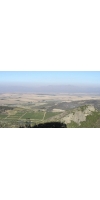
The Swartland Region is about Cape Town in South Africa, and is 31 miles north of Cape Town. Translated to English, Swart means, “Black.” After it rains in the cape in the winter, the Renoster Bos looks dark from a distance and was first called, “Het Zaarte Land,” by the town’s founder, Jan van Riebeeck. The darkness comes from the leaf-hairs that adhere to the leaves in the area when wet.
Wine has been produced in Swartland for centuries, but it was not until the 1980’s that the region began to grow in complexity and importance. The wide fertile plain in Swartland is literally the breadbasket of the region with wheat fields, citrus, vegetables, and vineyards reaching to the base of the mountains.
Viticulture is new in the area and is practiced under dry land conditions with very little irrigation. The under soil is gravel, which promotes good drainage and moisture retention. The Swartland Region has a Mediterranean climate and is ideally suited for the bush vine style of grapes with warm summers and cool winters. The cool southwesterly breezes from the Atlantic coast balance the climate perfectly. With so many microclimates in the region, growers are able to plant a wide variety of vines, producing excellent reds, whites, and roses.
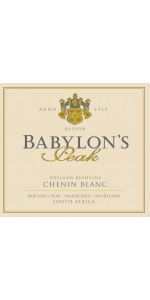
Babylons Peak Chenin Blanc is made from 100 percent Chenin Blanc.
Babylon's Peak winery, situated on the highest weathered granite slopes of the Paardeberg Mountain, is privately owned by the Basson family who has passed down the tradition, passion and art of winemaking over four generations. Predominantly low-yield dryland bushvines are selected to produce these excellent wines with distinctive character.
The Chenin Blanc grapes were picked from very old dryland bushvine vineyards. The vineyard grows on weathered granite soils, contributing to the flavor of the grapes and mineral character of the wine. Production is limited to 5 tons/ha.
The grapes were harvest by hand at 22.1°B. The grapes were destalked and lightly crushed. Only the first 450 litres free-run juice per ton were fermented in stainless steel tanks at a cold temperature (10-12°C) for 21 days. The wines was left on the fermentation lees until bottling.
A crisp, fresh and fruity Chenin Blanc from low-yield dryland bushvines.
Pairs with salads, seafood, chicken and other light dishes. The perfect wine for every occasion.
Babylons Peak Chenin Blanc is made from 100 percent Chenin Blanc.
Babylon's Peak winery, situated on the highest weathered granite slopes of the Paardeberg Mountain, is privately owned by the Basson family who has passed down the tradition, passion and art of winemaking over four generations. Predominantly low-yield dryland bushvines are selected to produce these excellent wines with distinctive character.
The Chenin Blanc grapes were picked from very old dryland bushvine vineyards. The vineyard grows on weathered granite soils, contributing to the flavor of the grapes and mineral character of the wine. Production is limited to 5 tons/ha.
The grapes were harvest by hand at 22.1°B. The grapes were destalked and lightly crushed. Only the first 450 litres free-run juice per ton were fermented in stainless steel tanks at a cold temperature (10-12°C) for 21 days. The wines was left on the fermentation lees until bottling.
A crisp, fresh and fruity Chenin Blanc from low-yield dryland bushvines.
Pairs with salads, seafood, chicken and other light dishes. The perfect wine for every occasion.
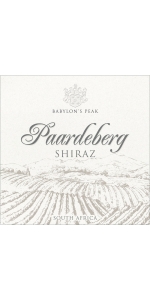
Babylons Peak Paardeberg Shiraz is made from 100 percent Shiraz.
Babylon's Peak winery, situated on the highest weathered granite slopes of the Paardeberg Mountain, is privately owned by the Basson family who has passed down the tradition, passion and art of winemaking over four generations. Predominantly low-yield dryland bushvines are selected to produce these excellent wines with distinctive character.
A classic Shiraz with dark fruit, violets and white pepper. An elegant wine with ripe tannins and a lingering aftertaste.
The grapes were harvested by hand. The grapes were destalked only, no crushing was done. Cold maceration was done before fermentation started in open fermenters. The grapes fermented between 24-26°C for 5-7 days, after which the wine was taken to barrels where it went through malolactic fermentation. After malolactic fermentation was completed, the wine spent 14 months in 225 litre French oak barrels until bottling.
Pairs with rich and creamy meat dishes eg. oxtail and venison.
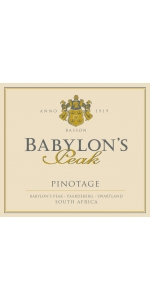
Babylons Peak Pinotage is made from 100 percent Pinotage.
Babylon's Peak winery, situated on the highest weathered granite slopes of the Paardeberg Mountain, is privately owned by the Basson family who has passed down the tradition, passion and art of winemaking over four generations. Predominantly low-yield dryland bushvines are selected to produce these excellent wines with distinctive character.
Dark red color, with ripe plums and mocha on the nose. Dark fruit followed by spice on the palate. A well balanced wine with smooth integrated tannins.
The Pinotage is dryland bushvines, planted on the highest south-east facing granite slopes on the farm. Due to its unique terroir, this vineyard ripens slowly over a very long period. This results in very dark color, soft tannins and good flavor compounds. The baboons normally harvest their quantity first and we pick the rest.
The grapes were harvested by hand at 25,6°B.and destalked only. No crushing was done. Cold maceration was done before fermentation started in open fermenters. The grapes fermented between 24-26°C for 5-7 days, after which the wine was taken to barrels where it went through malolactic fermentation. After malolactic fermentation was completed, the wine spent 12 months in 225 liter French oak barrels until bottling.
Pairs with lamb, bobotie and braaied red meat.
Babylons Peak Pinotage is made from 100 percent Pinotage.
Babylon's Peak winery, situated on the highest weathered granite slopes of the Paardeberg Mountain, is privately owned by the Basson family who has passed down the tradition, passion and art of winemaking over four generations. Predominantly low-yield dryland bushvines are selected to produce these excellent wines with distinctive character.
Dark red color, with ripe plums and mocha on the nose. Dark fruit followed by spice on the palate. A well balanced wine with smooth integrated tannins.
The Pinotage is dryland bushvines, planted on the highest south-east facing granite slopes on the farm. Due to its unique terroir, this vineyard ripens slowly over a very long period. This results in very dark color, soft tannins and good flavor compounds. The baboons normally harvest their quantity first and we pick the rest.
The grapes were harvested by hand at 25,6°B.and destalked only. No crushing was done. Cold maceration was done before fermentation started in open fermenters. The grapes fermented between 24-26°C for 5-7 days, after which the wine was taken to barrels where it went through malolactic fermentation. After malolactic fermentation was completed, the wine spent 12 months in 225 liter French oak barrels until bottling.
Pairs with lamb, bobotie and braaied red meat.
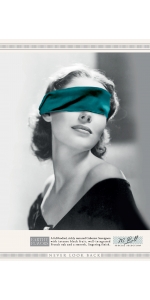
Never Look Back Cabernet Sauvignon is made from 100 percent Cabernet Sauvignon.
A full-bodied, richly textured Cabernet Sauvignon with intense black fruit, well-integrated French oak and a smooth, lingering finish.
One glass of this rich, lush Cabernet Sauvignon and you’ll never look back!
Try this with prime rib, roasted lamb or grilled mushrooms.
-150x300.jpg "Never Look Back Sauvignon Blanc 2025")
Riebeek Cellars Never Look Back Sauvignon Blanc is 100% Sauvignon Blanc.
Delicate green flavors with hints of tropical fruit on a crisp, dry finish.
Pairs with seafood, asparagus abd risotto.
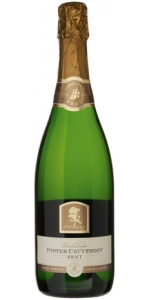
Dry but fruity with a complex nose of tropical fruit and enhancing biscuit flavours. Crisp acid ensures a fresh, clean and verydrinkable sparkling wine.
Serving suggestion: Well chilled to make any occasion festive.
THE LEGEND
Dispatched by Jan van Riebeek in search of the perfect place to grow provisions for the Dutch East India Company, Pieter Cruythoff stumbled upon a beautiful valley. But it was more than just the scenic beauty of this valley that had caught his eye; situated in the lee of the majestic Kasteelberg, the winters were mild, the summers were hot and the soil was uncommonly fertile. What's more, ships spotted from the lookout point on Kasteelberg were just a day away from Cape Town, and so were the wagons that went to meet them, laden with the treasures of the Riebeek Valley.
TIMELESS JEWELS
While he humbly named the valley after his patron, Jan van Riebeek, we feel it is only fitting that our valley's most coveted treasure should carry the name of its founder. So, in honour of Pieter Cruythoff, this range of fine wine bears his name.
From the vibrant whites to the seductive reds, each one is a gem gently coaxed from the fertile soil of that same magical valley. Ironically, much of the valley's bounty still finds its way to Europe, and in particular to the Netherlands, the land of Cruythoff's birth.
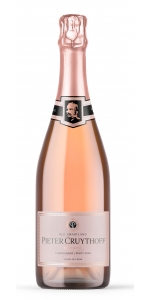
While Pieter Cuythoff humbly named the valley after his patron, Jan van Riebeeck, Riebeek Cellars feels it is only fitting that this wine, which expresses the best of its valley, should carry the name of its founder. So, in honor of Mr. Cruythoff, this range of fine wine bears his name.
Bright red berry notes and a hint of spice is balanced by a luxurious texture & an elegant, lingering, dry finish.
The Chardonnay & Pinot Noir grapes are crushed together. To ensure an array of layered fruit flavors and to capture freshness, we use only free run juice from the crushed grapes. The juice is cold fermented with selected Champagne yeast, blend with a touch of ‘spicy’ Shiraz and then left on the gross lees for 6 months where it undergoes malolactic fermentation and develops the distinct sparkling wine flavors. After the wine is stabilized and filtered it is bottled with CO2 for a Charmat style sparkling wine.
Perfect with a variety of dishes including rich chocolate desserts.
THE LEGEND
Dispatched by Jan van Riebeek in search of the perfect place to grow provisions for the Dutch East India Company, Pieter Cruythoff stumbled upon a beautiful valley. But it was more than just the scenic beauty of this valley that had caught his eye; situated in the lee of the majestic Kasteelberg, the winters were mild, the summers were hot and the soil was uncommonly fertile. What's more, ships spotted from the lookout point on Kasteelberg were just a day away from Cape Town, and so were the wagons that went to meet them, laden with the treasures of the Riebeek Valley.
TIMELESS JEWELS
While he humbly named the valley after his patron, Jan van Riebeek, we feel it is only fitting that our valley's most coveted treasure should carry the name of its founder. So, in honour of Pieter Cruythoff, this range of fine wine bears his name.
From the vibrant whites to the seductive reds, each one is a gem gently coaxed from the fertile soil of that same magical valley. Ironically, much of the valley's bounty still finds its way to Europe, and in particular to the Netherlands, the land of Cruythoff's birth.
Turley Kirschenmann Vineyard Zinfandel is made from 100 percent Zinfandel.
Organically farmed, own-rooted, head-trained and dry-farmed vines planted in 1915 in the silica-rich sandy soils of the east side of the Mokelumne River AVA. Marking the 10th vintage of this wine, bright ripe red fruits, raspberry preserves, and white pepper burst forth from the glass. Precise on the palate like a perfectly seasoned piece of meat, with more red berries and a sumptuously complex texture.
Review:
The 2023 Zinfandel Kirschenmann Vineyard is one of the best wines I have tasted from this site, as it has more textural depth and resonance than is typically the case. As always, the Kirschenmann Zinfandel is aromatic and lifted. In 2023, it is a bit more complex and nuanced than it often is. Bright red-toned fruit and floral overtones linger. This is such a pretty wine.
Vinous 92-94 Points
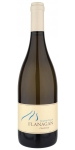
Just south of the winery, Bacigalupi Vineyard straddles Westside Road in the upper reach of Russian River Valley. The 125 acre vineyard encompasses a range of terroir, from heavier valley floor soil along the Russian River to alluvial clay loam on the rolling hillsides. The fruit is sourced from a superb block of 25 year-old Wente Clone vines located on the western slope of the site. Bacigalupi was the source of the Chateau Montelena Chardonnay that, famously, beat the French wines at the "Judgement of Paris" in 1976.
Bacigalupi Chardonnay has a nose of lemon zest and vanilla bean. The palate opens with red pear and Meyer lemon, and brioche toast and honey comb notes on the finish. Like well-made Chardonnay from great vineyards around the world this wine benefits from getting some air, will age for years, and is best when served chilled around 50 degrees. This wine will evolve in the bottle for many years to come. A terrific wine from one of Sonoma County's top sites for Chardonnay.



